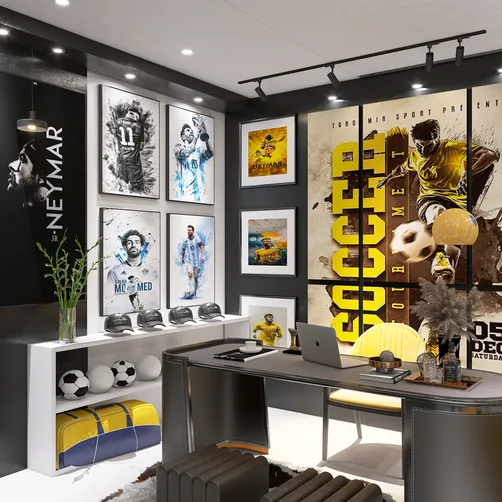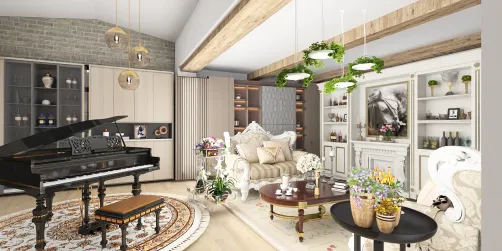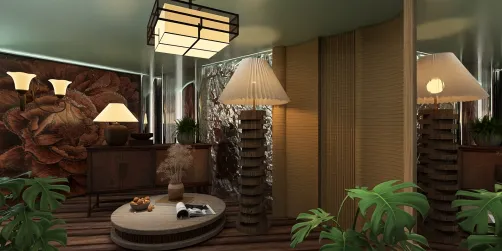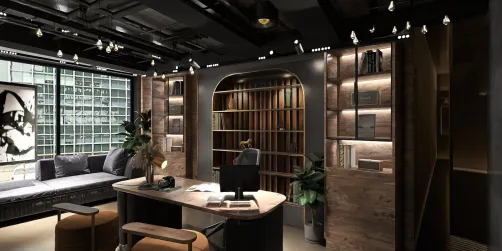
Creating a 3D representation of the Tianjin Binhai Library can be an exciting and imaginative endeavor, showcasing its remarkable architectural features and interior design. This modern library serves as an inspiring template for designers and modelers. In this guide, we will detail the essential steps needed to build an accurate and visually striking model of this innovative library using tools like Homestyler.
Comprehending the Structure
The first step to effectively model the Tianjin Binhai Library in 3D involves understanding its structural components. Crafted by the Dutch architectural firm MVRDV, the library is celebrated for its unique design, which includes a spherical auditorium and flowing bookshelves. Conduct in-depth research by exploring architectural images, blueprints, and, if possible, visiting the library in person to gain valuable insights into its dimensions and spatial layout.
Make detailed observations of the library’s signature features, particularly the innovative arrangement of bookshelves and the seamless flow of interior spaces. This careful attention to detail will ensure that your model is not only aesthetically pleasing but also authentic and true to the original design.
Selecting the Appropriate Software
Choosing the right software for your modeling project is essential. Popular choices include SketchUp, Blender, and AutoCAD, each tailored for different modeling needs, ranging from basic shapes to complex structures. For those just starting out, SketchUp is particularly user-friendly, while Blender is excellent for achieving intricate textures and high-quality renderings. Additionally, options like Homestyler can provide an accessible platform for beginners.
Once you have selected your modeling software, take some time to get acquainted with its functionalities to ensure a fluid modeling experience. Numerous online tutorials are available to help you become proficient with your software of choice.
Building the 3D Model
Start the modeling process by defining the base structure of the library, beginning with the ground floor layout and ensuring that the dimensions accurately reflect those of the actual building. Gradually add layers to your model, crafting features such as the rounded facade and the positioning of the windows as you work your way up.
After establishing the main structure, shift your attention to the interior components, which include bookshelves and seating layouts. Use high-quality textures to replicate the materials found in the actual library effectively. Lighting is another critical aspect; be sure to incorporate natural light sources that enhance the ambiance of your library model.
Rendering and Showcasing Your Model
Once your model is complete, think about rendering it to infuse realism with appropriate lighting and textures. Most 3D modeling software comes equipped with powerful rendering options, so make the most of them to effectively present your model. Experiment with various lighting setups to find the most flattering configuration for your design.
Finally, present your model through multiple methods such as 3D printing, virtual reality experiences, or static renderings. Each presentation technique has its own unique advantages and can help expose your project to a wider audience.
Frequently Asked Questions
Q: What software is best suited for beginners looking to create 3D models? A: Software such as SketchUp and Homestyler is highly recommended for beginners due to their user-friendly interfaces and straightforward functionalities.
Q: Are there adequate resources to help learn 3D modeling? A: Absolutely! There are a wide variety of online courses and tutorials available to assist learners in mastering different 3D modeling software.
Homestyler is your go-to online platform for home design! Its user-friendly design tool allows you to create stunning layouts effortlessly. Explore a vast array of 3D renderings and engaging video tutorials to inspire your projects. Transform your home ideas into reality today!