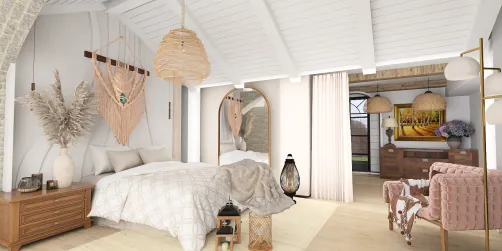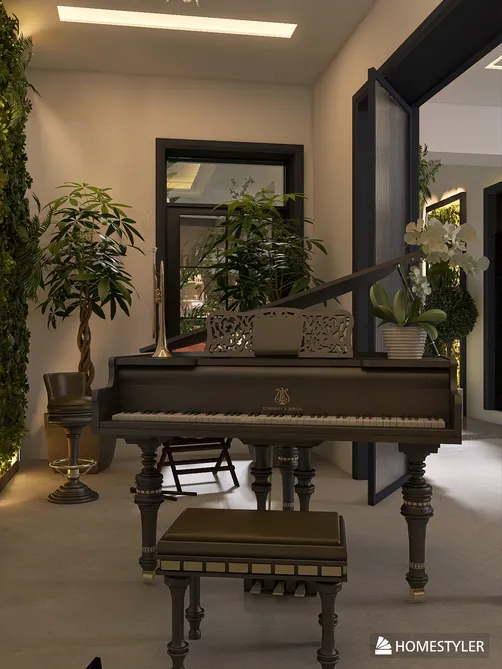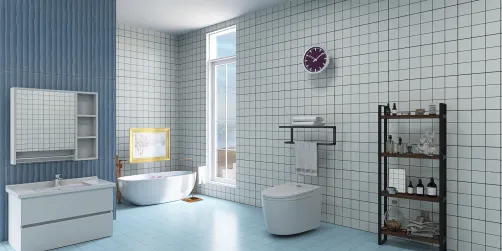
Developing 3D models for VR Chat is an exhilarating approach to crafting custom avatars, distinctive worlds, and interactive elements within virtual reality. For creators eager to establish their digital footprint on VR Chat, grasping the essentials of 3D modeling is crucial. This includes understanding compatible file formats, optimization strategies, and the influence of design decisions on user experience. Common tools for this endeavor involve Blender, Unity, and a variety of asset libraries. Typically, the workflow consists of modeling your avatar or object, applying textures, rigging for animation (if applicable), and importing it into Unity using the VRChat SDK, while ensuring all elements adhere to VR Chat's performance standards. Prioritizing polygon count optimization, efficient UV mapping, and following best practices for lighting and shaders is vital for ensuring that your models function seamlessly across numerous devices.
Guideline 1:
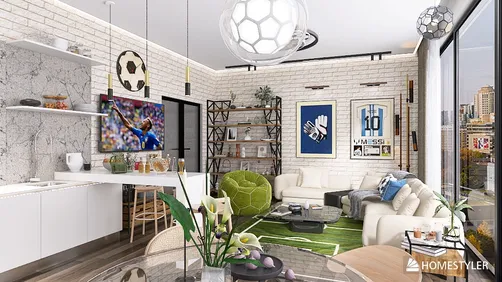
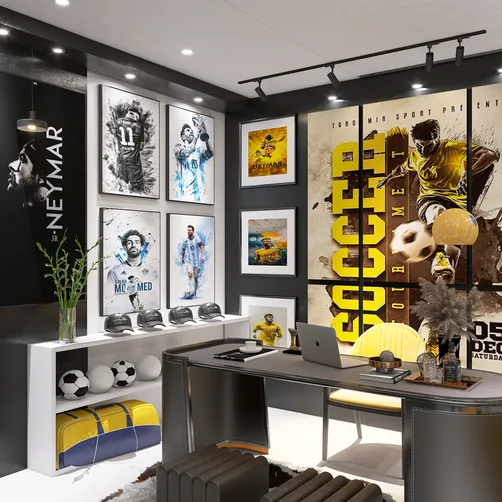
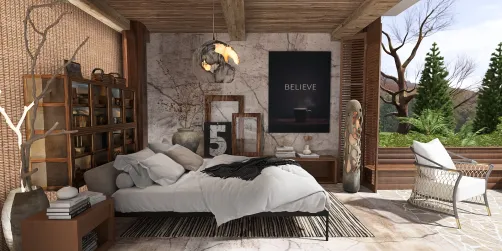
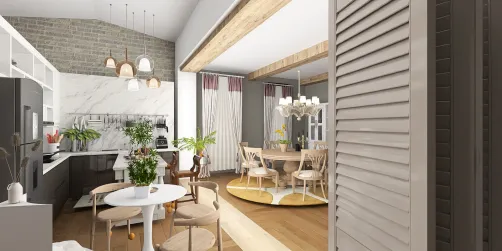
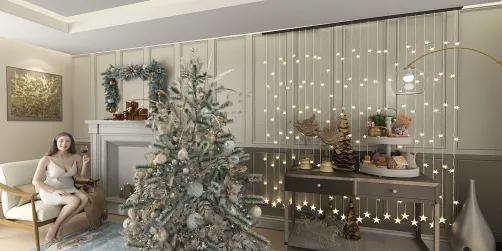
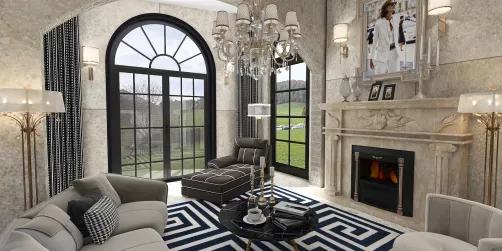
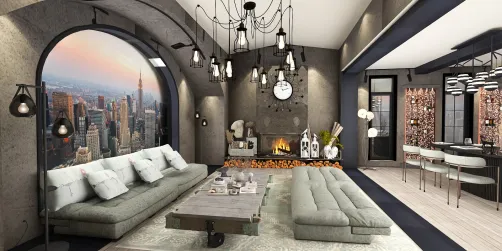
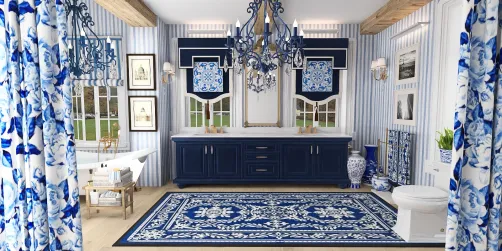
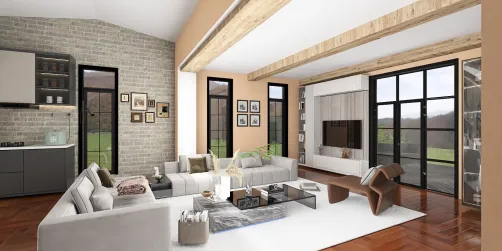
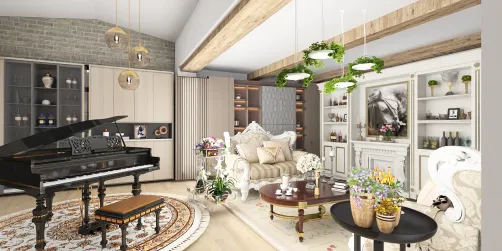
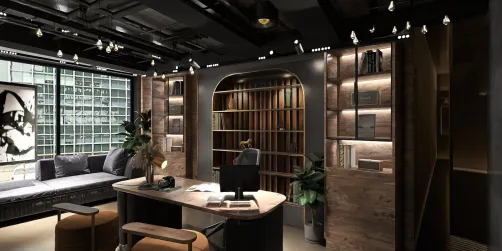
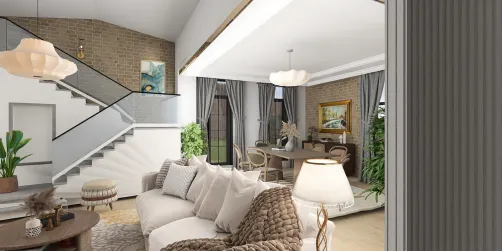
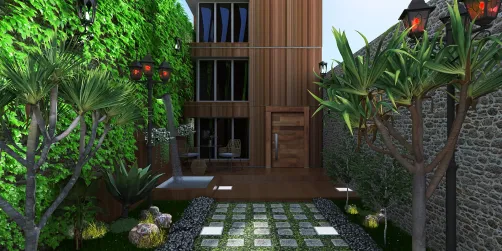
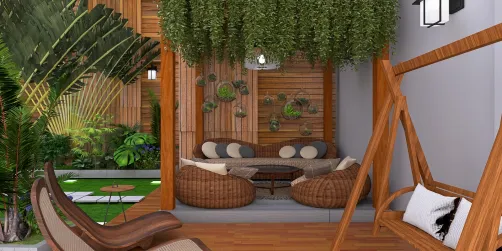
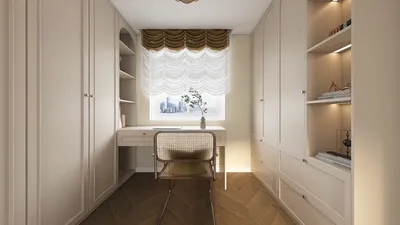
As an interior designer, I’ve observed that successful 3D modeling transcends technical capabilities—it's about crafting environments that evoke comfort and visual harmony. Whether working on a virtual living room or a full environment for VR Chat, integrating foundational principles of spatial design, color theory, and lighting can significantly enhance the immersive quality of your world. For those seeking to optimize their workflow, innovative solutions like a 3D floor planner can accelerate layout design, maintaining both aesthetic appeal and functionality in virtual settings while utilizing tools like Homestyler for design inspiration.
Questions & Answers
Q: Which software is most effective for producing 3D models intended for VR Chat?
A: Blender is a popular choice for modeling, and Unity, combined with the VRChat SDK, is crucial for importing and setting up models in VR Chat.
Q: What file formats are supported by VR Chat for 3D models?
A: The predominant file format that VR Chat accepts for 3D models imported via Unity is FBX.
Q: What strategies can I use to enhance the performance of my 3D models for VR Chat?
A: To ensure smooth performance, keep the polygon count low, utilize optimized textures, and reduce the complexity of materials and shaders.
Q: Is rigging necessary for my avatar models in VR Chat?
A: If you want your avatar to exhibit movement or animations, it is essential to rig the model (establish a bone structure) using Blender or similar tools.
Q: How does knowledge of interior design enhance 3D modeling for VR Chat?
A: Employing principles of interior design contributes to the creation of immersive environments that feel cohesive and engaging inside virtual platforms.
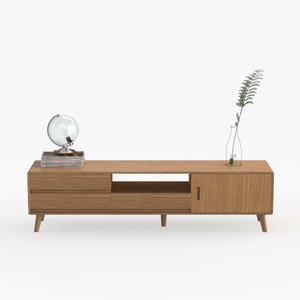
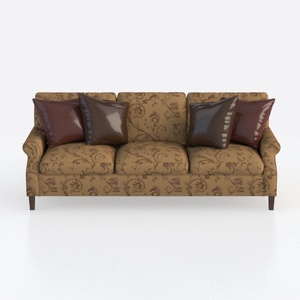
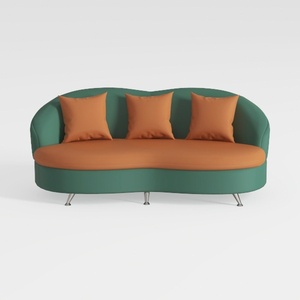

Discover the joy of home design with Homestyler! This user-friendly platform offers an intuitive online design tool, stunning 3D renderings, and a wealth of design projects and video tutorials. Perfect for anyone looking to transform their space effortlessly, whether you're a beginner or a seasoned pro!