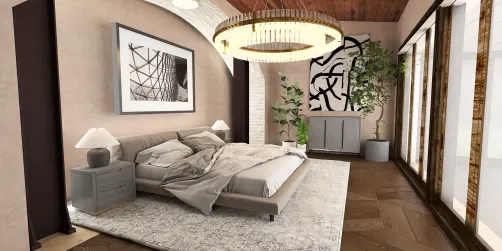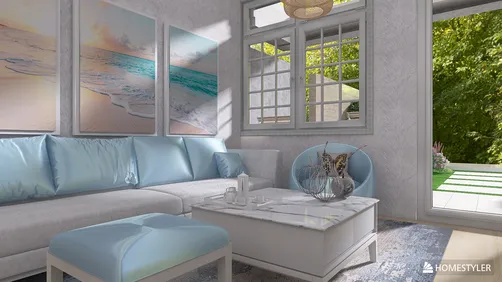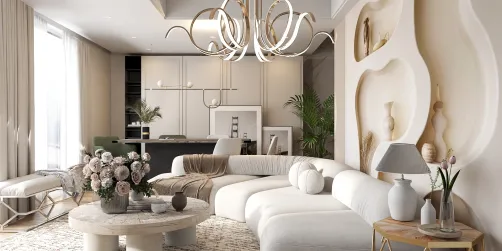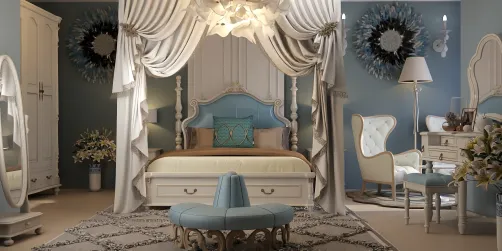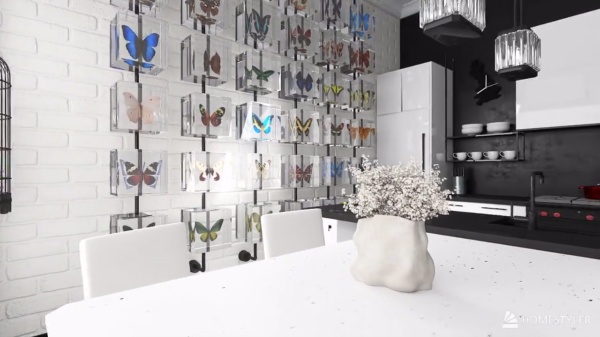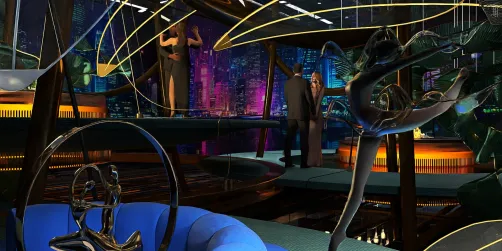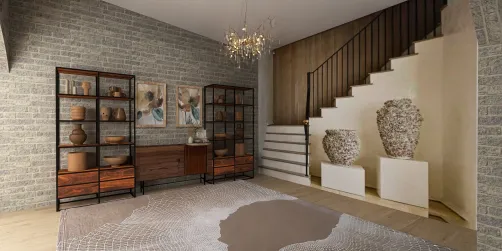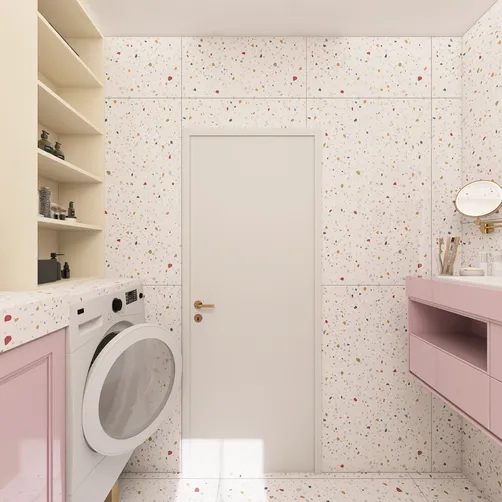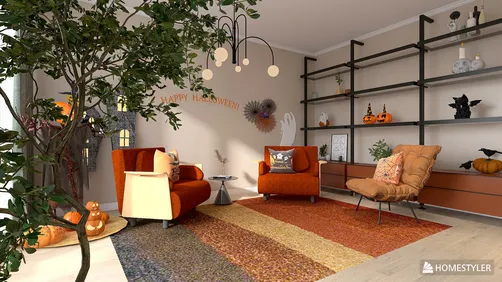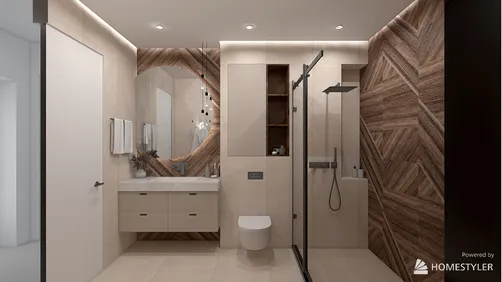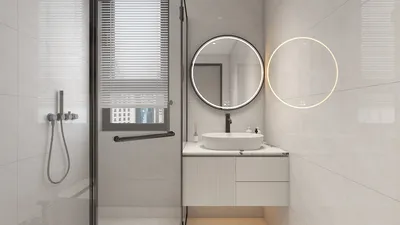
In the realm of design and spatial representation, understanding the distinction between 2D and 3D figures is crucial for any designer, architect, or artist. Two-dimensional figures, such as circles, squares, and triangles, are defined by only two dimensions: length and width. In contrast, three-dimensional figures, including cubes, spheres, and pyramids, incorporate a third dimension: depth. This addition allows them to occupy space and possess volume, making them more realistic and applicable in fields like interior design, architecture, and animation. In design practice, 2D figures often serve as the basis for creating plans, sketches, and graphics. These flat representations are ideal for visualizing initial concepts and making visual presentations. However, as projects progress, converting these ideas into 3D models becomes essential. This is where the power of technology shines. Nowadays, numerous software solutions facilitate designers in easily crafting 3D representations of their ideas. Tools like Homestyler not only enable users to create and visualize 3D models but also offer an extensive library of furniture and accessories, simplifying the development of unique and personalized interior spaces. With the ability to render high-quality images, designers can present their ideas impressively and professionally. Additionally, 3D figures are pivotal in education and entertainment. From video games to educational simulations, three-dimensional representation is key to crafting immersive experiences that engage users. Furthermore, in the field of 3D printing, three-dimensional figures come to life, allowing individuals to bring their designs and concepts into the physical world. As technological advancements continue to reshape the design landscape, it is vital for designers to remain updated with the latest tools and techniques. The combination of 2D and 3D figures not only enhances the design process but also provides innovative solutions to modern challenges in space creation. In summary, both 2D and 3D figures are essential in the design and architecture sectors. Each has its distinct set of applications and benefits, and the ability to use them together can significantly improve the quality and effectiveness of any design project. Whether you are crafting a simple floor plan or a complex 3D environment, understanding and utilizing both dimensions is key to achieving design success. For those eager to dive into the exciting world of interior design and experiment with 2D and 3D figures, tools like Homestyler provide everything you need to get started. So feel free to explore these possibilities and bring your creative ideas to life.
Tip 1:
Practice combining both dimensions in your projects for a more comprehensive and appealing outcome.
FAQ
welcome to Homestyler