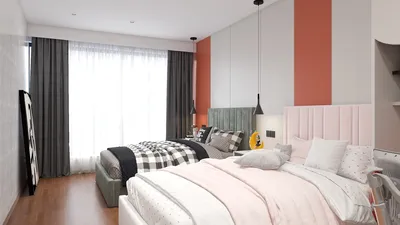


I view corners as opportunities to enhance interiors by softening shadows, improving sightlines, and adding rhythm to the overall design. Dimly lit corners can make a space feel constricted and less inviting; however, when properly illuminated, these areas promote intuitive movement and create complete seating arrangements. Here are some strategies for corner lighting that I implement to foster depth and comfort while minimizing glare and clutter, utilizing the power of the Homestyler tool.
Fundamentals of Corner Lighting
Effective corner lighting begins with choosing the appropriate illuminance and color temperature. In living areas, an ambient light level of 150–300 lux is generally comfortable, while spaces dedicated to reading or work require around 300–500 lux for better clarity, in accordance with IES standards. I opt for warm-to-neutral white lighting (2700–3500K) in living rooms and bedrooms, adjusting to a slightly cooler tone (3500–4000K) near workspaces to maintain alertness while still being soothing. WELL v2 standards highlight that glare reduction and visual comfort are crucial for enhancing occupants' well-being, meaning shielding bright sources and ensuring luminance is well distributed are vital for reducing eye strain and allowing for prolonged use.
Layered Lighting in Corners
Corners significantly benefit from a layered lighting approach: ambient light fills the area, task lighting serves specific functions, and accent lighting adds visual appeal. For example, in a lounge corner, a slim uplight can cast a gentle wash across the ceiling, while a versatile swing-arm floor lamp provides focused reading light, complemented by a small wall fixture that emphasizes texture. This method prevents the common error of relying on a single strong light source, which can create harsh contrasts.
Floor Lamps: The Versatile Corner Solution
In compact spaces, a vertical floor lamp serves as an excellent solution. I favor uplight and downlight combos with dimming capabilities, delivering 800–1200 lumens for ambient use and an extra 400–800 lumens for reading purposes. Position the lamp slightly forward (6–12 inches) from the corner to soften shadows behind it, and opt for shades that diffuse light effectively for optimal brightness control. A pivoting head allows for precise targeting towards sitting areas without overwhelming the rest of the room.
Corner Uplights and Torchieres
Uplights provide a beautiful ceiling glow that visually expands a room. They are notably beneficial in spaces featuring textured ceilings or crown moldings. I typically use lighting ranging from 2700–3000K for cozy corners and 3000–3500K in multipurpose areas. Proper shielding is essential: using a louvered or opaque top prevents direct visibility of the LED light source, thus minimizing glare—this is in line with IES glare reduction guidelines.
Wall Sconces: Flanking and Floating
When floor space is limited, sconces emerge as my lighting choice. I install paired fixtures on adjacent walls at a height of 60–66 inches from the centerline, tweaking as needed for ceiling height and seating arrangement. Up/down sconces can lift corners visually without encroaching on headroom or walking paths. Employing dimmers and ensuring a high CRI (90+) preserves the integrity of wood tones and artwork.
Corner Shelving with Built-in Lighting
Integrating storage with lighting addresses two challenges simultaneously. Using LED strips beneath shelves or within alcoves creates a soft vertical gradient that draws attention toward the corner. For intimate display areas, 2700K works best, while 3000–3500K is ideal for frequently interacted objects like books. Keep the strips at least an inch set back from the shelf's edge, using diffusers to avoid hotspots or glare.
Accent Grazers for Textural Enhancement
If your corner features materials like brick or a fluted panel, a narrow-beam wall grazer can beautifully highlight these textures. Installing the linear fixture 4–12 inches from the surface, and angling it at 10–30° can create dynamic shadow play, enriching the aesthetic while reducing the need for additional furnishings. Sticking to a warm light temperature around 3000K ensures a natural appearance.
Understanding Color Psychology and Corner Atmosphere
Color and illumination have a symbiotic relationship. Warm light (approximately 2700K) tends to evoke feelings of calm and comfort, while neutral white light encourages focus—aligning with established color psychology principles. Combining warm lighting with rich accent colors in corners can create a sense of sanctuary; conversely, using neutral light alongside lighter wall colors can help smaller rooms feel more open and expansive.
Reading Areas and Task Corners
For a reading nook, aim for lighting levels of 300–500 lux at the reading material. A floor lamp featuring a shaded head combined with an articulating arm will keep the light directed away from others' eyes. If your corner is designated for crafts, consider adding a second task light with a high CRI for true color representation. Matte finishes on adjacent surfaces also help in minimizing unwanted reflections.
Corner Pendants and Compact Chandeliers
In rooms with higher ceilings, a small pendant hanging low over side tables can effectively anchor the corner. Position it 28–34 inches above the tabletop and integrate a glare-control diffuser. Additionally, a cluster of small chandeliers can add a playful touch without overwhelming the decor; utilizing dimmable drivers is key for adjusting the mood throughout the day.
Smart Controls and Circadian Lighting
Utilizing smart dimmers and tunable white lighting allows for seamless transition from warm evening vibes to cooler daytime clarity in corners. Gradual adjustments (15–30 minute fades) enable the eyes to adapt comfortably. Combining uplights with sconces ensures that there are no dark spots during transitional phases.
Acoustic and Lighting Harmony
In bustling rooms, corners accumulate echoes. Equipping felt-wrapped sconces, fabric lampshades, or acoustic panels with integrated lighting can help reduce reverberation, while enhancing brightness at room edges. Ensure the balance of fixtures makes the corner feel cohesive as opposed to an isolated acoustic area.
Material Choices and Sustainability
Select LED solutions with replaceable drivers and lengthy lifespan ratings (around 50,000 hours L70). Pairing recycled aluminum fixtures with FSC-certified wood accents and low-VOC paints creates a harmonious and eco-friendly corner design. Choose diffusers made of PMMA or glass to prevent yellowing; avoid bare strips that can deteriorate in appearance and contribute to glare.
Expert Tips for Compact Living Spaces
In small living areas, a strategically placed uplight combined with a slim wall sconce can effectively brighten a dark corner. If the room doubles as an office, consider adding a tunable task lamp to ensure clarity. To visualize brightness distribution prior to installation, an interior design visualization tool can help gauge how corner lights will influence seating and movement.
Using the Homestyler tool, visualize the layout before implementing your corner designs for optimal results.
Placement Strategies and Ratios
It's crucial to think in terms of ratios: corners should ideally provide 60–80% of the room's average luminance, ensuring a connected yet balanced feel without overpowering focal points. Ensure fixture heads are positioned below eye level when seated to reduce direct visibility; for heads at higher elevations, incorporate shielding or indirect optics. Aim for a balanced mix of vertical and horizontal illumination to avoid the unappealing ‘bright floor, dark wall’ effect.
Research and Expert Authority for Enhanced Results
The comfort of lighting is heavily influenced by glare reduction, color fidelity, and appropriate illuminance—these are core themes strongly backed by IES guidelines and WELL v2’s Light concept. Implementing their insights into corner lighting strategies leads to spaces that feel brighter and more inviting over time.
Frequently Asked Questions
Target ambient levels of 150–300 lux in corners, with task lighting adjusting local levels to 300–500 lux as needed to keep the space engaging without overshadowing focal areas.
For warmth and relaxation, use lights in the 2700–3000K range. If the corner has mixed functions, 3000–3500K is versatile while remaining comfortable.
Opt for lamps with diffused shades, positioning them 6–12 inches from the corner while avoiding direct sightlines to the LED source. Dimmers allow for adapting brightness in correspondence with the time of day.
Yes, up/down sconces can visually elevate corners without consuming valuable floor space. Position them around 60–66 inches from the centerline, adjusting as necessary for ceiling height.
Certainly! Uplights that wash the ceiling and grazers designed for vertical texture both create an illusion of more space and direct the gaze outward.
A CRI of 90+ ensures accurate color rendition and enhances wood grain visibility. Pair it with warm-to-neutral CCT for a natural appearance.
Dynamic scenes and tunable white lighting facilitate transitions from evening ambiance to daytime clarity. Gentle fades (15–30 minutes) maintain comfort and mitigate abrupt changes.
Look for LED options boasting 50,000 hours L70 ratings, replaceable drivers, recycled materials, and low-VOC finishes. Incorporating diffusers can prevent hotspots and extend the visual appeal.
Provide lighting of 300–500 lux directly on reading materials using an articulating lamp. Maintain shielding around light sources and opt for matte finishes nearby to reduce reflections.
Hang a light fixture centered above a side table, keeping it 28–34 inches above the table’s surface. Utilize a diffuser and dimmer to harmonize brightness with surrounding overall ambient light.
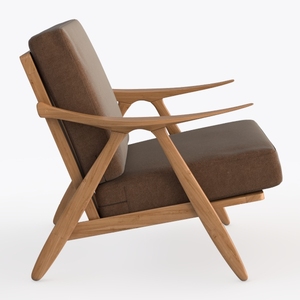
Lexicon Mid Century Modern Accent Chair, Faux
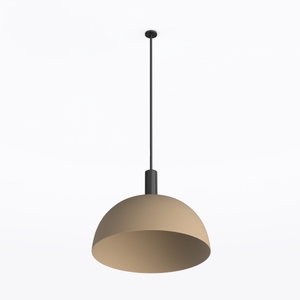
Mid Century Pendant Lighting,18.8 inch,2 Tiers,Raw
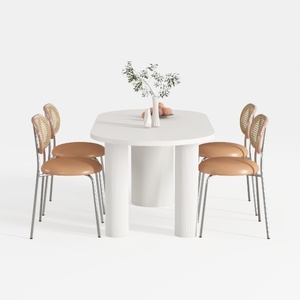
DUOMAY Modern Boucle Dining Chairs Set of 2,
Homestyler is your go-to home design platform! With its user-friendly online design tool, stunning 3D renderings, and a wealth of DIY video tutorials, you can effortlessly create and visualize your dream spaces, regardless of your experience level. Start designing today!
Diseño ahora GRATIS
































