Bathroom lighting involves two crucial elements: lumens and focal points. Lumens indicate the brightness emitted by a bulb, while focal points highlight specific areas intended for illumination. Understanding these elements is essential for achieving effective lighting in your bathroom space.
Having a solid grasp of lumens and focal points will enable you to craft the ideal lighting environment for your bathroom, whether your goal is to establish a soothing spa-like vibe or a bright, functional area.
Selecting Optimal Lumens
To begin designing your bathroom's lighting, the first consideration is selecting the appropriate amount of lumens for your area. These units measure brightness, with higher lumens providing greater illumination. The lumens required will vary based on your bathroom’s size and your individual taste.
For instance, a compact bathroom may only need about 500-600 lumens, while a spacious one could necessitate up to 1500 lumens. It's crucial to also think about the type of lighting used; a strong overhead fixture might need fewer lumens than a softer, more diffused lighting solution.
Establishing Focal Points
After determining the ideal lumens for your bathroom, the next step is to establish focal points. These are areas where you want the light to be concentrated, such as your vanity, shower, or bathtub.
Task lighting, such as vanity or shower lights, can effectively create focal points by directing bright, targeted illumination to specific areas where it is most needed.
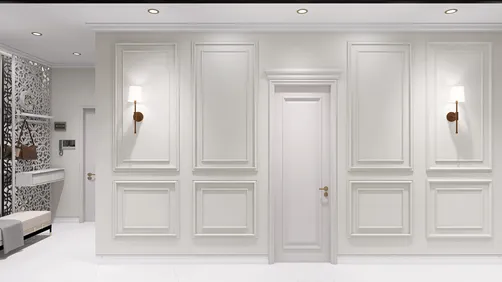
Alternatively, incorporating accent lighting, including wall sconces or recessed lights, can enhance the ambiance and mood while still providing adequate illumination for daily activities.
The Significance of Balance
While lumens and focal points are vital components of your bathroom lighting strategy, achieving a harmonious balance between them is equally crucial. An excess of lumens without sufficient focal points can lead to a harsh atmosphere, whereas too many focal points with inadequate lumens might render the space dim and constricted.
To strike a balance, consider layering your lighting by employing a mix of overhead, task, and accent lighting. This combination will help you create a well-lit, warm space. Additionally, experimenting with various bulb types, such as warm or cool hues, can assist you in finding the perfect lighting blend for your bathroom.
Conclusion
Achieving the ideal bathroom lighting is a meticulous process that requires a careful equilibrium of lumens and focal points. By selecting the appropriate lumens and identifying essential focal areas, you can transform your bathroom into a bright and welcoming retreat that fulfills all your lighting needs. Consider utilizing tools like Homestyler to visualize your design changes effectively.