


When it comes to managing air quality in compact spaces, I treat it like a layered design challenge that incorporates airflow, surface materials, odor sources, and optimal refresh cycles. Utilizing Febreze Air Freshener Refills for Small Spaces provides continuous and subtle odor neutralization, making them an excellent choice for areas with limited ventilation, such as powder rooms, entry closets, laundry corners, and small offices. In these smaller volumes, odors can become concentrated quickly; thus, maintaining a steady neutralizing baseline becomes essential to avoid overwhelming scents that may irritate users.
Effective ventilation is crucial. In spaces with limited airflow, the concentration of pollutants can be significantly higher than outdoors, as highlighted by U.S. EPA studies on indoor air quality. Gensler's workplace findings indicate that perceived air quality is a major factor in occupant comfort and productivity, particularly in small breakout areas, where a consistent subtle freshness is preferred over sporadic stronger bursts. By combining a regular refill with light ventilation and routine odor source management—such as keeping laundry bins closed, airing shoes, and cleaning pet zones—you can create an air profile that feels fresh and clean without overpowering fragrances.
Comfort guidelines support this viewpoint, with WELL v2's Air concept emphasizing the need for effective source removal and adequate filtration prior to any sensory enhancements. Research from Steelcase has shown that olfactory distractions can diminish cognitive endurance in smaller rooms. When selecting fragrances, I consider color psychology; according to Verywell Mind, scents associated with crisp and cool qualities typically create a perception of cleanliness. For small spaces, I recommend opting for lighter fragrances (like linen, citrus, or fresh greens) and reserving richer scents (such as floral or woody) for areas with better airflow.
Neutralization Versus Masking: Achieving the Right Balance
When it comes to small-space air refills, focusing on odor neutralization is more beneficial than simply masking scents. It's advisable to utilize a technology that effectively binds or transforms odor molecules while emitting a delicate scent trail. If you've encountered issues with scent buildup, consider alternating between two subtle fragrances each season to minimize olfactory fatigue. Additionally, positioning the unit away from direct nose level—placing it on eye-level shelves or in low open cubbies—is preferable. I suggest replacing refills approximately every 30 to 45 days for most compact rooms to maintain effectiveness without losing intensity.
Strategizing Placement for Compact Areas
Placement plays a crucial role. Ensure refills are positioned away from direct HVAC currents to foster even scent diffusion. In powder rooms, place the unit around 3 to 5 feet from the toilet, ideally near the sink to intercept foot traffic. For closets, situate the refills just inside the door at a mid-height, ensuring textiles aren't near to trap scents. In smaller office settings, position devices behind sightlines to lessen perceived scent intensity. If you're considering reworking a confined layout, employing a room layout tool like Homestyler can assist in visualizing airflow, circulation patterns, and freshener reach regarding doors and vents.
Light Conditions and Perception of Scent
The lighting environment significantly impacts our perception of freshness. In warmer lighting (2700-3000K), scents with heavier notes tend to feel richer, while crisp fragrances appear cleaner under neutral-bright task lighting (3500-4000K). To avoid overstating scent intensity due to glare, minimize reflective sources near the unit. I follow IES recommendations for compact bathrooms (usually around 20-50 foot-candles ambient) and include adjustable dimmable vanity lighting to ensure that subtle scent adjustments are not misperceived as overpowering.
Influence of Behavior and Routine
Effectively controlling odors hinges largely on daily habits. Ensure small trash bins are emptied every 24 to 48 hours, keep doors ajar for a few minutes after showers, and utilize covered containers for pet food or litter. While a refill maintains the baseline scent, routines are what sustain it. In small kitchens or coffee areas, regularly clean splash zones with a neutral cleaner and avoid allowing aromatic residues to settle into porous surfaces.
Acoustic Factors and Scent Sensitivity
In quieter rooms, scents tend to become more noticeable. Adding sound-absorbing elements like a soft acoustic rug or felt pinboard in small offices can subtly diminish the focus on scents, balancing the overall experience, particularly for sensitive occupants. This approach should complement, rather than replace, effective odor control strategies.
Considerations for Materials and Sustainability
Certain porous materials, including untreated wood, felt, and heavy fabrics, can retain odors. Lining closet shelves with washable, low-VOC materials, and choosing finishes that are easy to clean in powder rooms is beneficial. If sustainability is a concern, opt for refill formats that reduce plastic usage and recycle components wherever possible. Position refills away from direct sunlight or heat to maintain scent release consistency and prolong their lifespan.
Visual Balance and Spatial Ratios
In small areas, visual clutter can heighten scent intensity. Keep the refill looking unobtrusive—nestle it into shadow lines or choose a neutral-toned shelf. Aim for a balanced ratio of materials and colors (60/30/10 guideline: dominant neutral, soft secondary tone, minimal accent) to ensure scent feels like a gentle layer, rather than a focal point.
Freshness Trends for 2024-2025 in Small Spaces
There's a noticeable increase in low-profile, continuous scent systems featuring adjustable intensity levels, integrated with micro-ventilation solutions such as silent fans and activated carbon filters. Occupants are leaning towards mild, nature-inspired scents (like citrus zest, green tea, and marine fragrances), along with hybrid strategies that prioritize neutralization followed by the introduction of a subtle signature note.
Safety and Maintenance Checklist
Ensure that refills are replaced according to the schedule, and clean the unit with a dry cloth on a monthly basis. Keep out of the reach of children and pets, avoid direct contact with polished surfaces or untreated wood, and store extra refills in a sealed environment. If anyone in the area experiences sensitivity, increase the distance from the source and incorporate fresh air breaks into your routine.
Frequently Asked Questions
Typically, replace every 30-45 days in standard powder rooms or closets. Areas with higher traffic or humidity may require a replacement every 20-30 days to maintain a consistent level of freshness.
Opt for light, fresh profiles such as linen, citrus, or green scents. These options tend to feel more refreshing and are less likely to overwhelm smaller areas.
Position near the sink or opposite the toilet, but ensure it's not placed directly within HVAC airflow. Eye-level shelving is preferable for even scent distribution without concentration.
Air fresheners should complement existing ventilation measures and source control strategies. Follow WELL v2 Air concepts—addressing sources of odor first, then layering scents as needed.
Yes. Neutral-bright lighting can enhance the crispness of clean scents, while warmer light can amplify softer, cozier notes. Reducing glare is crucial to avoid sudden perceived intensity changes.
Select unscented or ultra-light profiles, position the unit further from seating areas, and encourage regular short air exchanges for improved air quality.
Keep storage units closed, rotate textiles, and clean porous shelves regularly. Adding a mild carbon filter in closets can also assist in trapping volatiles.
Combine a light refill with organized cables, soft acoustic elements, and a neutral color scheme. Using a layout planner like Homestyler can help optimize airflow and seating to prevent scent accumulation.
Use one unit per small space. If the scent intensity is insufficient, refine airflow or adjust its placement before deploying a second unit.
Rotate between two mild scents with the changing seasons and maintain a low-visual-clutter environment to prevent over-focusing on the scent source.
Built on technology originally developed at Autodesk, Homestyler empowers anyone to design beautiful, realistic spaces in minutes. Join over 18 million users who have already discovered a smarter way to plan, visualize, and bring their dream homes to life — all from the comfort of a browser.
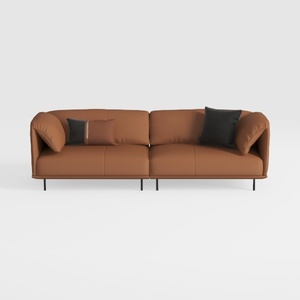

Modern Minimalist Brown Leather 3 Seater Sofa With Throw Pillows 3D Model
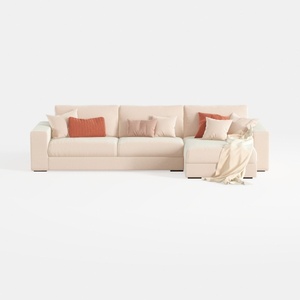
Minimalist Beige Fabric L Shaped Sectional Sofa 3D Model

Minimalist Tan Leather L-Shaped Sectional Sofa 3D Model
Looking to transform your space? Homestyler is an exceptional online home design platform that empowers you with an intuitive design tool, stunning 3D renderings, and a plethora of inspiring design projects and video tutorials. Bring your vision to life effortlessly with Homestyler!
Diseño ahora GRATIS
































