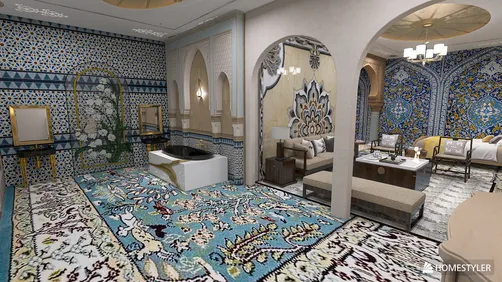
Arabic-style Living Room Design
The Arabic-style living room is a quintessential space where heritage meets modernity—blending intricate geometric motifs, rich color palettes (like emerald, tangerine, cobalt, and gold), and artisanal craftsmanship with clean lines, minimalist furniture silhouettes, and advanced material applications. It serves not only as a social hub but also as a cultural canvas: arched doorways, mosaic-tiled accents, hand-carved wood screens (mashrabiya), ornate lanterns, and layered textiles coexist harmoniously with open layouts, smart lighting integration, and ergonomic spatial planning. This scene embodies the UAE National Day spirit—celebrating centuries-old desert civilizations while embracing forward-looking interior space planning and digital design innovation.
Design Challenges & Common Pitfalls
Balancing authenticity with contemporary livability is the core challenge. Designers often overuse ornamental elements—leading to visual clutter—or under-interpret tradition, resulting in generic ‘Middle Eastern-inspired’ aesthetics lacking cultural resonance. Other frequent issues include poor scale coordination (e.g., oversized lanterns overwhelming compact spaces), mismatched material juxtapositions (e.g., glossy marble clashing with matte stucco), inadequate natural light integration (critical for highlighting texture and pattern), and neglecting human-centered functionality within highly stylized layouts. Achieving harmony between geometric complexity and spatial flow demands precise interior space planning and thoughtful Homestyler design techniques.
Principle 1: Layered Texture & Material Harmony 🌟
Prioritize tactile contrast and material storytelling: combine warm, natural finishes—hand-textured plaster (tadelakt), carved walnut, brass inlays, and woven wool rugs—with sleek, modern counterparts like matte black metal frames, frosted glass partitions, or polished concrete flooring. Avoid monotonous surfaces; instead, use texture to guide the eye and define zones without physical barriers—especially vital in open-plan Arabic living rooms. Use Homestyler’s material swap tool and real-time lighting preview to test how sunlight interacts with surface reflectivity and depth.

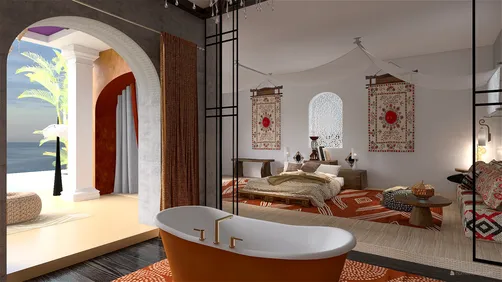
Designer Kristy Gouvea’s 'Morocco blue 1970 house USA' exemplifies layered material harmony: she pairs vibrant zellige tile accents with smooth white plaster walls, balances rustic wooden beams against minimalist built-in shelving, and grounds the composition with a plush, low-pile rug. Using Homestyler AI design tools, she iterated material combinations rapidly—testing over 12 plaster finish variants under simulated daylight (HDR: eilenriede_park) to ensure warmth and depth without glare—demonstrating how intelligent interior space planning supports both aesthetic integrity and daily usability.
Design Your Moroccan HavenPrinciple 2: Geometric Rhythm & Spatial Flow 📐
Integrate Islamic geometry—not as static decoration, but as an organizing principle for layout, ceiling design, flooring patterns, and even furniture arrangement. Use repeating star-and-polygon motifs to anchor zones (e.g., a 8-point star medallion beneath the seating area), align arches with circulation paths, and mirror symmetry across focal axes (e.g., fireplace ↔ niche wall). Avoid rigid repetition; instead, vary scale and density to create visual hierarchy and movement. Homestyler’s grid snapping, symmetry mode, and floorplan annotation tools enable precise geometric alignment—even in complex curved or multi-level Arabic living rooms.

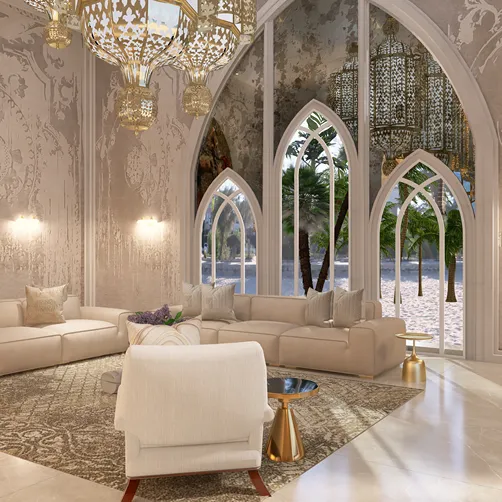
Cecilia Botha’s 'Arabic Luxurious Escape' masterfully applies geometric rhythm: the ceiling features a subtle octagonal coffered pattern that echoes the floor’s herringbone marble inset, while arched niches flank the central seating zone—creating axial balance and guiding movement toward the window wall. Leveraging Homestyler’s AI-powered layout optimizer, she tested 7 spatial configurations in under 90 seconds, selecting the one maximizing sightlines to both the garden view and the decorative fountain niche—proving how Homestyler design techniques elevate traditional motifs into functional, human-scaled interior space planning.
Start Your Luxe EscapePrinciple 3: Light as Cultural Medium ☀️
Treat light not just as illumination—but as a narrative device. Arabic interiors thrive on controlled, layered lighting: ambient (recessed + lantern-diffused), task (focused reading sconces), and accent (spotlights on mashrabiya screens or tilework). Prioritize natural light modulation via louvered screens or stained-glass transoms; simulate golden-hour glow with warm-toned artificial sources. Use Homestyler’s HDR environment library (e.g., g_tropical_beach, g_ljz_day) and dynamic sunlight slider to preview how light sculpts texture, reveals pattern gradation, and transforms mood across time of day—key for authentic, responsive interior space planning.

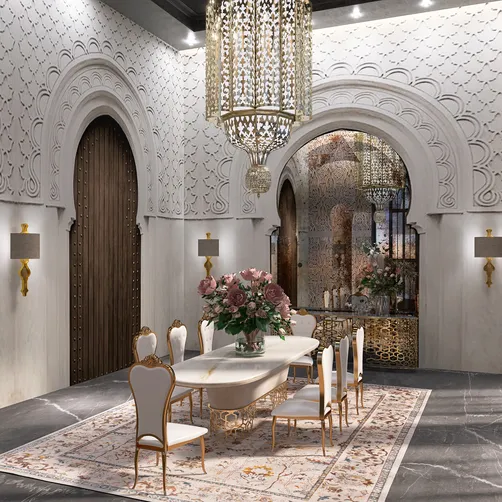
Vanessa Ribeiro’s 'Estilo Árabe: Um Refúgio de Elegância' uses light as cultural medium: she positioned a tiered brass lantern directly above a hand-painted ceramic tile centerpiece—creating a dynamic interplay of shadow and highlight that shifts throughout the day. In Homestyler, she used the g_ljz_day HDR setting with adjustable sun angle to validate that the lantern’s cast pattern aligned perfectly with the tile’s 12-point geometry at 4 PM—showcasing how Homestyler design techniques empower designers to embed meaning into light behavior, transforming technical interior space planning into poetic spatial storytelling.
FAQ
Q: Do I need professional architectural training to participate in the Arabic-style Space for Web challenge?
Not at all. The AIDA competition welcomes designers of all backgrounds—including students, hobbyists, and AI-first creators. Homestyler’s intuitive drag-and-drop interface, AI-assisted furnishing suggestions, and real-time rendering make professional-grade Arabic interior space planning accessible without CAD expertise.
Q: Can I submit designs created using Homestyler’s free version?
Yes—designs generated with any Homestyler tier (Free, Pro, or Enterprise) are eligible, as long as they comply with the contest’s toolLimits: [4] design iterations per entry. All top-winning entries—including Top 1–6—were built using Homestyler’s web platform and its integrated AI design tools.
Q: How important is cultural accuracy versus creative interpretation in judging?
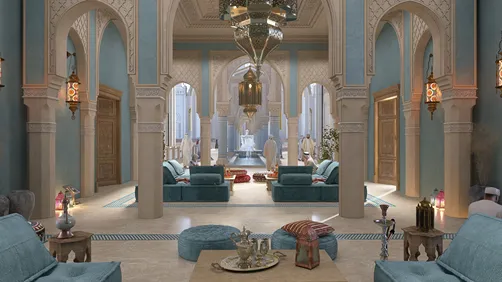
Judges prioritize respectful, informed reinterpretation—not museum replication. Successful entries like 'Bayt Al Ruh – Casa del alma' (Top 3) demonstrate deep research into Arabic spatial philosophy (e.g., privacy layers, courtyard centrality) while innovating with form, scale, and digital materiality—a hallmark of modern Homestyler design techniques.
Q: Are video-based submissions accepted for Arabic-style living rooms?
Yes. Video walkthroughs (like Encarni Fernandez Calero’s award-winning 'Bayt Al Ruh') are strongly encouraged—they showcase spatial flow, lighting transitions, and material responsiveness in ways static renders cannot. Homestyler’s 360° export and timeline animation tools simplify cinematic presentation of interior space planning concepts.
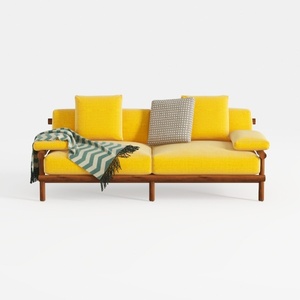

Modern Yellow Fabric Solid Wood Sofa With Throw Pillows And Blanket 3D Model

Modern Two Tone Fabric Loveseat Sofa 3D Model
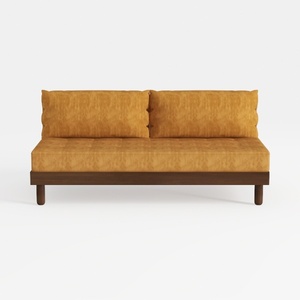
Minimalist Fabric Wooden Armless Loveseat Sofa 3D Model
Homestyler offers an easy-to-use online home design tool with stunning 3D renderings, inspiring design projects, and helpful DIY video tutorials. It’s perfect for bringing your interior ideas to life, whether you’re a beginner or a seasoned designer. Give your space a fresh look today!
Diseño ahora GRATIS