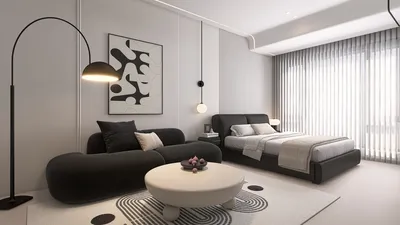


Combining curtains with blinds in your living area creates a multifaceted environment of light, privacy, and texture that standalone treatments rarely accomplish. I view the window as a dynamic feature: it influences circadian rhythms, highlights outdoor vistas, and sets the overall mood of the room. By opting for a layered approach, I can optimize daylight, mitigate glare, and enhance sound absorption without sacrificing the clean aesthetic that families desire. Utilizing design tools like Homestyler can aid in visualizing these arrangements effectively.
Research supports this design philosophy. The WELL v2 Light framework stresses the importance of managing glare and promoting circadian health by aligning indoor lighting with natural daylight cycles. Achieving around 250–500 lux at eye level for most activities serves as a practical standard, while minimizing high-angle glare significantly improves visual comfort. Further studies from Steelcase have established a connection between visual comfort, productivity, and well-being in shared spaces—including living rooms—where adaptable shading options lessen eye fatigue and enhance social interactions. For further insights into daylight and visual comfort, refer to WELL v2 (wellcertified.com) and the guidelines from IES (ies.org/standards).
Color choices extend beyond mere aesthetics; they significantly impact behavior. Opting for neutral curtains in warm, off-white, and sandy shades softens daylight while maintaining consistent color rendering, which helps skin tones appear authentic in social gatherings. An overview from Verywell Mind on color psychology indicates that shades of blue and green evoke calmness, while warmer tones create a welcoming atmosphere; I frequently incorporate muted greens for a relaxed afternoon vibe alongside terracotta accents for evening warmth.
Selecting the Appropriate Blind Type
Choosing the right blinds is fundamental for effective light management. Roller blinds, known for their sleek look, provide a range of opacity choices, from sheer to blackout options. Venetian blinds, made of wood or metal, offer precise angle adjustments, allowing you to enjoy the view while minimizing high-angle glare. On the other hand, cellular (honeycomb) blinds present thermal advantages and significant sound dampening due to their unique micro-pocket design. In south- or west-facing spaces where sunlight can be overwhelming, cellular or dual roller combinations (sheer plus blackout) help maintain a steady temperature and comfort throughout the day.
Curtain Fabrics, Headers, and Lining
The choice of fabric and construction directly impacts performance. A medium-weight linen blend drapes beautifully, filters light seamlessly, and lends a tactile richness without being overly heavy. If blackout functionality is essential, consider using layered linings: a dim-out liner can maintain a soft touch while controlling light seepage, and a full blackout liner guarantees privacy for homes facing the street. As for headers, double pinch pleats provide a sophisticated elegance; ripplefold tracks maintain a modern look with continuous folds and reduce bulkiness—particularly beneficial in spaces where wall area is constrained by furniture or artwork.
Layering Techniques for Daily Use
I approach my layering system in three key configurations: daytime filter, afternoon shield, and evening cocoon. In the daytime, adjust blinds to a mid-open position or lower sheer rollers to achieve 250–400 lux on seating areas while minimizing screen glare. During the afternoon, close the slats or lower a dim-out roller as the sun shifts, preserving sightlines and reducing squinting. Come evening, completely draw the curtains to create a warm acoustic atmosphere and enhance privacy; if streetlights are intrusive, engage the blackout lining while keeping sheer blinds slightly lowered to allow an air gap that aids in sound absorption.
Managing Glare and Screen Time
Living rooms serve multiple purposes—conversing, streaming, reading. Glare is a subtle yet detrimental factor. Tilt venetian slats downward by 10–25 degrees to divert high-angle light away from screens, or utilize dual roller systems so the sheer stays down while the dim-out layer lowers during peak sunlight hours. Maintain a balanced luminance contrast, aiming for a ratio around 3:1 between your screens and surrounding surfaces to lessen eye strain. Using a matte fabric for your curtains and low-sheen finishes for your blinds can help reduce reflective glare.
The Significance of Color Psychology and Visual Harmony
The temperature of colors is just as important as their hue. Pair warm fabrics with lighting in the 2700–3000K range to establish a cozy evening ambiance, and opt for sheer fabrics that won't cool the daylight too much. Strive for balance in visual weight: if your blinds are a dark walnut, choose curtains a shade lighter to avoid overwhelming the window area. Consistency across multiple windows (same headers, uniform hem heights) fosters a rhythmic appearance; I like to align hems so they gently graze the floor for a polished look, or to puddle about two inches in more traditional settings for added softness.
Enhancing Acoustic Comfort with Material Choices
Curtains contribute to sound absorption and decrease reverberation, particularly in living rooms with hard surfaces like wood floors or plaster walls. Aim for a layered density: a textured weave combined with interlining and a little bit of puddling can enhance bass absorption without dulling the space. Cellular blinds and soft, ribbed fabric further reduce echo. For lively rooms, incorporating a wool blend curtain with interlining offers a sophisticated feel and noticeable acoustic benefits.
Balancing Privacy, Views, and Behavioral Trends
In lower-level or street-facing settings, it’s effective to pair view-preserving sheers with adjustable blinds that angle up, allowing light in while blocking direct lines of sight. I often opt for split stacks: center-draw curtains for wide windows and side-draw setups in areas requiring clear pathways. The aim is to facilitate behavior—creating cozy spaces near windows for conversation, controlled lighting for reading nooks, and quick-adjust options for flexible screen viewing.
Mounting Techniques, Proportions, and Trimming
For a clean look, mount blinds snugly inside the frame if the jambs are accurate; a mounting outside becomes necessary for uneven frames or when wanting to create the illusion of larger windows. Curtains should be hung high—between two to six inches below the ceiling or crown—to enhance the perceived height of the room. Extend rods by 6–10 inches beyond each side of the window for a generous stack that doesn’t inhibit daylight access. Hem curtains to skim the floor for a contemporary feel; adding weights ensures a crisp vertical appearance.
Designing Layouts and Furniture Relationships
Window treatments should harmonize with the room’s design flow. Arrange seating in areas where glare is mitigated, and value sightlines; floating sofas might be best if wall space is reserved for curtain stacks. In multi-window living rooms, simulate stack depths and clearance to ensure that media consoles, bookshelves, and plants don’t obstruct the drape path. For quick spatial evaluations, consider using a room layout tool to visualize stacking positions and circulation, adjusting blind mounts and curtain widths as needed for an optimal arrangement.
Sustainability and Upkeep Considerations
Opt for FSC-certified wood for your venetians, recycled polyester for curtains, and low-VOC finishes for hardware to promote sustainability. Removable, washable linings can help decrease long-term maintenance expenses. Choose UV-resistant fabrics to minimize color fading from sunlight. A regular care schedule involving vacuuming with a fabric brush, spot-cleaning as directed by the manufacturer, and dusting slats with a microfiber tool can maintain performance long-term.
Living Room Trends for 2024–2025 Everyone Should Embrace
Dual-layer roller systems, a trend toward warm minimalism with textured neutral tones, and subtle color blocking are gaining popularity. Ripplefold tracks with hidden ceiling recesses contribute to a gallery-like tranquility. A pairing of walnut or smoked oak venetians with stone-gray linen curtains is emerging as a classic combination that complements both modern and transitional designs.
Frequent Mistakes and Professional Solutions
Using curtains that are too narrow results in tight pleats and inadequate coverage; aim for fullness between 2.0 to 2.2 times the width. Neglecting to account for stacking space can crowd artwork and shelves—it's best to address this early in the design process. Ignoring glare angles can create afternoon discomfort—test slat positions at various times. Mixing very cool sheers with warm lamp shades leads to conflicts in color temperature—ensure fabric tones and lamp color temperatures align. Overlooking acoustic needs can lead to echoey spaces—consider adding interlining or heavier weaves.
Frequently Asked Questions
Roller blinds featuring dual layers (sheer plus dim-out or blackout) provide the sleekest appearance and facilitate quick transitions. Venetian blinds excel in offering angle control without sacrificing views.
Tilt venetian slats downward at a 10–25 degree angle or lower a dim-out roller during peak sunlight while keeping sheers closed. Pair this with 2700–3000K lighting for a cozy evening atmosphere.
A fabric fullness of between 2.0–2.2 times the width enables rich folds and sufficient side coverage. Ripplefold systems maintain uniform waves and lessen bulk over operational blinds.
Sheers grant daytime privacy with filtered views. At night, integrate a dim-out or blackout layer to block silhouettes; cellular blinds also augment privacy and insulation.
Soft blues and muted greens typically promote tranquility, while warm neutrals create an inviting tone. Select fabrics that retain natural daylight balance to maintain true-to-life skin tones.
Mount your curtains 2–6 inches below the ceiling or crown to visually elevate the room and enhance the window's appearance. Extend rods 6–10 inches beyond each side for a generous stacking effect.
Absolutely. Choose FSC-certified wood venetians, recycled polyester materials, and low-VOC finishes for your hardware. Opt for UV-stable fabrics to prevent fading and prolong their lifespan.
Definitely. Heavy-weight fabrics with interlining improve absorption, reducing echo and harsh sounds. Cellular blinds can provide extra sound dampening behind the fabric drape.
Plan for stack depths and clearances early on. Utilize interior layout planners to visualize the curtain paths and ensure that your furniture doesn’t obstruct the drapery.
Regularly vacuum curtains using a fabric brush, dust slats with microfiber cloths, and follow manufacturer cleaning instructions. Washable liners simplify maintenance and protect the main fabrics from wear.



Homestyler is your go-to online home design platform! With its user-friendly design tool, stunning 3D renderings, and a wealth of DIY video tutorials, you can easily transform your vision into reality. Elevate your interior spaces effortlessly and explore endless design possibilities!
Diseño ahora GRATIS
































