Landscaping around a meandering brook presents an incredible opportunity to craft a serene and visually appealing outdoor space that feels both organic and purposefully designed. Whether the brook is a natural feature or a constructed element, integrating it with its surroundings can create a harmonious atmosphere that enhances functionality. As a designer, I recognize that the primary goal is to highlight the brook’s natural charm while also considering its upkeep, ecological effects, and intended use. Here’s a guide on how to approach the landscaping of your brook to achieve stunning aesthetics and enjoyable usability, possibly using tools like Homestyler for the planning phase.
Begin by evaluating the current landscape and the brook's path. Take note of the surrounding flora, soil characteristics, and sun exposure. The objective is to preserve the stream's natural movement while introducing features that enrich the existing environment. Opt for native plants, which demand less maintenance and contribute to the conservation of local ecosystems.
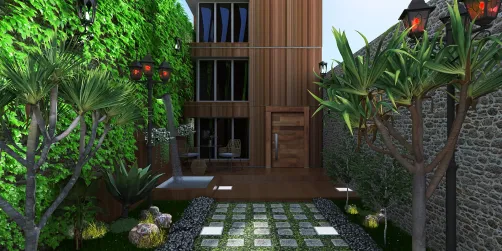
Create winding, informal pathways using natural stones or gravel to encourage exploration along the brook’s edge. Add greenery such as willows, ferns, sedges, and wildflowers to form lush banks that also serve as erosion deterrents. Construct boulders or position logs in a way that mimics natural occurrences, helping to anchor the soil and providing shelter for wildlife. To add visual interest, design with varying heights—place taller shrubs or small trees further back from the water and lower herbaceous plants closer to the stream.
If you appreciate a well-planned outdoor environment, considering the use of a detailed 3D floor planner like Homestyler during your initial design process could be very beneficial. This approach lets you virtually experiment with the arrangement of plants, pathways, and features before starting the physical work, ensuring all components blend seamlessly both in terms of appearance and functionality. This is a strategy used by many professionals, including myself, to create coherent and visually appealing landscape designs.
Tips 1:
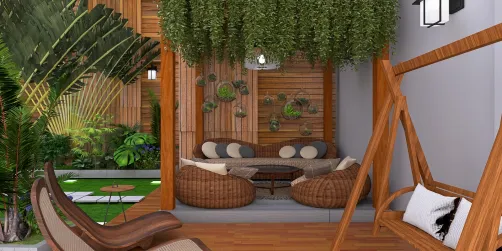
Enhance multi-season appeal by selecting a variety of evergreen and deciduous plants. Integrate seating areas with natural materials—such as a stone bench tucked within the plantings—to enjoy the visual and auditory pleasures of the flowing water. Regular maintenance, such as trimming back overgrowth, is essential to maintain clear sightlines and a thriving habitat for both plants and local wildlife.
FAQ
Q: What are the best plants for landscaping a brook?
A: Choose native, moisture-loving plants like ferns, astilbes, sedges, irises, and willows that suit your climate and soil, offering a natural aesthetic with minimal upkeep.
Q: How can I prevent erosion along my brook’s banks?
A: Planting deep-rooted native species and ground covers helps stabilize the soil, while placing rocks or logs at bends in the brook where water flow is strongest can mitigate erosion.
Q: Should I include lighting around my rambling brook?
A: Utilizing low-level LED or solar lighting along paths and prominent features enhances safety and ambiance while preserving the area’s natural character.
Q: Is it important to use a detailed plan before landscaping a brook?
A: Absolutely, a comprehensive plan—especially one that includes 3D visualization—ensures that all design elements integrate effectively and functionally within your landscape.
Q: Can adding seating or decks disrupt the natural look?
A: Not if you select materials and forms that reflect the natural surroundings—utilizing materials like natural stone, wood, and organic shapes can beautifully complement brookside landscapes.
Homestyler is your go-to online home design platform, perfect for crafting your dream space! With a user-friendly design tool, stunning 3D renderings, an array of design projects, and helpful DIY video tutorials, transforming your home has never been easier or more inspiring.