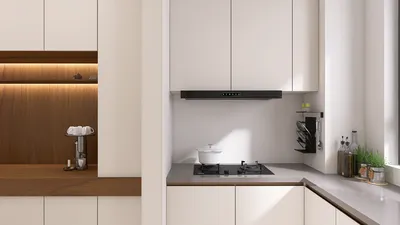


With over ten years of experience in interior design, I can confidently say that incorporating green walls in living rooms transcends fleeting trends; it’s a classic approach to harmonizing your interiors with nature. Recently, earthy hues and biophilic principles have surged in popularity, particularly in smaller spaces where unique solutions often emerge. In this article, I will present ten design inspirations drawn from my personal projects, integrating my experiences with professional insights, ensuring your green-walled living room radiates both elegance and comfort, especially using tools like Homestyler for visualization.
1. Botanical Minimalism
My Perspective: In a recent redesign of a compact urban apartment, I opted for a soft sage green wall alongside white oak shelving. The end result was refreshingly calm and inviting—ideal for someone who operates from home.
Benefits: This approach harmonizes wonderfully with natural sunlight and enhances small living areas by providing a tranquil appearance. Architectural Digest notes that muted greens can diminish visual clutter and promote relaxation.
Drawbacks: Excessive green without contrasting elements can create a flat ambiance. I've realized that an abundance of plants or decorative items might overpower the minimalist aesthetic.
Advice: Complement your green walls with light-hued furniture to maintain an airy and open feel.
2. Deep Emerald Glamour
My Perspective: In one project, I implemented deep emerald walls paired with plush velvet sofas and brass fixtures, resulting in a space that exuded luxury.
Benefits: This color elevates sophistication and is excellent for dramatic living areas. Deep emerald stands out as one of the finest choices for chic modern green-wall designs.
Drawbacks: While it can create a cozy atmosphere in smaller rooms, it may feel darker than some prefer.
Advice: Introduce a large mirror to reflect light and prevent the room from becoming too enclosed.
3. Nature-Inspired Layering
My Perspective: Pairing a forest green wall with layered natural elements, such as rattan seating and linen drapes, fosters a warm and welcoming environment.
Benefits: This combination is warm, organic, and adaptable, perfect for residences that embrace a slow-living philosophy.
Drawbacks: If your preference leans toward modern minimalism, the earthy theme may feel overly rustic.
Advice: Incorporate sleek metallic features to offset the textures, akin to how wood details can create a warm ambiance in complex designs.
4. Accent Wall with Green Paint
My Perspective: In a spacious loft, I painted an olive-green accent wall that visually differentiated the living and dining areas without constructing an actual divider.
Benefits: This method is economical and has a significant impact; it’s also easy to update whenever a new look is desired.
Drawbacks: It may appear incomplete if the decoration doesn’t effectively unify both areas.
Advice: Use complementary artwork and area rugs to elegantly connect these spaces.
5. Green Walls with White Trim
My Perspective: I appreciate how white trim enhances green walls, offering a crisp outline that highlights the color.
Benefits: This contrast introduces architectural appeal without needing major renovations.
Drawbacks: Maintaining the brightness and cleanliness of the trims can be challenging.
Advice: A semi-gloss finish on the trims facilitates easier cleaning.
6. Mid-Century Modern Green
My Perspective: A leaf-green backdrop paired with teak furnishings and geometric artwork in a mid-century home resulted in a magazine-worthy look.
Benefits: This style harmonizes with vintage furnishings perfectly; green introduces freshness amid mid-century warmth.
Drawbacks: It can be difficult to find authentic pieces that resonate with the intended style.
Advice: Balance budgetary considerations by mixing replica items with a few distinctive vintage pieces.
7. Green and Grey Sophistication
My Perspective: Combining moss green walls with charcoal grey textiles in a couple’s high-rise led to a refined urban atmosphere, which they absolutely adored.
Benefits: This color pairing is subtle yet timeless, fitting seamlessly into modern apartment designs.
Drawbacks: In spaces that lack warm lighting, this combination may feel overly cool.
Advice: Incorporate brass or copper accents to add warmth to the overall palette, similar to how reflective elements can enhance darker tones.
8. Dual-Tone Green Effect
My Perspective: By painting the lower half of the wall in a richer green and the upper in a gentle mint, I created a playful visual effect in a small living room.
Benefits: This technique makes ceilings appear higher and adds interest without overcomplicating the design.
Drawbacks: The delineation line must be tidy; any unevenness will be noticeably out of place.
Advice: Utilize painter’s tape and a level to achieve clean separations.
9. Textured Green Wallpaper
My Perspective: For a client desiring a bold solution without permanent change, we opted for a grasscloth green wallpaper that looked fantastic at all times.
Benefits: This choice provides depth and texture; it is also easily removable, making it suitable for rental properties.
Drawbacks: High-quality wallpapers can be somewhat costly, and successful installation demands precision.
Advice: Always purchase extra rolls to prepare for any potential repairs in the future.
10. Art Gallery on Green
My Perspective: I love how artwork stands out against a green backdrop—in one of my projects, an arrangement of black-framed prints became the focal point.
Benefits: Green walls provide an ideal background for displaying curated art, as the color complements both warm and cool tones in the artworks.
Drawbacks: Too many pieces might create a cluttered appearance rather than a curated one.
Advice: Arrange your frames on the floor first to strategize their layout, much like how a thoughtfully curated arrangement can transform a room’s atmosphere.
Conclusion
Incorporating green walls in living rooms is more about harnessing creativity than imposing restrictions. Whether in large or small spaces, green can adapt to various moods and styles, a notion validated by color impact studies from the American Society of Interior Designers. Which of these concepts would you be eager to implement in your space using Homestyler for optimal design visualization?
FAQ
Q1: What shade of green is ideal for a living room?
The best shade depends on the desired mood—sage for tranquility, emerald for opulence, and mint for freshness. Always test paint samples in your environment's light.
Q2: Are green walls suitable for compact living rooms?
Indeed, particularly softer shades which can create an illusion of spaciousness and brightness.
Q3: Can bold furniture be harmonized with green walls?
Definitely! Just ensure that the colors work in harmony rather than clash.
Q4: What are the costs associated with repainting a living room green?
In the United States, expenses typically range from $200 to $800, contingent on room size and quality of paint used.
Q5: Do green walls impact mood?
Yes, as research in Color Psychology indicates, green can promote calmness and alleviate anxiety.
Q6: How should I exhibit art on green walls?
Utilize contrasting frames and adequate spacing to give each art piece its own space, akin to well-curated gallery displays.
Q7: Are green walls challenging to maintain?
Not necessarily. Opting for a washable paint finish can simplify upkeep.
Q8: Can green walls be integrated into open-plan designs?
Certainly! They can serve as visual separations or be paired with complementary décor, reminiscent of accent zones in personalized open plan layouts.
Homestyler is your go-to online home design platform, perfect for both novices and experts. With its user-friendly design tool, stunning 3D renderings, a wealth of design projects, and helpful video tutorials, you can effortlessly create and visualize your dream spaces. Transform your home today!
Diseño ahora GRATIS
































