


The future of living spaces is evolving towards smaller footprints, yet our challenges—clutter, insufficient lighting, and disruptive overlaps—remain. Recent AIA trend analyses indicate that homes are transforming in form quicker than their square footage can expand. This discrepancy is precisely where my work focuses. Within this dynamic, a 300-square-foot, two-level design emerges as a model for a lighter, neater, and more purposeful living environment—an interface designed for the future. I conceptualize it as a toolkit for spatial reasoning, aware that the future is upon us and I have charted its initial steps.
Split-Level Studio: Day/Night as Two Programs
Design Logic: The first level serves a public function featuring a kitchenette, a foldable dining area, and a micro-lounge, while the loft above serves as a restful space focused on sleep and concentrated work. This arrangement effectively separates functions, enabling hybrid work to thrive without overwhelming the environment.
Flow: The layout progresses from the entrance → pantry wall → galley kitchen → fold-down table → ladder/staircase leading to the loft → niche for the bed → overhead shelf—ensuring a seamless, forward-moving experience without backtracking.
Sightlines: Low sight barriers at 36 inches maintain openness, offering a diagonal view from the entrance to the windows, and a vertical sightline to the loft edge that functions like an additional user interface layer.
Storage: Innovative solutions like toe-kick drawers, a 10-inch wall grid, and a loft perimeter rail serve as storage; all items are shallow, clearly labeled, and easy to access.
Furniture Fit: The space accommodates a 72-inch sofa bench, a 24-inch deep galley, and a queen-short platform that fits snugly at 80 inches by 60 inches against the railing—perfectly optimized for the available footprint.
Verdict: This split-level design treats time as a variable; daylight facilitates social interactions, while nighttime supports recovery. Even after five years, the layout functions efficiently.
save pin
Switchback Micro-Stair with Service Spine
Design Logic: The staircase doubles as a service spine, incorporating drawers within the treads, concealing cables under the risers, and integrating HVAC returns in the side panels. This design not only streamlines movement but also accommodates future upgrades.
Flow: The route runs from the entry → coat niche embedded in the staircase → cooking area alongside the stringer → a desk node on the landing → ascending to the sleeping area—ensuring a collision-free environment.
Sightlines: Perforated stair guards filter light similarly to a heads-up display (HUD), allowing depth perception while preserving privacy. The landing beautifully frames the window as a key focal point.
Storage: Each 7-inch rise acts as a micro-bin; the landing has a 14-inch deep wardrobe; and the overhead stair soffit serves as a broom storage area—keeping storage conveniently near high-traffic spots.
Furniture Fit: A drop-leaf 30-inch table makes room for stair movement; an 18-inch wide desk fits perfectly on the landing; and the low-profile mattress ensures adequate headroom complies with regulations.
Verdict: This staircase is designed to function like infrastructure—future devices integrate with it seamlessly instead of existing around it. The layout remains adaptable as lifestyle habits change.
save pin
Glass Corner Wet Core with Perimeter Flex
Design Logic: By consolidating the bathroom and kitchenette into a single wet core, the design frees the perimeter for versatile living spaces. This approach allows tomorrow’s appliances to cluster centrally, keeping the boundaries flexible.
Flow: The layout transitions from the entrance → the wet core situated in one quadrant → a continuous loop around the perimeter for lounging or working → access to a pocket ladder leading to a mezzanine sleeping area—minimizing dead ends for efficiency.
Sightlines: Translucent glass positioned at shoulder height softens the wet core’s appearance, allowing daylight to permeate 360 degrees, akin to reducing opacity on a user interface to enhance context.
Storage: The core accommodates a vertical pantry, a pull-out linen storage, and a washer-dryer drawer, while the perimeter features rail-mounted bins for efficient task management.
Furniture Fit: Modular 30-inch cubes can be arranged as a sofa or credenza; a 48-inch track table transitions smoothly between work and dining; and the shower dimensions are 30 inches by 36 inches to maintain precision in design.
Verdict: With centralized services, the design adapts to evolving needs—today functioning as a studio, tomorrow transforming into a micro-atelier. The foundational layout is ready for new usage patterns.
save pin
Final Takeaway
A 300 square foot, two-floor plan is not just a compromise; it represents a dynamic operating system for living that perceives space as an interactive experience and considers time as a crucial dimension. In this compact duplex framework, principles of small studio layout, proportioning for micro-lofts, and a long-tail vertical circulation concept converge to make everyday living more efficient and serene. The most innovative two-level micro homes will not increase in size; rather, they will achieve clarity—based on my experience, layouts that prioritize flow and storage consistently outlast fleeting trends. Utilizing tools like Homestyler can aid in visualizing such effective designs.
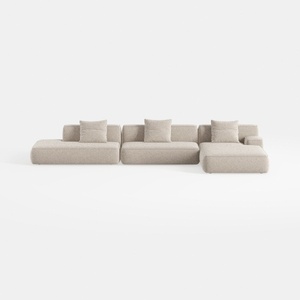
Minimalist Boucle Fabric L Shaped Sectional Sofa 3D Model

OKD 48" Modern Farmhouse Coffee Table, Wooden
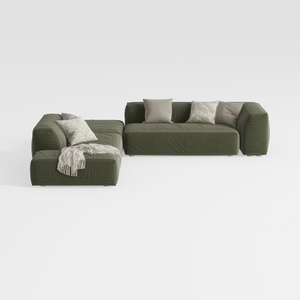
Minimalist Modern Fabric L Shaped Sectional Sofa with Throw Pillows 3D Model
Looking to transform your home? Homestyler is your go-to online design platform! With a user-friendly design tool, stunning 3D renderings, and a plethora of DIY video tutorials, you can effortlessly create and visualize your dream space. Start designing today!
Diseño ahora GRATIS
































