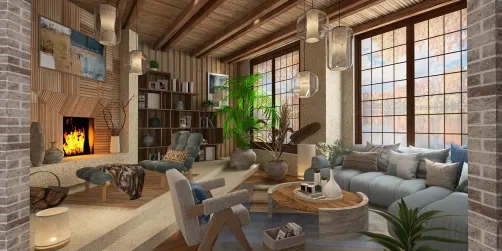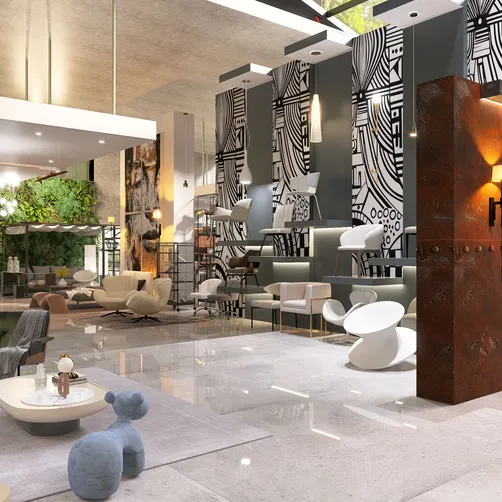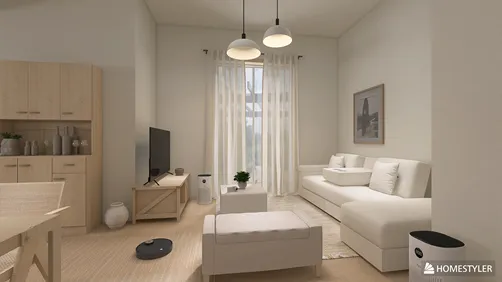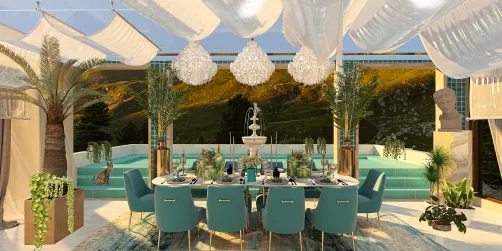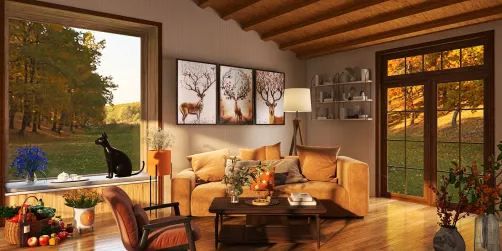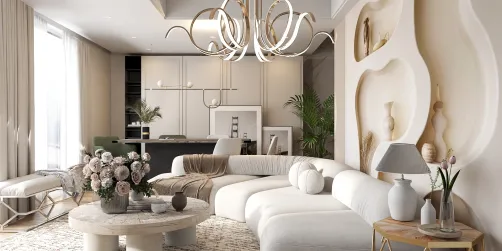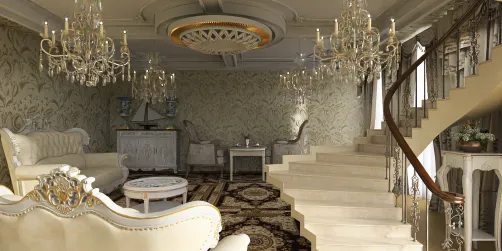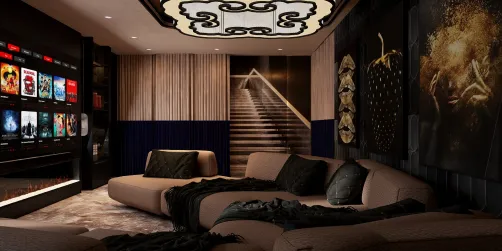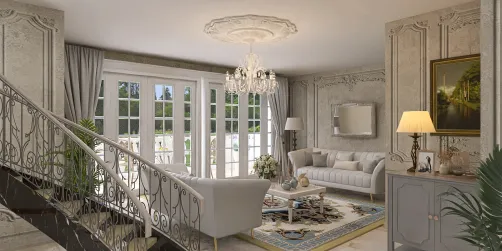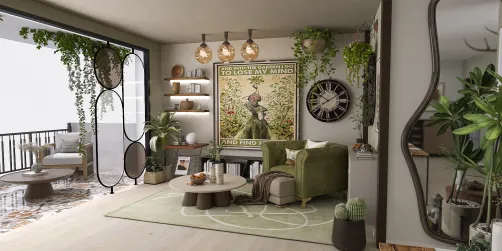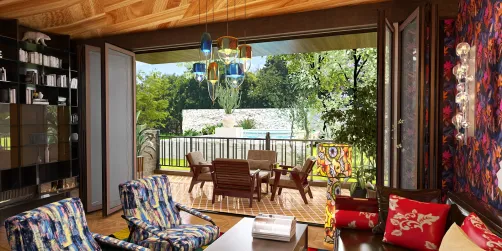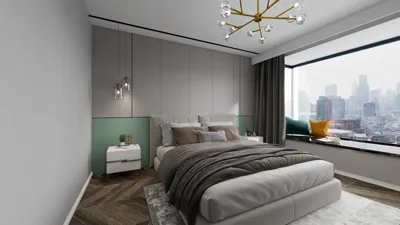
As we look forward to what lies ahead, today's cabins are faced with the challenge of harmonizing clutter management, privacy, and energy efficiency. Recent AIA data indicates that homeowners are increasingly favoring versatility and performance over mere square footage, and my design philosophy is rooted in anticipating the next five years of living. In this context, employing a robust spatial reasoning toolkit becomes essential for crafting an exact two-bedroom cabin floor plan that caters to evolving needs.
Clients are now seeking spaces that function like sophisticated software—modular, efficient, and tranquil. Trends highlighted by Zillow and NAHB support this transition: there's a movement towards smaller designs that offer greater adaptability and clearer lines of sight. The cabin has transitioned from being a simple rustic structure to a modern update that enhances daily experiences.
Split-Core Hearth Layout
Design Concept: The central hearth functions as the core processor, with two mirrored bedrooms acting as connected nodes. This design accommodates future lifestyle trends—such as remote work and diverse sleeping habits—by minimizing noise and maximizing thermal efficiency.
Flow: Entrance → mudroom → open living/kitchen area (core) → split hallways → bedrooms → bathroom stack; structured like a precise instruction sequence that minimizes unnecessary movement.
Sightlines: The design allows for diagonal views from the kitchen to the deck, framed by a low horizon; privacy levels rise near bedroom areas, much like transitioning a user interface from a social feed to direct messaging.
Storage: Strategic perimeter cabinetry serves as a storage cache: banquette drawers, wall niches, and vertical pantries—designed to maximize space without any waste.
Furniture Fit: Accommodating an 84–90" sofa with a 30" dining area clearance, and a queen size in a 10' x 11' room with 30" aisles; each dimension is meticulously calculated to behave like an API limit—efficient yet accommodating for adjustments.
Conclusion: This resilient split-core layout promises longevity as technology progresses and routines evolve without interference.
save pin
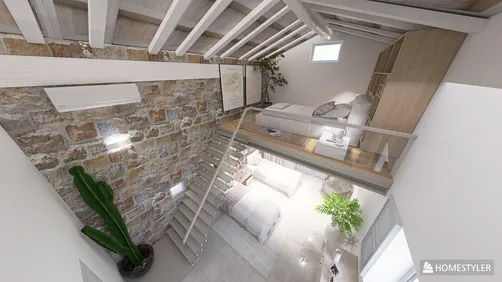
Lofted Ridge + Bunk Annex
Design Concept: The ridge beam acts like a supportive spine; the primary bedroom is positioned below while the secondary space flexibly serves as guest quarters or a bunk area. This design anticipates the growing demand for multifunctionality without increasing the footprint.
Flow: Entrance → galley kitchen → living area under the ridge → ladder/stairs to the loft → annex access → shared bathroom; this creates a tiered functional approach that remains unobstructed.
Sightlines: High clerestory windows serve as natural light indicators; the loft edge outlines the living area like an elevated toolbar, maintaining privacy for sleep areas.
Storage: Under-stair drawers, knee-wall storage in the loft, and bins under the bunks; these caches are strategically placed to reduce the time spent searching for items.
Furniture Fit: A round 42” table, a compact sectional with chaise, and a twin-over-full bunk setup in the annex; the dimensions are aligned with movement pathways to ensure guests can navigate freely without disruption.
Conclusion: This guest-friendly layout effortlessly transitions between family and friend gatherings, proving its adaptability.
save pin
Linear Porch Spine
Design Concept: A long porch serves as the external framework, with rooms aligned like modular units. This outdoor-first living approach also integrates wildfire safety and ventilation strategies, enhancing the lifestyle experience.
Flow: Carport → screened porch → living/kitchen space → bedrooms located at either end → bathroom core; this allows users to opt for indoor or outdoor pathways, ensuring maximum efficiency.
Sightlines: A sequence of transparency leads from porch lattice to windows to the back tree line; as one moves toward the bedrooms, the information density decreases, easing cognitive load.
Storage: Porch lockers for outdoor gear and tools, wardrobes with wall depth, and overhead racks—providing organized sections for both cold and warm items to maintain cleanliness.
Furniture Fit: The living area, spanning 9–10', accommodates a low-profile sofa with sufficient clearance for a wood stove; the porch swing is centered within a 6' module, establishing a 24” grid for future adaptability.
Conclusion: This linear design syntax allows for seasonal adjustments to user interfaces without disrupting the fundamental architecture.
save pin
Final Insights
A two-bedroom cabin floor plan transcends traditional blueprints; it serves as a dynamic interface that orchestrates light, warmth, and focus with intention. Variations, such as split-core hearths, lofted annexes, and linear porch designs illustrate that compact spaces can accommodate expansive lifestyles. From my observations, the most intelligent two-bedroom cabins don't simply expand; they are meticulously designed, with every choice made reshaping life’s experiences. Incorporating tools like Homestyler can assist in visualizing and optimizing these layouts for potential homeowners.
Homestyler is your go-to platform for effortless home design. With its user-friendly online tool, stunning 3D renderings, and a treasure trove of design projects and DIY video tutorials, transforming your space has never been easier or more inspiring. Dive in and unleash your creativity today!