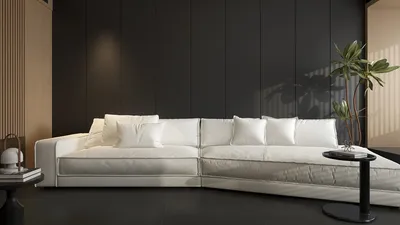


With more than a decade of practical experience as an interior designer, I've observed remarkable transformations in living room concepts centering around TV stands, evolving hand in hand with trends emphasizing comfort, technology integration, and versatile furniture. This is particularly evident in compact apartments, where limited space often inspires greater design ingenuity. In this article, I'll provide ten innovative design ideas, merging my personal projects and professional strategies, to assist you in creating a striking and efficient TV area using tools like Homestyler.
1. Sleek Floating TV Stand
Personal Experience: In a studio apartment measuring only 420 sq ft, I redesigned the space by incorporating a floating TV stand that opened up the floor area, making the room appear significantly larger.
Advantages: Ideal for narrow spaces, easy maintenance underneath, and lends a modern, airy aesthetic that complements minimalist living room designs. Research on small-space design (IKEA 2023) indicates that wall-mounted options enhance the perception of space.
Disadvantages: Needs strong wall support and may require professional installation, which could slightly raise the budget.
Advice: Integrate concealed cable management for an impeccably tidy environment — I recommend checking out my previous minimalist living room project for inspiration.
2. Built-in Storage with TV Integration
Personal Insight: I am passionate about creating floor-to-ceiling storage units surrounding the TV; this approach transforms the entire wall into a functional and eye-catching feature.
Benefits: Optimizes vertical storage, camouflages media clutter, and frames the TV like a work of art. It's also an excellent way to showcase books or decorative pieces.
Drawbacks: In smaller areas, dark finishes or bulky designs might overwhelm the space.
Suggestion: Opt for lighter shades and open shelves above eye level to create a sense of balance between storage and openness.
3. Warm Rustic Wood TV Stand
Personal Experience: In a cottage project, I opted for a reclaimed wood TV console that added warmth and charm to the space.
Advantages: Eco-friendly, timeless, and inherently textured — perfectly suited for cozy or farmhouse-themed living spaces with TV furniture.
Drawbacks: Authentic reclaimed wood can be quite heavy and susceptible to scratches.
Recommendation: Use a protective matte sealant to prolong its lifespan while retaining the rustic aesthetic.
4. Glass and Metal TV Unit
Personal Insight: In a recent modern loft renovation, I chose a sleek glass shelf with a black metal frame for an appealing industrial-minimalist vibe.
Benefits: Maintains open sightlines, pairs beautifully with contemporary décor, and reflects light, enhancing brightness in rooms.
Disadvantages: Requires frequent cleaning to eliminate fingerprints.
Tip: Choose tempered glass for safety, especially if kids or pets are around.
5. Corner TV Stand in L-Shaped Rooms
Personal Observation: Corner arrangements can be underrated; in a compact L-shaped room I designed, this setup created more central floor space for seating options.
Pros: Effectively utilizes awkward corners and offers improved viewing angles for multiple seating arrangements.
Cons: The variety of stylish corner-specific furniture may be limited.
Suggestion: Custom-made units can address corner fitting challenges — take a look at my L-shaped redesign for examples.
6. Concealed TV Cabinet
Personal Experience: For a client desiring a tech-free aesthetic, we created a sliding panel system to completely conceal the TV.
Benefits: Maintains a tidy, art-centric living environment; protects the TV from dust accumulation.
Drawbacks: Costs can increase due to custom mechanisms, and sufficient wall space is necessary for the sliding system.
Advice: This is perfect for multipurpose living areas that double as workspaces or formal lounges.
7. Mid-Century Open-Shelf TV Stand
Personal Insight: During a 1960s remodel, I incorporated a teak wood low unit with tapered legs that brought nostalgia and sophistication.
Advantages: Timeless design, visually light, and easy to reposition for layout changes.
Disadvantages: Limited hidden storage for clutter management.
8. TV Wall with Built-in Fireplace
Personal Experience: Merging a linear electric fireplace beneath the TV creates both visual drama and cozy warmth throughout the year.
Pros: Serves as a captivating focal point, offers even heat distribution, and is ideal for open-plan living arrangements.
Cons: Managing heat is crucial to ensure the longevity of the TV.
9. Adjustable Height TV Stand
Personal Insight: I installed an adjustable height unit for a gaming enthusiast; it made transitions between seating and floor cushions seamless.
Pros: Provides ergonomic adaptability, great for gaming sessions, workouts, or movie nights.
Drawbacks: Mechanisms may introduce bulk or mechanical noise over time.
10. Multi-Zone Living Room Concept
Personal Take: In open spaces, I frequently use a low, long TV unit to subtly define lounge and dining areas.
Pros: Helps delineate zones without obstructing light flow, while offering extra display space.
Cons: May not be suitable for very small rooms where complete openness is preferable.
Tip: This concept works exceptionally well in studio apartments that feature adjoining kitchen layouts.
Conclusion
Regardless of the size, your living room serves as a canvas — and in many cases, 'small' encourages more thoughtful and innovative designs rather than restrictions. As noted by GoodHomes Magazine in 2023, merging style with functionality leads to enduring results. Which of these living room designs featuring a TV stand resonates with you the most, and how might you use Homestyler to visualize these concepts?
FAQ
1. How can I select the right size TV stand for my living area?
Ensure the stand's width complements your TV size with an additional 5–10 inches on both sides for balance. Consider how it fits proportionately into your room's overall layout.
2. What materials are best suited for a TV stand?
Durable solid wood, modern metal, or light-reflective tempered glass are excellent options. Source: The Spruce, 2023.
3. Can a TV stand serve as a room divider?
Certainly — low modular units can create distinct zones in open areas without obstructing light.
4. What methods can I use to conceal cables for a tidy TV stand?
Utilize built-in conduits, cable boxes, or wall channels; some floating models come with integrated cable management options.
5. Is wall mounting a TV above a fireplace advisable?
Yes, as long as heat management is properly addressed with suitable mantels or non-heat-emitting models like modern electric fireplaces.
6. What type of TV stand is ideal for small apartments?
Consider floating units or corner TV stands which optimize floor space and enhance overall flow.
7. How can I make a TV stand safe for children?
Avoid sharp edges, anchor units to walls, and choose enclosed storage to keep small items out of reach.
8. Is it possible to have a custom-made TV stand?
Absolutely — custom designs allow for a perfect fit in awkward spaces and align with unique décor styles, particularly when used in conjunction with a professional design tool like Homestyler.
Homestyler is an outstanding online home design platform that empowers you to create stunning spaces effortlessly. With its user-friendly design tool, impressive 3D renderings, a plethora of inspiring design projects, and informative DIY video tutorials, bringing your dream home to life has never been easier!
Diseño ahora GRATIS
































