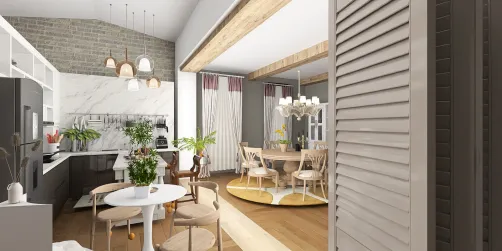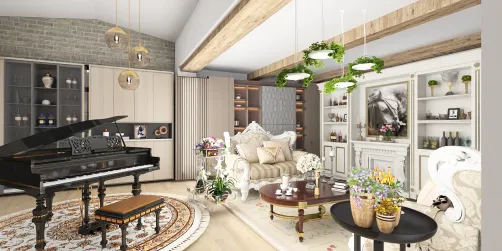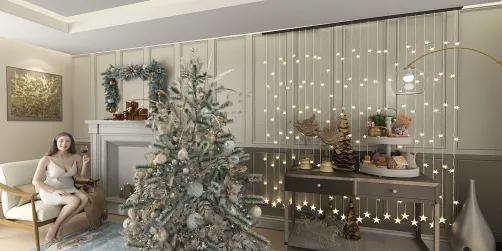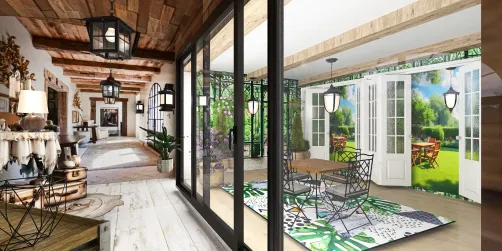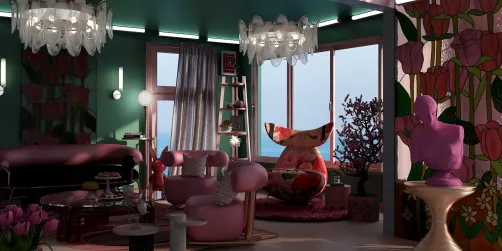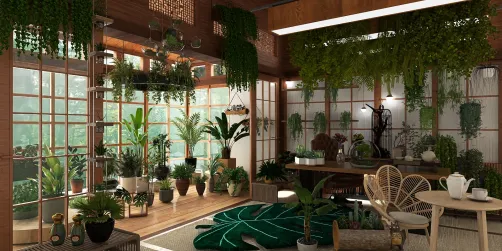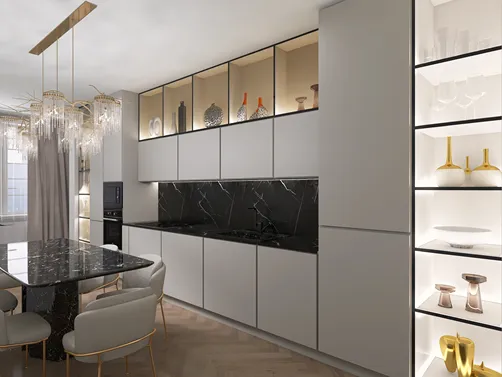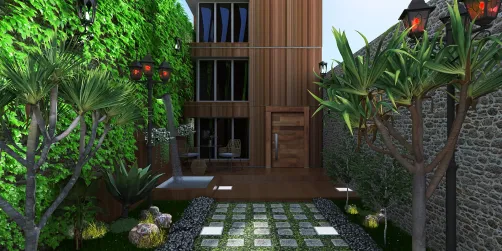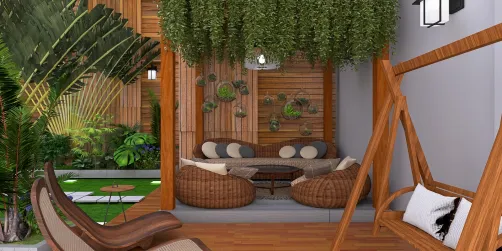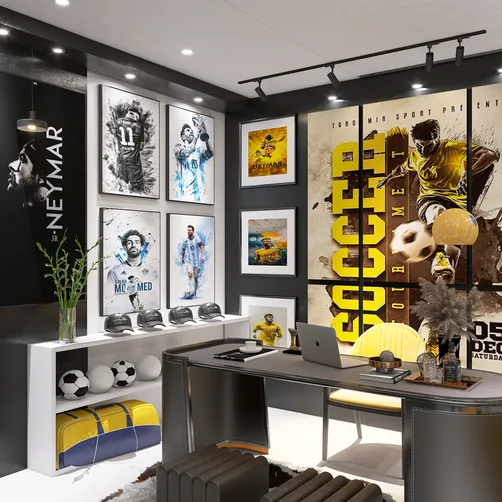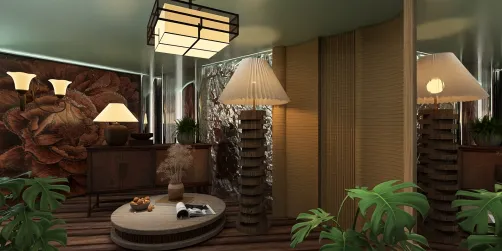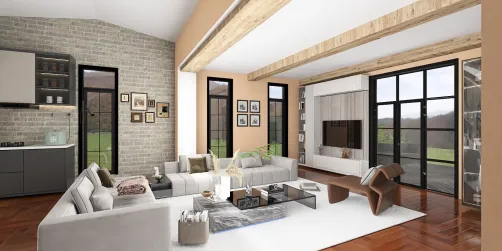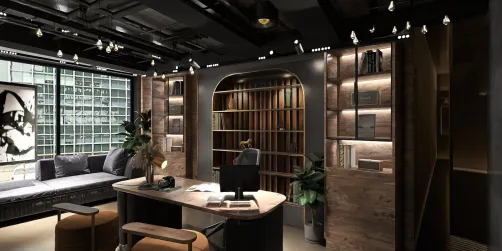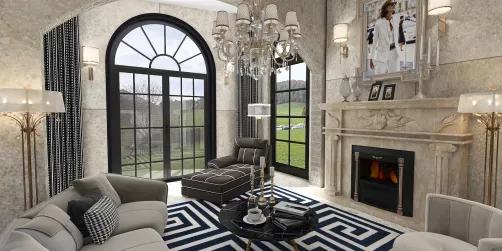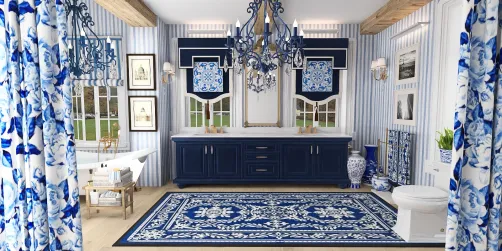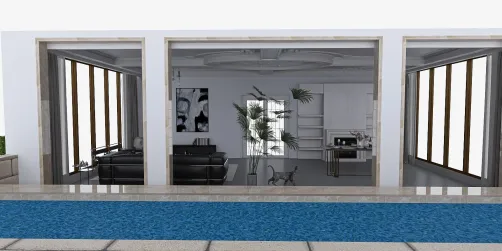
The future continues to integrate with our everyday routines, even as elements like stairs, noise, and storage present challenges. To address these issues, I conceptualize treehouse apartments as elevated living spaces that help ease those transitions. Research from NAHB suggests that prospective renters value adaptable layouts and sound acoustics more than just larger living areas—highlighting that the intelligence behind the design is more significant than mere size in treehouse apartment floor plans. The future is approaching, and I am already navigating it using a spatial reasoning toolkit that interprets each unit similar to initial coding for our lifestyles.
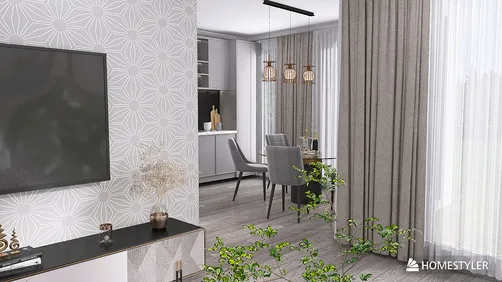
Canopy Studio: Split-Level Micro Core
Design Logic: Elevate the living area by half a level to access sky views and enhance privacy; the sleeping area remains low, like a secure core supporting a dynamic user interface. Future balconies could serve as sheltered workspaces that remain open yet protected from the elements.
Flow: Entry → gear alcove → kitchenette spine → elevated lounge → balcony pod → laddered sleeping area; a streamlined sequence of steps with few diversions.
Sightlines: Upon entering, one's gaze rises to canopy windows before settling on a compact horizon; side views reveal greenery as the key visual layer.
Storage: Integrated toe-kick drawers, stair treads functioning as storage, and overhead rail bins; storage is maximized vertically, decreasing delays by keeping items close to their usage points.
Furniture Fit: A 72-inch sofa, a drop-leaf table, and a 30-inch desk slab; every piece accommodates necessary clearances much like API limits ensure uninterrupted flow.
Verdict: Within five years, this micro-core will be recognized as a stable operating system: compact, quiet, and perpetually updated through modular additions rather than mere expansion.
save pinOpen in 3D Planner Processing...
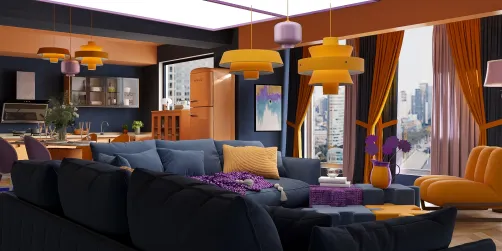
Branch-Linked One Bedroom: Loop Circulation
Design Logic: A circular corridor helps eliminate backtracking, transforming edges into adaptable niches for future purposes such as workspaces, yoga areas, or stroller parking without interfering with the layout.
Flow: Porch → utility area → kitchen island → living circle → bedroom → bathroom → returning to utility; this closed loop keeps living routines adjustable.
Sightlines: Key views extend from the living space to treetops; cross angles skim over kitchen elements and bedroom fabrics, layering tranquility above practical cues.
Storage: A wall-deep pantry, sleeping area cubbies, and vertical hall lockers; storage aligns with daily timings—morning, afternoon, and evening.
Furniture Fit: An 84-inch island, an 8-foot media wall, and a queen bed with a 24-inch side clearance; dimensions are meticulously organized like negotiation agreements among functional zones.
Verdict: This loop design enhances the apartment’s perception of space; future residents will be able to interchange modules without disrupting the central flow.
save pinOpen in 3D Planner Processing...
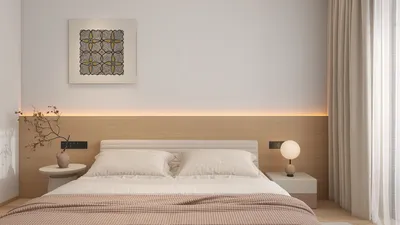
Skybridge Two Bedroom: Shared Spine, Split Privacy
Design Logic: A central bridge connects living, dining, and workspace while bedrooms extend at either end for sound privacy—modern hybrid lifestyles require both social engagement and solitude.
Flow: Entry → bridge gallery → kitchen area → living space → children's room entrance → primary suite entrance → deck; a primary pathway with two protected offshoots.
Sightlines: An extensive axial view leads to canopy light; cross-views navigate transparency—public areas are bright and inviting, while private spaces remain subdued, akin to toggled user interface layers.
Storage: Bridge cabinets, under-seat bins, and wardrobe towers; storage is tiered according to frequency of use (daily, weekly, seasonal) to avoid clutter.
Furniture Fit: A 96-inch dining table, adaptable sofa clusters, and options for bunk or twin beds; dimensions are designed with maneuverability in mind to avoid congestion in family areas.
Verdict: The central spine adapts to varying uses—school, remote working, dining—providing stability while functions can easily shift as required.
save pinOpen in 3D Planner Processing...
Final Takeaway
The evolution of treehouse apartment floor plans will focus less on increasing square footage and more on refining their interfaces—the flow, storage solutions, and sightlines that determine everyday usability. Elevated living requires layouts that function as resilient systems, with furniture and storage considered integral parts rather than afterthoughts. From my experience, the most intelligent elevated homes evoke a sense of lightness while being structurally precise, with minor design choices significantly transforming the way individuals experience their living spaces. Utilizing tools like Homestyler, designers can visualize and create these innovative layouts effectively.
Explore your design creativity with Homestyler! This user-friendly online platform offers powerful design tools, stunning 3D renderings, and a wealth of DIY video tutorials to help you visualize and create your perfect living space—ideal for both beginners and experienced designers alike!