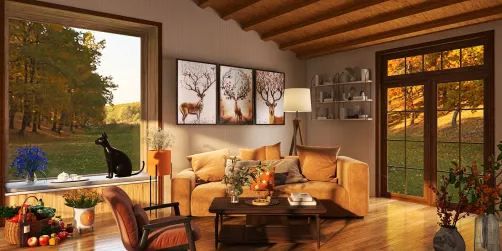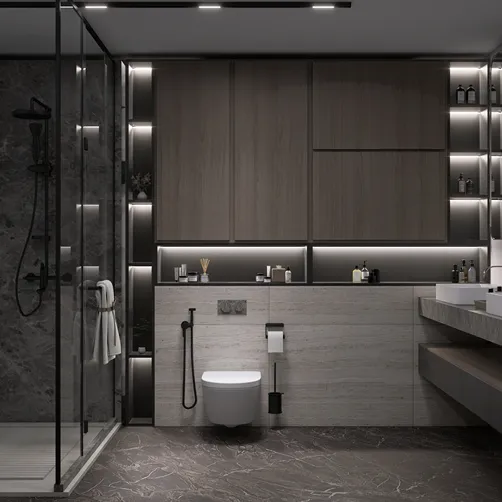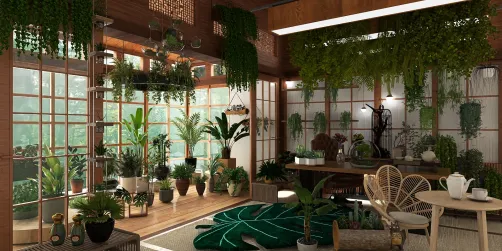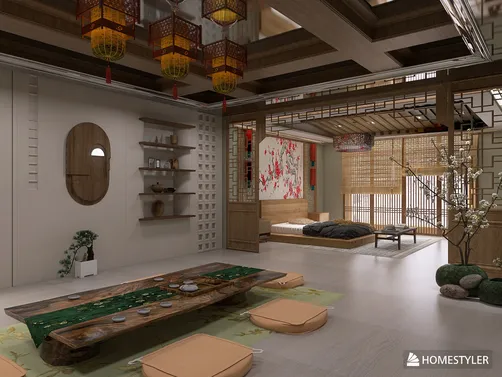
As the future continually demands less space, our expectations for living arrangements are simultaneously increasing, making every space-saving decision crucial. The National Association of Home Builders (NAHB) notes that the average size of new homes has steadily declined from its peak, indicating a trend toward more efficient and compact designs. In this context, 600 square foot house plans with two levels illustrate an early framework for future living environments. I think of these homes as intricate interfaces, where one level caters to social interactions and the other provides a serene retreat. The push from the future is palpable, and I am already conceptualizing designs that accommodate it using tools like Homestyler.
Split-Level Social Core + Lofted Rest Module
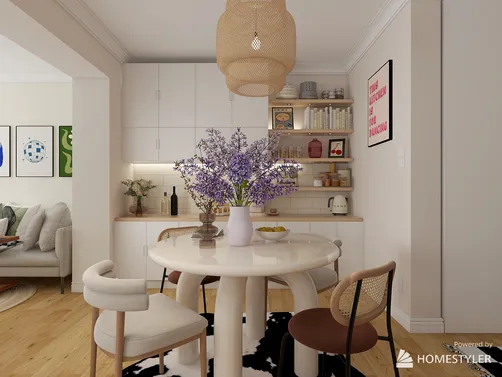
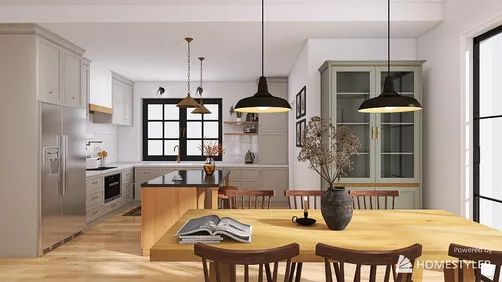
Design Concept: The ground floor serves as the communal area, featuring a kitchen, compact dining space, and a flexible lounge, while the upper loft is designated for sleeping; future living patterns require distinct separations.
Circulation: The pathway flows from the entrance to a drop zone, through a galley kitchen, to a dining node, leading into the lounge, ascending towards the loft; this design allows for seamless movement without interference, facilitating both social and nightly routines.
Sightlines: An angled axis from the kitchen to the window and an open stairwell maintain transparency throughout the design, allowing for natural light and a sense of depth akin to a well-organized information structure.
Storage Solutions: Incorporating toe-kick drawers, stair tread storage, and a cabinet along the loft rail; this setup hides capacity while enabling quick access.
Furnishing Specifications: A sofa measuring 72 to 78 inches, a 30-inch drop-leaf table, and 24-inch narrow appliances—these elements are carefully aligned to maximize movement efficiency.
Conclusion: In five years, this design will undoubtedly seem essential: a vibrant social area on the ground floor and a lofted sleeping space above, with restorative quiet always within reach.
save pin
Micro Suite Down + Work Above
Design Concept: The primary sleeping area on the lower level accommodates aging residents, while the upper floor transforms into a versatile studio or office, adaptable for guest accommodations; resilience emerges as a defining trend.
Circulation: The flow follows from the entrance into a pocket foyer, through a bathroom and bedroom, leading to the staircase, studio, and terrace; this organizes focus and rest as separate elements in the living process.
Sightlines: Lower windows facing the street paired with high clerestories above enhance privacy and capture changing skies, impacting both time perception and mood.
Storage Solutions: Incorporating wardrobe-depth wall storage, niche grids in the bath, and overhead bins in the studio; the design effectively organizes based on usage frequency rather than sheer volume.
Furnishing Specifications: A full bed with an 18-inch clearance on one side, a 48-inch desk, and a foldable guest daybed; these constraints allow for smooth transitions while minimizing disruption.
Conclusion: This design considers remote work as the new norm, converting available space into calm, well-organized areas for fulfilling tasks.
save pin
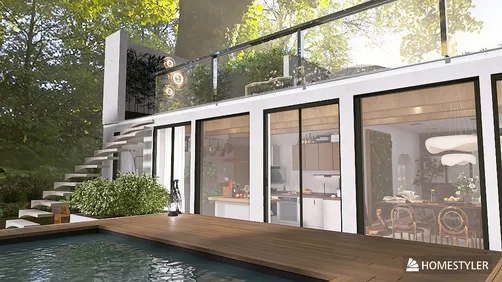
Dual-Use Stair Spine + Convertible Nodes
Design Concept: Centrally located stairs serve as the primary vertical circulation; the left side offers kitchen and living spaces, while the right side includes compact bathroom and storage; upstairs, a convertible room can transform from a sleeping area to a media space.
Circulation: The pathway proceeds from the entrance through the central stair, branching left for cooking and dining and right for washing and storage. The ascent leads to a multifunctional room, ensuring routes are direct and smooth.
Sightlines: The central spine aligns views from the entrance to the rear window, simplifying the design by minimizing distractions from adjacent areas.
Storage Solutions: Utilizing wall niches along the spine, a dedicated bath tower, and overhead kitchen racks; storage is positioned to facilitate accessibility with a single movement.
Furnishing Specifications: A wall-mounted console, a 20-inch deep pantry, and a queen-sized Murphy bed with a 36-inch swing path; each design decision is made with precision to ensure every detail functions smoothly.
Conclusion: Versatile nodes allow a 600 square foot home to adapt over time, enabling spaces to shift functions as lifestyles evolve.
save pin
Final Thoughts
Designing 600 square foot house plans with two levels is not merely about minimizing space, but rather about skillfully organizing living areas into distinct layers, where social interaction and peaceful solitude each find their rightful places. Variants such as dual-story tiny home designs and compact vertical cottages illustrate how effective flow, optimized sightlines, and strategic storage are essential for luxurious living in small spaces. Important features—like stairs designed for aging-in-place and remote work-friendly terraces—are incorporated into the design from the start. From my perspective, the most intelligent homes of the future will not necessarily be larger, but will be more intentional in their use of space, ideally represented in tools like Homestyler.

Homestyler is your go-to online home design platform, perfect for both novices and experienced designers. With its user-friendly design tool, stunning 3D renderings, a plethora of design projects, and informative video tutorials, turning your home design dreams into reality has never been easier!














![[For dear Adelina madee 🤎]](https://hs-designs.homestyler.com/production/design/images/8a07e535-9cbc-4132-a42a-5932dac3a112/1706972286037.jpg?x-oss-process=image/resize,w_502,m_mfit/format,webp)