As we move into the future, the pressures of rising energy costs and limited space shape the living conditions of today’s residents, who strive to balance privacy with flexibility. According to AIA's 2023 Home Design Trends Survey, there is a growing preference for adaptable spaces, especially in smaller homes. This is where a thoughtfully designed 900 square foot house plan, featuring two levels and a north-facing aspect, serves as an experimental living space. My spatial reasoning toolkit underpins each choice I make; the blueprint acts as a foundation for my future routines. It’s fascinating how the term 'north-facing' evolves into a climatic interface rather than just a directional marker, particularly when using the Homestyler application to visualize these elements.
Ground-Floor Social Grid
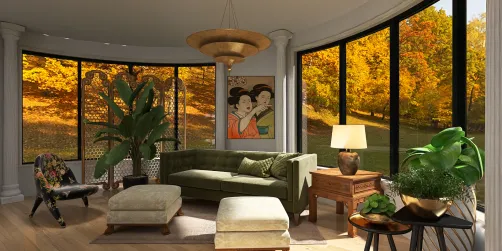
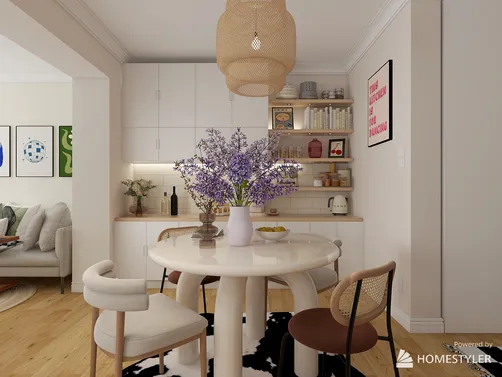
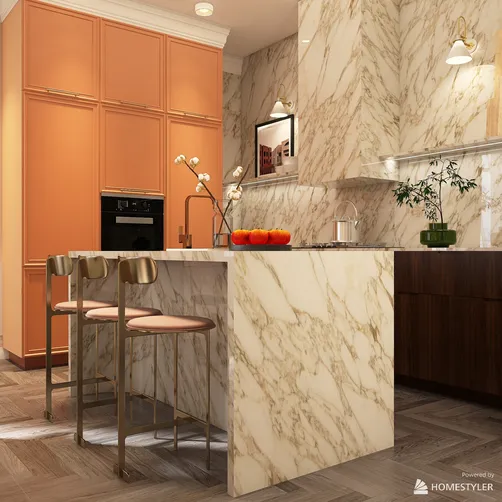
Design Logic: The north-facing façade helps to reduce glare, allowing me to position the living and dining areas along the cooler side while having the kitchen centrally located for optimal thermal balance and community interaction. Flow: The movement through the home follows a sequence: entry→drop zone→living→galley kitchen→rear patio, minimizing cross-traffic similar to an efficient instruction set. Sightlines: As you enter, multiple views emerge: a low sofa, a central island, and stair risers create layered perspectives without overwhelming senses. Storage: Cleverly designed, a stair-under pantry and wall niches function like cache lines for quick access to daily items. Furniture Fit: Arranging a 72-inch sofa with a 36-inch clearance around a 60-inch table ensures an open bandwidth for movement. Verdict: This level efficiently compiles a social code prepared for gathering meals, transitioning for remote work, and utilizing natural daylight effectively.
save pin
Upper-Level Quiet Stack
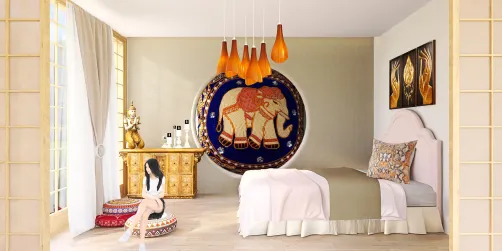
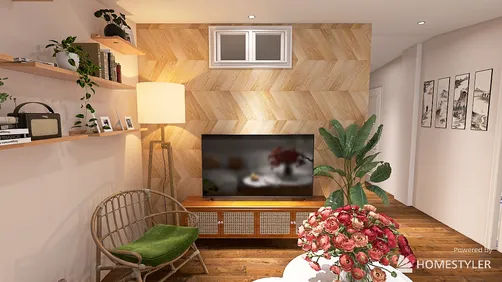
Design Logic: Two bedrooms are intentionally separated for better acoustic isolation, with a shared bath buffering them and north-facing windows providing gentle illumination. Flow: The layout includes a stair landing, linen cache, primary bedroom, shared bath, and a secondary room, creating a loop that minimizes backtracking. Sightlines: The longer perspective from the landing to the window establishes a calming hierarchy, resembling a streamlined dashboard. Storage: Built-in wardrobes with a depth of 24 inches and overhead bins create a tiered storage solution ideal for memory and organization. Furniture Fit: A queen bed measuring 60×80 with 30 inches of clearance alongside desk niches measuring 48 inches wide—these features transform the space into future work nodes. Verdict: A focus on privacy, concentration, and restful sleep aligns to create a stable environment for hybrid living over the next five years.
save pin
North Elevation as Climate Interface
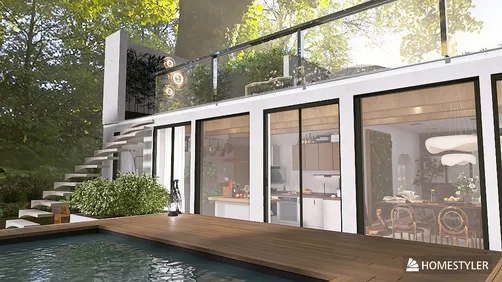
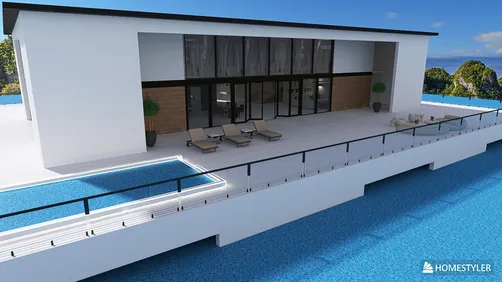
Design Logic: Incorporating a shaded porch, high-efficiency glazing, and vertical fins allows the north elevation to act as a thermal barrier. Flow: The approach to the home follows a path that transitions gently through the porch threshold and entry, providing a relaxed adjustment from the outside world to the interior. Sightlines: The layered façade depth through planters, railings, and mullions provides information in bands, avoiding visual noise. Storage: An exterior bench equipped with hidden cubbies and a bike rack exemplifies edge caching for items on the move. Furniture Fit: With porch seating at an 18-inch height and 24-inch side tables, the proportions maintain clarity in interface design. Verdict: This north-facing side effectively regulates the home’s environment, lowering glare while stabilizing temperatures and allowing for a soothing interaction with the surroundings.
save pin
Final Takeaway
A 900 square foot house plan with two stories and a north-facing orientation functions like an efficient operating system, promoting comfort and adaptability with minimal resource consumption. In this strategic design, small choices—like window sizes, stair caches, and desk nooks—subtly redirect daily routines toward resilience. These compact two-level homes don't diminish future possibilities; instead, they enhance them, particularly when the façade is designed with thoughtful climate logic. I’ve learned that the most intelligent homes of the future won’t necessarily be larger; they will just be more intentional, especially when planning with tools like Homestyler.
Looking to transform your space? Homestyler offers an incredible online home design tool that lets you craft stunning interiors effortlessly. With impressive 3D rendering, a wealth of design projects, and inspiring DIY video tutorials, it’s the perfect platform for bringing your creative visions to life!














![[For dear Adelina madee 🤎]](https://hs-designs.homestyler.com/production/design/images/8a07e535-9cbc-4132-a42a-5932dac3a112/1706972286037.jpg?x-oss-process=image/resize,w_502,m_mfit/format,webp)