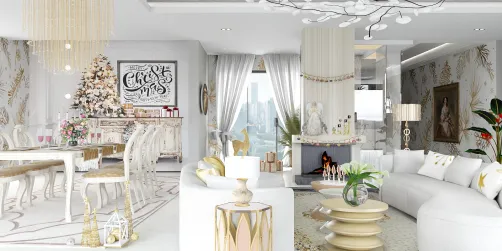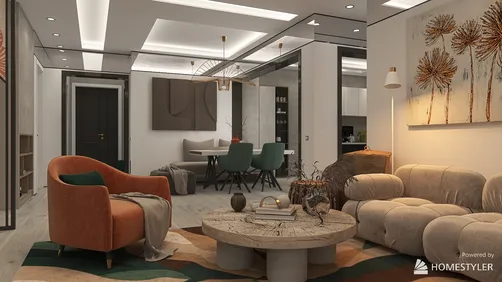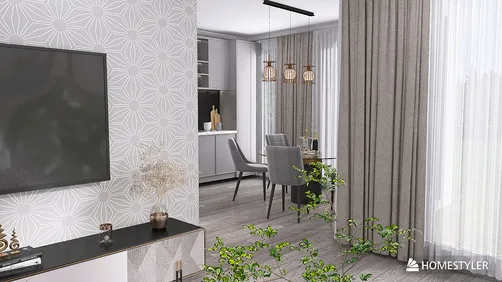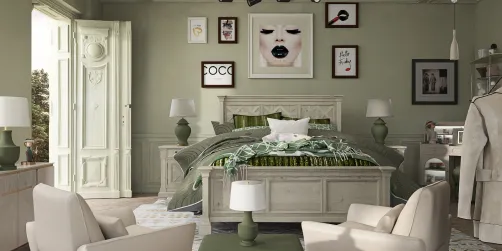
As urban spaces become increasingly constrained, families are facing challenges related to multigenerational living, lack of privacy, and maintaining comfort in humid climates. To address these issues, I envision homes that serve as prototypes for the future. Insights from the NAHB survey indicate a growing preference for first-floor primary suites, which cater to the accessibility needs of small-lot housing—illustrated perfectly by home plans like the master bedroom layout featured in a 5-cent Kerala lot, signaling a significant shift in home design. This is where Homestyler comes into play, providing innovative solutions for spatial reasoning.
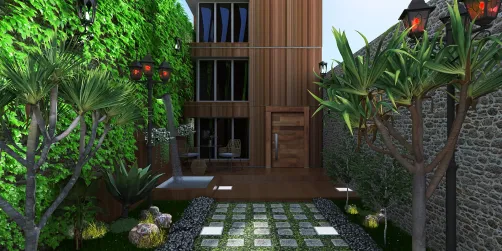
Courtyard Spine with Grounded Master
Design Logic: A linear spine connects the entryway, a semi-open courtyard, and the ground-level master suite. By utilizing cross-ventilation strategies, the design complies with Kerala's humid climate and limited plot sizes.
Flow: Entry → living area → courtyard node → master suite; the kitchen branches from the spine for efficiency; separate stair and guest zones ensure that daily activities do not conflict.
Sightlines: Layered perspectives provide a filtered view from the living space to greenery, leading to the screened edges of the master suite; privacy levels can be compared to a user interface permission system.
Storage: Cleverly designed solutions like under-stair storage, wall-depth wardrobes, and utility niches adjacent to the courtyard function as low-latency organization systems for daily essentials.
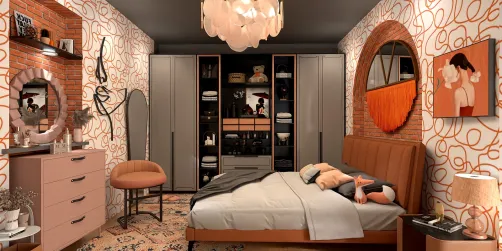
Furniture Fit: The master bedroom accommodates a 78x72 bed, 24-inch side tables, with 18-inch clearances; louvers serve as breathable interfaces between the home and monsoon weather.
Verdict: Looking ahead five years, the design supports aging in place effortlessly, while the courtyard maintains thermal stability without over-complicating systems.
save pin
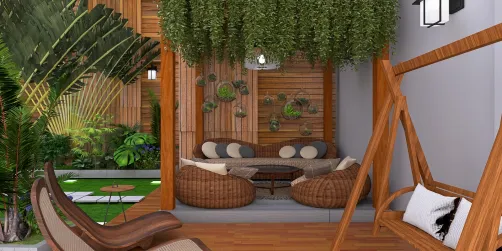
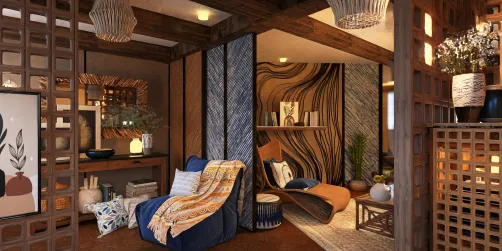
Split-Zone Living with Service Alley
Design Logic: A clear distinction is made between public and private spaces; a service alley connects the kitchen, wash area, and external entry, ensuring the master suite has a serene environment at ground level.
Flow: Porch → living area → dining hub → kitchen/service; the master suite is accessed from the rear, while stairs protect the upper levels from guest traffic—ensuring privacy.
Sightlines: Diagonal sightlines from the door to the dining space are designed to avoid penetrating the master suite; sliding screens function like toggles, managing the flow of information.
Storage: A tall pantry, integrated bed-base drawers, and a linen tower near the bathroom are thoughtfully arranged to streamline daily routines and reduce clutter.
Furniture Fit: The design incorporates a compact 84-inch sofa set, a foldable dining table for six, and maintains 30-inch pathways; wardrobe depths of 24 inches correspond with the wall grid to optimize space.
Verdict: This interface skillfully separates hospitality from relaxation; during monsoon seasons, the routing of services ensures smooth operations similar to well-coded software.
save pin
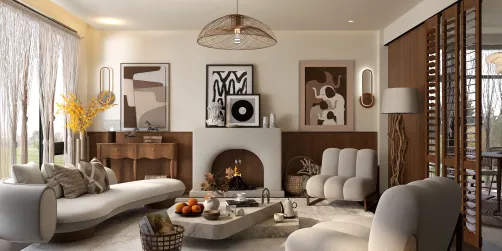
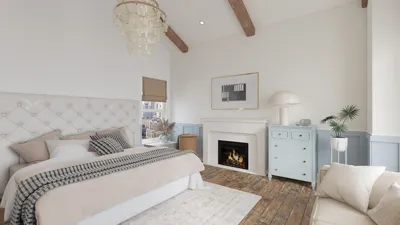
Front-Veranda Buffer with Rear Garden Edge
Design Logic: The veranda acts as a thermal shield; the master suite is strategically placed near the rear garden to absorb noise and heat—functioning as a natural filter for a compact 5-cent plot.
Flow: Veranda → living space → kitchen core → rear garden → master suite; guest accommodations are positioned upstairs, maintaining a separation of functions within the house.
Sightlines: Soft, staggered views connect the street to the veranda, the veranda to the living room, and the living room to the garden; the master suite benefits from views of greenery rather than street traffic.
Storage: Utility spaces near the garden, lofted areas, and bath niches provide easily accessible storage solutions that minimize retrieval time for everyday items.
Furniture Fit: A platform bed with a 36-inch clearance, paired with a slim console and wicker chairs under the veranda, features materials that withstand humidity like durable APIs.
Verdict: The master suite backed by the garden offers tranquility; future residents gain privacy without the need for enlarged spaces.
save pin
Final Takeaway
In summary, designing a home plan that features a ground-floor master suite on a 5-cent lot in Kerala is not merely about layout; it represents a responsive living solution that harmonizes climate, privacy, and functionality seamlessly. As the requirements of multigenerational families progress, small-lot designs like these, enhanced by Homestyler’s innovative tools, transform limitations into intentional design, making accessibility the foundational principle. The most advanced homes will feel airy and precise, proving that even modest spaces can meet modern needs; based on my experiences, the first-floor master suite is crucial for fostering a humane and functional living environment.
If you're looking to transform your home effortlessly, Homestyler is your go-to platform! This user-friendly online design tool allows you to create stunning interiors with ease. Explore endless design projects, enjoy impressive 3D renderings, and learn through DIY video tutorials—perfect for every home designer!