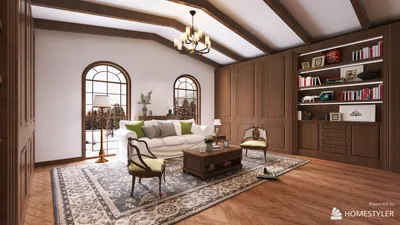


Throughout my career as an interior designer, I've witnessed incredible transformations in small living rooms, turning them into both stylish and practical areas. Working within limited spaces encourages us to be more inventive, and I genuinely believe that with smart planning, your compact living room can truly shine. Today, I'll present 10 innovative small living room storage solutions inspired by actual projects I've completed, along with expert insights to enhance your decor.
1. Built-In Floating Shelves
My Perspective: In a project within a city apartment, I incorporated built-in floating shelves above the sofa that provided surprising storage options without constraining the space. Their combination of functionality and beauty is a feature I greatly appreciate.
Advantages: Floating shelves conserve valuable floor space while introducing vertical storage – an excellent strategy for optimizing unused wall areas. As detailed in Architectural Digest, utilizing vertical elements is crucial in small room storage techniques.
Disadvantages: Care should be taken not to overload these shelves, as too many items can lead to a cluttered appearance.
Recommendation: Choose a color palette that matches your walls for a cohesive aesthetic, similar to the minimalist shelving designs in modern living rooms.
2. Multi-Functional Furniture
My Insight: On one occasion, I designed a living room featuring a coffee table that concealed a storage compartment, which quickly became the client’s favorite element. Multi-functional furniture is a game changer in smaller spaces.
Pros: These pieces serve dual purposes, helping to conserve space and minimize clutter. Many long-tail searches highlight "storage ottomans for small living rooms" for good reason—they are quite effective.
Cons: Some multi-functional items may be bulkier and challenging to maneuver, and not every design seamlessly integrates with all decor styles.
3. Hidden Storage in Seating
My Experience: In cramped family spaces, I often add benches that lift to unveil storage for toys or blankets, keeping essentials close yet out of view.
Advantages: Ideal for quick tidy-ups before guests arrive, bench storage is especially useful in multi-purpose areas.
Drawbacks: Storage seats may sacrifice some comfort due to less cushioning, which can be a consideration for long-term lounging.
4. Corner Shelving Units
My Opinion: I've successfully placed corner shelving in tight areas to showcase plants and books, effectively utilizing otherwise wasted space.
Pros: These units help transform neglected corners into functional decorative spaces, which is beneficial in rooms with limited wall lengths.
Cons: However, they are not suitable for larger items, as the shelves tend to be smaller in size.
5. Under-Window Cabinets
My Take: Installing a low-profile cabinet beneath a window in a cozy loft provided extra storage while allowing for a pleasant seating area.
Benefits: This design maintains natural light and offers hidden storage—a combination that is quite rare. In many Scandinavian-inspired small living rooms, this approach is a common choice.
Cons: Custom cabinetry can be expensive and requires precise measurements to ensure a perfect fit.
Tip: Decorate the top with cushions for additional seating during gatherings.
6. Wall-Mounted Media Units
My Experience: I revamped a cluttered small condo with a wall-mounted media unit that floated above the floor, giving it a chic appeal.
Pros: Elevating storage units contributes to an airy feel and visually enlarges the floor space. Custom-built entertainment walls work particularly well in this scenario.
Cons: This type of storage must be securely supported by the wall and requires accurate installation for optimal stability.
7. Nesting Tables with Storage
My Take: Nesting tables that neatly tuck into one another are versatile for both storage and serving needs—it’s one of my favorites.
Benefits: They offer varying surface levels without leaving permanent clutter behind. Some designs cleverly hide compartments for items like remotes or keys.
Drawbacks: They typically provide less storage capacity than larger furniture pieces.
8. Modular Storage Cubes
My Insight: For a student apartment, I implemented modular cubes that could be reconfigured as needed—providing storage that adapts over time.
Benefits: These offer shapeshifting possibilities, allowing for easy expansion. They are particularly great for renters as they require no installation.
Cons: However, if not styled carefully, they can appear chaotic if there are too many colors or mismatched designs.
9. Behind-the-Door Organizers
My Experience: In ultra-tiny spaces, I install slim organizers on the backs of doors to store accessories, cleaning items, or media—they’re incredibly practical.
Pros: This approach taps into overlooked areas and is quite cost-effective.
Cons: They are only effective for lighter items.
10. Tall Slim Bookcases
My Take: Opting for a tall, slim bookcase beside the sofa in my last project added distinctive character and significant storage.
Benefits: It draws the eye upward, creating the illusion of higher ceilings, and meshes well with styles like mid-century modern or minimalist. In one project, I complemented it with wood-tone finishes to establish a warm, inviting atmosphere.
Cons: It's essential to securely anchor tall bookcases to prevent tipping, especially in homes with children.
Conclusion
Ultimately, a small living room shouldn't be seen as a limitation but rather as an opportunity to leverage creativity in design. As highlighted by House Beautiful, smaller spaces often inspire the most innovative solutions. Which of these 10 ingenious storage ideas would you consider implementing in your home?
FAQ
1. What affordable small living room storage solutions are effective?
Incorporating floating shelves, behind-the-door organizers, and modular storage cubes can present budget-friendly options that maintain style.
2. Can multifunctional furniture effectively save space?
Absolutely! Items like storage ottomans or lift-top coffee tables offer dual benefits, which are essential in compact environments.
3. How should I choose the right storage solutions for my small living room?
Take accurate measurements of your space, opt for vertical storage solutions, and select items that won’t overwhelm the room's proportions.
4. Are built-in storage units a worthwhile investment?
As reported by Houzz, built-ins can greatly enhance both storage capacity and property value, particularly in space-limited homes.
5. Is it possible to blend open and closed storage units effectively?
Definitely—open shelving can showcase decor while closed cabinets provide hidden organization, balancing aesthetics with practicality.
6. What materials are best suited for furniture in small living rooms?
Select lighter materials such as wood, glass, and metal frames to maintain an airy visual feel in the space.
7. How can I avoid a cluttered feeling in a small living room?
Limit your color palette, assign designated spaces for items, and refrain from overcrowding surfaces with decorations.
8. Are storage strategies different for rental spaces?
Yes, it’s best to focus on non-permanent options like freestanding modular cubes or stylish portable shelving that can be easily moved when you relocate.
Looking to transform your space? Homestyler is your go-to online design platform! With its easy-to-use design tool, stunning 3D renderings, and a wealth of inspiring design projects and DIY video tutorials, you can effortlessly bring your interior visions to life. Start designing today!
Diseño ahora GRATIS
































