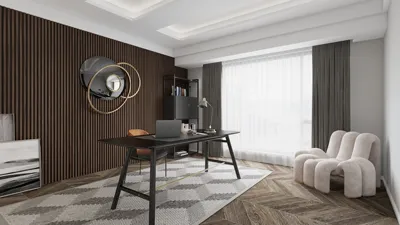


At one point, I had a client who envisioned their reception area resembling a cozy private study — complete with towering bookshelves, a stately wingback chair, and a massive mahogany desk that was impossible to fit through the door. I chuckled, sketched some ideas, and then transformed that unique vision into a functional reception space by starting with an office workflow map. This map outlined sightlines and circulation paths before anything else was put into place. Managing small spaces can truly spark creativity, leading to innovative solutions for law office furniture design.
1. Library-style Reception Featuring Concealed Storage
I truly appreciate a reception area that feels like a library — it conveys seriousness without being overly loud. Incorporating built-in cabinetry with hidden filing drawers and sleek display shelves helps keep case files and promotional materials organized, while a simple sofa paired with two armchairs creates a welcoming atmosphere that doesn’t feel cramped.
However, the trade-off here is the expense: custom cabinetry can stretch the budget, but you can achieve a similar look with modular shelving and veneer finishes. My advice is to design the shelving around standard sizes for file boxes to streamline the space effectively.
save pin
2. Partner Desks That Serve as Conference Tables
In smaller boutique practices, every inch of space matters. I frequently swap out bulky conference tables for extendable partner desks that can be securely joined together as needed. This arrangement maintains ergonomic workstations while also allowing quick setup for client meetings.
It’s a balancing act — sacrificing the formal boardroom atmosphere in favor of increased flexibility. For firms that oscillate between independent tasks and collaborative efforts, this compromise proves to be quite effective.
save pin
3. Private Alcoves for Client Meetings
Not every consultation needs to be conducted in a traditional office setting. I create private acoustic alcoves with high-backed seating and a small round table for more personal discussions. These nooks offer a sense of seclusion and help mitigate the need for an excess of private offices.
Using acoustic panels and strategically placed plants can enhance sound control; however, true confidentiality necessitates dedicated offices for sensitive matters. To quickly visualize layout modifications, I often utilize 3D floor mock-ups, allowing partners to see how these nooks and desks will integrate.
save pin
4. Ergonomic Workstations for Extended Research Sessions
Lawyers spend long hours in front of screens; hence, investing in ergonomic chairs, adjustable monitor arms, and sit-stand desks is crucial. I emphasize selecting quality chairs first as a means to safeguard staff health and minimize downtime.
Although the initial outlay might be higher, the resulting staff satisfaction and reduction in back pain complaints make it a cost-efficient choice in the long run. If finances are limited, consider starting with ergonomic chairs and gradually incorporate height-adjustable desks.
save pin
5. Multifunctional Support Areas (Printing, Storage, Briefing)
Creating a compact support hub that integrates printing facilities, courier drop-off, and briefing areas can conserve space and enhance workflow efficiency. Think of it as a librarian's station designed for legal practice: organized, accessible, and streamlined.
Effective zoning is key: clear signage and organized cable management maintain a tranquil environment. To prototype layouts for clients, I typically employ detailed room planning tools to ensure both equipment access and pedestrian movement remain unobstructed.
save pin
FAQ
Q1: What essential furniture items should a small law office include?
A: Focus on acquiring a comfortable ergonomic chair, a robust desk (or a sit-stand variant), sufficient filing/storage options, and a professional reception setup. These elements contribute to a healthy work environment for staff while also making a positive impression on clients.
Q2: How can I enhance a small office's professional appearance without a large budget?
A: Concentrate on cohesive finishes, adequate lighting, decluttered surfaces, and a standout piece such as a stylish reception desk or a wall of books. Fresh paint and hardware updates can create a significant impact on a budget.
Q3: Are modular furniture systems suitable for law firms?
A: Absolutely — modular systems are versatile, allowing for reconfiguration as your firm expands, and often incorporate built-in cable and storage solutions. The primary challenge lies in choosing durable finishes that can withstand frequent use.
Q4: What is the best way to store files while ensuring confidentiality?
A: Implement lockable cabinets for active files and ensure archived records are stored securely offsite or in the cloud. It’s important for staff to adhere to a clear check-in/check-out process for paper files to maintain the integrity of the chain of custody.
Q5: What ergonomic standards should be followed at lawyer workstations?
A: Strive for monitor heights that are level with the eyes, maintain neutral wrist positions while typing, and use chairs that support the lumbar area. The U.S. Occupational Safety and Health Administration (OSHA) provides useful guidelines on ergonomic best practices applicable to office environments (https://www.osha.gov).
Q6: What budget considerations should a small firm allocate per workstation?
A: It’s advisable to budget around 10–20% more than a basic setup to accommodate ergonomic chairs and high-quality desks; prices can vary significantly based on the market. If funding is tight, prioritize seating, planning to upgrade desks later.
Q7: Can open-plan layouts be effective for law firms?
A: Yes, they can work, but you must incorporate acoustic treatments and private areas to ensure client confidentiality. Open layouts can encourage collaboration but require thoughtful zoning to safeguard sensitive discussions.
Q8: Where can I find professional layout assistance before purchasing furniture?
A: Collaborating with a designer or utilizing planning case studies along with visualization tools can prevent costly errors and ensure that your furniture choices fit well and function smoothly. For design inspiration, consider exploring professional layout case studies and examples from well-established planners.
save pin
Homestyler is your go-to online home design platform! With its user-friendly design tool, stunning 3D renderings, and a wealth of inspiring design projects and video tutorials, you can effortlessly create your dream space. Transform your home design journey today!
Diseño ahora GRATIS
































