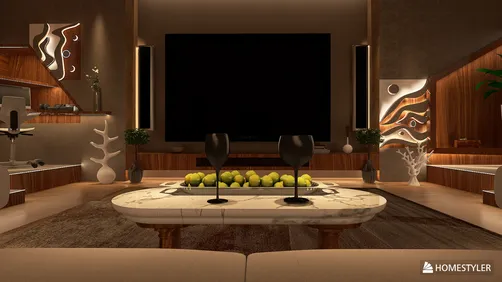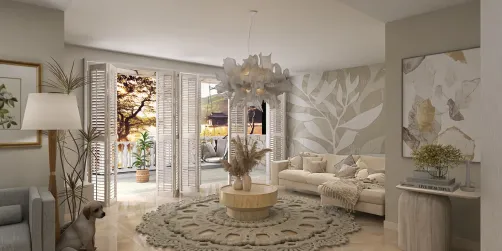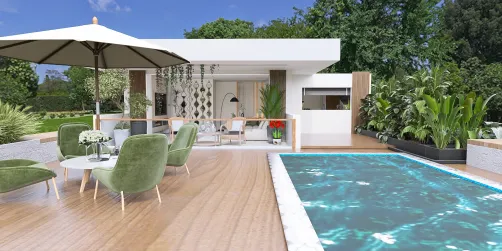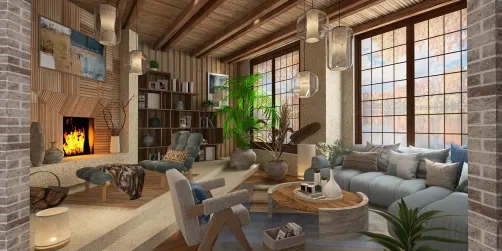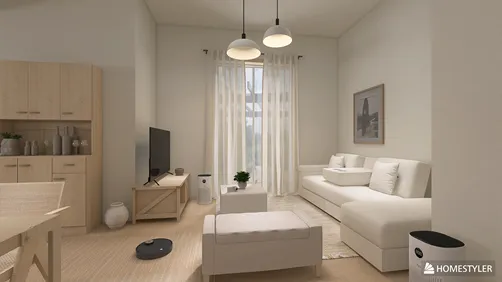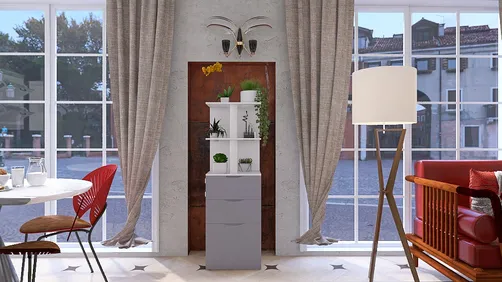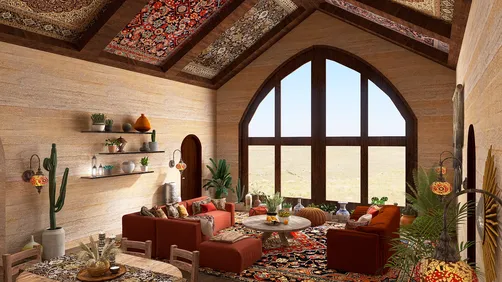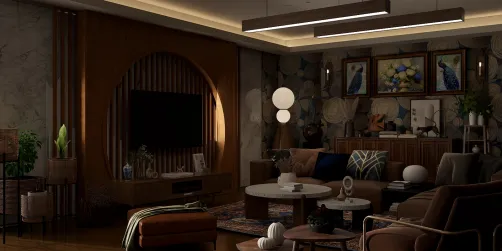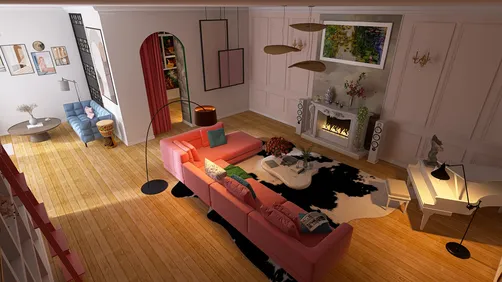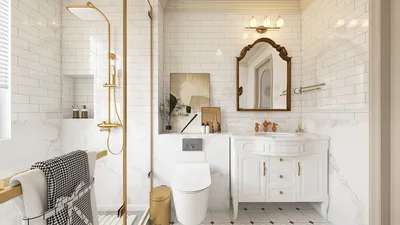
As we move towards the future, smaller homes are transforming into spaces that prioritize both practicality and tranquility. Homeowners in the US are opting for smaller footprints while enhancing functionality, with the NAHB noting a gradual decline in the median size of new homes as focus shifts towards flexibility and efficient storage solutions. A one-bedroom cottage floor plan can be viewed as a blueprint for a simpler, more deliberate lifestyle—where the design of each wall is based on logical reasoning and each entryway serves a unique purpose. My design perspective anticipates the needs of individuals who operate slightly ahead of the digital curve, utilizing a toolkit of spatial reasoning rather than merely counting square footage. Moreover, utilizing tools like Homestyler can assist in visualizing these spaces effectively.
Garden-Forward Axis: Porch → Great Room → Bed Core
Design Logic: Entering through a spacious porch softens climate impacts and offers a mental break, aligning with biophilic design principles and the necessity for analog unwinding before re-engaging with digital screens.
Flow: The transition from porch to open living and kitchen spaces, followed by a brief separation to the bedroom, resembles a function call that sanitizes inputs before the private elements are engaged.
Sightlines: The front entrance highlights the garden, leading diagonally to a windowed cooking wall; the bedroom is situated off-axis, maintaining focus like a hidden feature in a user interface.
Storage: A bench with drawers in the porch, a pantry column for storage, and a linen niche in the hallway are small yet strategically placed to minimize search friction.
Furniture Fit: A 72–78 inch sofa, a 30 inch café table, and a galley setup of 9–10 feet; the queen bed is centered with 24 inch nightstands, establishing spatial limitations that ensure minimal latency.
Verdict: This design supports rituals on the porch, leisurely cooking, and restful sleep—able to adapt to five years of hybrid work and seasonal entertaining without excessive complexity.
save pin
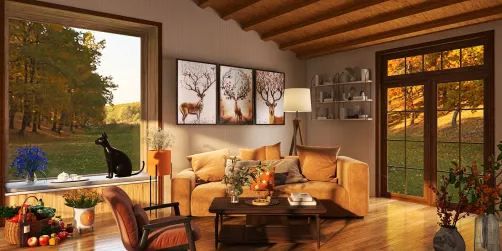
Split Spine: Central Utility Wall with Dual-Use Rooms
Design Logic: A centralized service spine that houses plumbing and HVAC systems optimizes natural light around the edges, enabling future modifications to occur seamlessly without compromising the entire structure.
Flow: Entering a multipurpose space for work and dining, transitioning smoothly to the kitchen along the spine, and then moving to the bedroom; these iterations create predictable movements while avoiding disorganized flow.
Sightlines: A long view that embraces the windowed surroundings; the opaque spine serves as a dark mode—concealing clutter while enhancing daylight around the edges.
Storage: A tall utility locker combined with a stacked washer, a 14 inch deep wall library, and under-cabinet drawers serve as micro-storage solutions to avoid overflow issues.
Furniture Fit: A wall-mounted 48 inch desk, a drop-leaf table measuring 36 inches, and modular 8-foot storage along the central spine; the bedroom allows for a 36-inch clearance around a queen bed for optimal ergonomics.
Verdict: By consolidating utilities, upgrades become akin to software patches, ensuring the cottage remains adaptable as technology, work patterns, and climate solutions change.
save pin
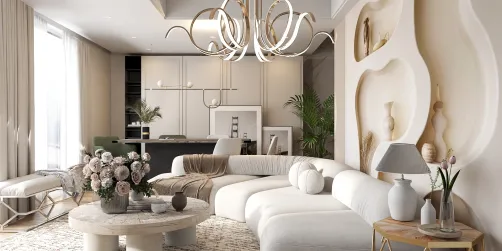
Diagonal Light Scheme: Corner Windows and Pocketed Doors
Design Logic: Corner windows artificially expand the space; diagonal light enhances the perceived area, aligning with wellness data that emphasizes the importance of daylight over mere size.
Flow: Sliding pocket doors facilitate an effortless flow between the living area, kitchen, and bedroom, resembling a user interface that allows uninterrupted navigation.
Sightlines: Views across the corners create a cohesive visual experience; private areas interrupt the flow at a 45-degree angle to maintain intimacy.
Storage: Window-seat alcoves, niches behind the headboard, and ceilings crowned with kitchen upper cabinets accessed by ladder provide a structured storage system from hot to cold environments.
Furniture Fit: An L-shaped 8 foot 5 inch sofa area, a 30 inch circulation halo, and a compact island measuring 24 x 48 inches on wheels; the wall for the bed accommodates 9 feet to fit wardrobes comfortably.
Verdict: Natural light provides significant advantages; five years later, this layout continues to feel spacious because of how light manages the atmosphere within the home, similar to an efficient processor.
save pin
## Final Takeaway
An efficiently designed one-bedroom cottage floor plan functions much like firmware for daily living—minimal, easily upgradeable, and fundamentally human-centric. With various iterations of compact house designs and small cottage layouts, the space transforms into a precise tool rather than a broad metric. The smartest one-bedroom residences will not necessarily expand; instead, they will optimize flow, storage solutions, and lines of sight. In my experience, even minor adjustments—like door styles, storage depth, or window positioning—can fundamentally reshape how my clients interact with their living spaces in the future. Utilizing tools such as Homestyler can greatly enhance the visualization of these vital design choices.

Homestyler is your go-to online home design platform, perfect for all skill levels. Its user-friendly design tool lets you play with layouts, while stunning 3D renderings and a wealth of DIY video tutorials inspire creativity. Design your dream space effortlessly!