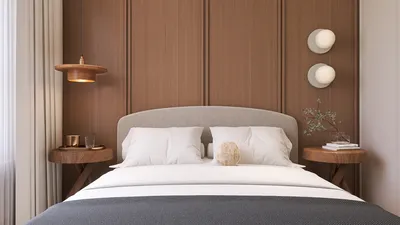


In the realm of modern interior design, neutral hues are dominating the scene. Throughout the last ten years, I've discovered that a compact living room can ignite more creativity than a spacious one—it's all about how you integrate colors and textures. In this article, I’ll unveil 10 ideas for neutral-toned living rooms, based on my personal projects and bolstered by expert insights, helping you craft a serene, inviting, and timeless environment using tools like Homestyler.
1. Warm Beige and Soft Gray Layers
My Experience: I once transformed a tiny 20m² living room solely using beige shades with hints of gray. The secret was in blending various fabrics—think linen sofas, wool carpets, and cotton cushions—to add depth and dimension.
Pros: Beige and gray are incredibly versatile, complementing any style of furniture. The Pantone Color Institute highlights that neutral layers evoke feelings of stability and warmth—ideal for compact spaces.
Cons: Without sufficient texture, this palette can appear dull, particularly in dimly lit rooms.
Tip: Balance the palette with darker wooden elements to counteract a washed-out look. This advice stems from an apartment project where I utilized warm layering techniques effectively.
2. Greige Walls with Black Accents
My Experience: In my studio space, painting the walls with a greige hue and framing artwork in matte black immediately infused a contemporary feel while maintaining comfort.
Pros: Greige meshes well with both warm and cool light; black elements provide strong visual anchors. It works exceptionally well in minimalist designs.
Cons: Excessive use of black may diminish the visual space, so finding balance is crucial.
3. Creamy Whites with Natural Textures
My Experience: A client desired a tranquil beach house vibe in their 25m² area, so we opted for creamy whites accented with rattan, sisal rugs, and driftwood decor.
Pros: Light cream tones reflect brightness, making smaller areas seem more expansive. Research from the Lighting Research Center shows that light neutrals can enhance perceived dimensions.
Cons: Without contrasting accents, it might come across as too bland.
Tip: Introduce accents of muted blue or sage for a refreshing contrast.
4. Taupe with Brass Details
My Experience: I employed taupe walls paired with brushed brass lamps to create a sophisticated, hotel-inspired ambiance in a loft project, avoiding any formal stiffness.
Pros: Taupe is durable and complementary to brass, lending a touch of elegance.
Cons: Brass needs upkeep; fingerprints are easily noticeable.
5. Monochrome Neutrals with Layered Lighting
My Experience: I created a scheme involving black, white, and tan, utilizing layered lighting from ceiling fixtures, wall sconces, and table lamps to add depth.
Pros: A monochrome palette provides a sleek look, while layered lighting ensures a dynamic feel. Research indicates that lighting can alter the perception of wall colors significantly.
Cons: Using cool lighting can render a monochrome scheme too stark.
Tip: Opt for dimmable LEDs to create flexibility in atmosphere—similar to the cozy industrial loft I designed.
6. Soft Clay Tones for Organic Warmth
My Experience: For clients seeking warmth without the intensity of terracotta, clay tones are my preferred choice, brilliantly pairing with raw linen and ceramics.
Pros: Grounded and calming, clay tones are effective at disguising minor wall imperfections, making them suitable for family-friendly environments.
Cons: In poorly lit rooms, they can appear too dark.
7. Sandy Beige with Seafoam Accents
My Experience: Drawing inspiration from coastal themes, I combined sandy walls with seafoam cushions to create a breezy, relaxing ambiance in a compact setting.
Pros: This pairing provides a gentle contrast while staying within a neutral palette, harmonizing beautifully with jute and light wood.
Cons: Some clients may associate this combination too closely with summer, leading to seasonal feelings.
8. Stone Gray with Marble Coffee Tables
My Experience: For a sleek downtown high-rise, setting a cool stone-gray tone and anchoring it with a white marble coffee table delivered effortless sophistication.
Pros: Gray balances neutrality with luxury, and marble introduces a timeless elegance.
Cons: Marble can stain if not properly sealed.
Example: This approach can emulate an organic minimalism that feels upscale yet approachable.
9. Mushroom Gray with Oak Floors
My Experience: I used mushroom gray walls with honey-oak flooring to achieve a gentle contrast—modern yet welcoming.
Pros: It complements most furniture colors; oak flooring introduces natural warmth.
Cons: Requires careful lighting management; cool LEDs can lead to a drab appearance.
10. Off-White with Charcoal Edge
My Experience: In a cozy reading nook designed for a client, painting the trim charcoal against off-white walls provided subtle definition and depth.
Pros: This technique offers visual framing without overwhelming color, remaining timeless for both modern and traditional spaces.
Cons: Precision in painting is necessary for clean edges.
Conclusion
Compact living rooms can be seen as opportunities for inventive design choices rather than constraints. As emphasized by the American Society of Interior Designers, neutral colors offer a timeless backdrop that evolves with changing styles. Which of these 10 neutral living room concepts would you be eager to explore in your own home?
FAQ
1. What are the top neutral colors for a small living room?
Beige, greige, taupe, and creamy whites emerge as the best options, keeping spaces open and inviting.
2. How can I make a neutral living room more engaging?
Incorporate textures such as linen, wool, or rattan, and introduce metallic or wooden accents to enhance warmth.
3. Do neutral colors positively impact resale value?
Indeed, Zillow's 2023 design report indicates that homes decorated in neutral tones tend to sell more quickly.
4. Is it possible to mix warm and cool neutrals?
Definitely—simply maintain a balance; for instance, employ warm beige with cooler gray textiles.
5. What paint finish works best with neutrals?
Eggshell and matte finishes are ideal for walls, while satin is preferable for trim due to its easy maintenance.
6. What lighting works best in a neutral living room?
Warm LED bulbs enhance overall coziness, while layered lighting techniques prevent a flat appearance.
7. How can neutrals harmonize with bold artwork?
Using neutral backdrops allows vibrant art to shine while keeping the space in balance.
8. Where can I find real-life examples of neutral living spaces?
Visit inspiring project galleries showcasing neutral living rooms, like those featured on Homestyler for great ideas.
Homestyler is your go-to online home design platform! With its user-friendly design tool, stunning 3D renderings, and a wealth of inspiring design projects and video tutorials, transforming your space has never been easier. Unleash your creativity and design your dream home today!
Diseño ahora GRATIS
































