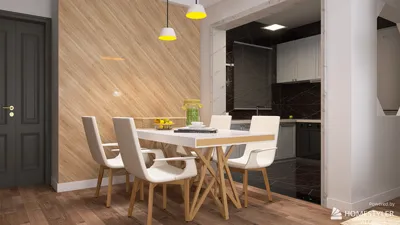


With over ten years of design experience, I have witnessed the evolution of living room wall cutouts from mere architectural oddities to captivating design highlights. In 2024, the trends in interior design emphasize the charm of small spaces and the beauty of integrating elements rather than hiding them, with wall cutouts serving as a perfect illustration. As I often mention, small areas can spark immense creativity. In this article, I will share 10 innovative decorating ideas for living room wall cutouts, inspired by my own experiences and credible industry insights, including ways to utilize tools like Homestyler.
Sleek Minimalist Displays
My Approach: In one recent project, I conceptualized a wall cutout as an artistic frame, harmonizing it with the minimalist theme of the home. Using clean matte white shelves and a few thoughtfully selected decorative items transformed it into a tranquil focal point.
Advantages: This minimalist style enables the wall cutout to seamlessly integrate into modern aesthetics, enhancing the feeling of spaciousness. It’s particularly effective in compact living rooms where excessive visuals can create a sense of crowding.
Disadvantages: Minimalism requires careful moderation—overloading the space detracts from its airy atmosphere.
Dramatic Lighting Features
My Approach: I previously installed slender LED lighting within a rectangular cutout, and the soft glow transformed an underappreciated wall into a conversation piece.
Advantages: Proper lighting highlights architectural features and fosters a cozy evening atmosphere. As highlighted by Houzz’s 2023 design survey, integrated lighting ranks among the top five sought-after upgrades for living rooms.
Disadvantages: Installation can involve complex wiring and potentially professional help, which may increase costs.
Custom Built-in Shelving
My Approach: In redesigning a studio apartment, I repurposed a cutout into a cozy bookshelf, which provided storage without occupying any floor space—an excellent solution for the client.
Advantages: This modification effectively utilizes vacant space for storing books and decorative items, offering a bespoke, upscale touch.
Disadvantages: The permanence of built-ins limits future changes in how the space may be utilized.
Note: Opt for minimalist shelving options to maintain an airy and flexible aesthetic.
Artistic Floating Displays
My Approach: In a unique project, I utilized a wall cutout to frame a hanging sculpture, instantly introducing an eye-catching centerpiece.
Advantages: This unique approach adds an element of drama and individuality, making the living room feel curated. The interplay of shadows from the suspended piece can be truly mesmerizing.
Disadvantages: Precise measurements are essential to ensure that the artwork fits properly and is securely anchored in place.
Showcasing Travel Memorabilia
My Approach: A client who enjoys traveling sought a dedicated space for keepsakes; thus, the wall cutout evolved into a personal storytelling display.
Advantages: This design choice personalizes the living room, adding unique character. Grouping artifacts thematically fosters a sense of visual coherence.
Disadvantages: If too many small items are crammed into the space, it may become visually overwhelming.
Reflective Panels for Enhanced Depth
My Approach: With a mirrored panel at the back of a deep wall cutout, I was able to effectively double the room's perceived depth and reflect light throughout.
Advantages: Mirrors boost brightness and spatial perception, and as noted by Architectural Digest, this design element is popular for amplifying small areas.
Disadvantages: Regular cleaning is necessary due to the visibility of fingerprints and dust on mirror surfaces.
Tip: Pair the mirrored effect with thoughtful furniture arrangements for enhanced spaciousness.
Adding a Bold Interior Color
My Approach: By painting the interior of a wall cutout, the space can shift from subtle to striking—a deep teal I used once instantly invigorated the room.
Advantages: A cost-effective method to create a bold statement; changing paint is an easy way to refresh according to personal preferences.
Disadvantages: Stark colors might overshadow a small space if not balanced with neutral tones.
Indoor Plant Displays
My Approach: I enjoy utilizing wall cutouts to display trailing plants, creating a small indoor garden that saves valuable floor area.
Advantages: This addition infuses vibrancy and vitality into the space; plants not only look good but also help improve air quality.
Disadvantages: Some plants may find it challenging to thrive within the lower light of a cutout; thus, maintenance plays a crucial role.
Example: Introducing greenery can harmoniously complement L-shaped layouts that free up wall space elsewhere.
Textural Back Panels
My Approach: Utilizing materials such as reclaimed wood, stone veneer, and woven panels brought tactile interest inside the cutouts.
Advantages: Textures lend warmth and visual appeal without overcrowding the living space, fitting well with both rustic and modern aesthetics.
Disadvantages: Some textures may pose challenges regarding dust maintenance.
Seasonal Decor Changes
My Approach: One client frequently updates her cutout decor with seasonal themes—from autumn leaves to winter candles and spring blooms.
Advantages: This practice keeps the decor feeling fresh and vibrant; ideal for those who relish seasonal decorating.
Disadvantages: It necessitates storage for off-season decorations and a commitment to frequent updates.
Conclusion
Ultimately, living room wall cutouts represent not just constraints but rather opportunities for smarter, more creative design. From integrated lighting features to mirrors and seasonal decorations, the avenues for creativity are endless. As Elle Decor emphasizes, personalizing minor details significantly impacts the overall ambiance of a space. Which of these 10 ideas would you incorporate into your home using tools like Homestyler?
Frequently Asked Questions
1. What are living room wall cutouts?
These are designed or structural voids in a wall, often framed, used for both decorative and practical purposes.
2. How can I modernize a wall cutout?
Implement minimalist shelving, integrated lighting, or a mirrored backdrop for a stylish refresh.
3. Are wall cutouts beneficial for small living rooms?
Absolutely—they create depth and provide options for storage or display without consuming floor area.
4. How do I illuminate a wall cutout?
Consider installing LED strips, puck lights, or spotlights; experts recommend low-heat LEDs for integrated applications.
5. Can plants thrive in wall cutouts?
Yes, provided they receive adequate light; low-light varieties like pothos are excellent selections.
6. What materials are suitable for back panels?
Materials like wood, mirrors, tiles, stone veneer, or wallpaper can enhance character while complementing the room’s style.
7. Is modifying a wall cutout expensive?
Expenses vary depending on the scope of the project—while painting is budget-friendly, adding built-ins may require a larger investment.
8. Where can I find more small space design inspiration?
You can explore design platforms like Homestyler for ideas on minimalist shelving arrangements.
Discover the joy of home design with Homestyler! This user-friendly platform offers a powerful online design tool, stunning 3D renderings, and a wealth of inspiring design projects. Plus, with easy-to-follow video tutorials, you can transform your ideas into reality effortlessly. Start designing your dream space today!
Diseño ahora GRATIS
































