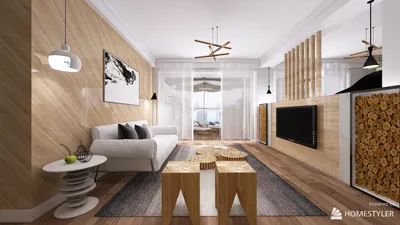


Throughout my ten years as an interior designer, I've witnessed the evolution of living room picture arrangements. From balanced gallery walls to eclectic displays of photographs and art, these trends reflect not just style but personality. I firmly believe that even the smallest spaces can inspire great creativity, and the living room wall serves as an excellent canvas for self-expression. In this article, I will present 10 innovative picture-hanging ideas, combining my personal design experiences with expert advice, to help you rejuvenate your space stylishly using Homestyler.
1. Symmetrical Grid Layout
In one of my projects, I designed a cozy loft and featured a 3x3 photo grid behind the sofa. This layout immediately opened up the area, giving it a serene and organized feel.
Pros: Establishes visual harmony and balance; suits both contemporary and classic interiors, where precise arrangement enhances overall aesthetics.
Cons: Precise measurement is crucial; any misaligned frame can disrupt the intended visual impact.
Tip: Before drilling, utilize a level and paper templates to plan out the layout.
2. Asymmetrical Gallery Wall
In my personal space, I embrace a mix of art prints, travel snapshots, and fabric panels in an asymmetrical layout, fostering a relaxed, organic atmosphere.
Pros: Offers versatility and easy updates; accommodates a diverse range of frame sizes and themes.
Cons: It may appear chaotic without a unifying theme, such as consistent frame colors.
Consider experimenting with an eclectic gallery wall using digital mockups through Homestyler to visualize how different styles can come together before committing to your walls.
3. Vertical Picture Column
I applied this concept in a client’s narrow living area to draw the eye upwards, effectively creating the illusion of a taller ceiling.
Pros: Optimizes vertical space; perfect for the areas between windows or doors.
Cons: Limited capacity; best utilized for a curated selection of artwork.
Tip: Maintain even spacing between frames to prevent visual clutter.
4. Floating Ledges
Floating picture ledges are highly favored among my clients seeking flexibility; I can easily change artwork seasonally without creating new holes.
Pros: Simplifies artwork changes; allows for layered displays that add depth and texture.
Cons: Takes up a small amount of wall depth; might not appeal to minimalist enthusiasts.
5. Oversized Statement Piece
During one renovation, I collaborated with a local artist to design a single large canvas that became the focal point of a wall — simple yet impactful.
Pros: Serves as a striking focal point; simplifies decision-making compared to arranged collections.
Cons: Generally involves a higher initial investment; can dominate very small walls.
Budget tip: Large prints obtained from online services could provide a budget-friendly alternative to custom commissions.
6. Picture Rail System
Incorporating a picture rail allows for art rearrangement while minimizing wall damage — it's particularly recommended for historic homes where plaster needs protection.
Pros: Enables flexible hanging heights; eliminates the need for repetitive drilling.
Cons: Visible cables or hooks might not suit everyone's taste.
7. Mixed Media Wall
I enjoy combining photographs, mirrors, textured items, and even clocks to create a diverse display that enhances light reflection and texture.
Pros: Eclectic appeal; adds rich tactile and visual interest, with mirrors helping to amplify perceived space.
Cons: Requires careful curation to avoid a disorganized appearance.
I often simulate how various textures interact in a virtual design model before finalizing decor choices.
8. Seasonal Rotation Display
I frequently change out coastal photos in the summer for warm-toned artworks in winter to keep my space feeling vibrant and fresh.
Pros: Adjusts to mood, themes, or seasons; allows your space to maintain a dynamic feel throughout the year.
Cons: Requires dedicated storage for off-season artworks.
9. Frame-free Canvas Prints
Frameless canvas prints offer a sleek, contemporary style and are lightweight, making them easier to hang.
Pros: Provides a minimalist look; eliminates glare typically caused by glass.
Cons: Less formal aesthetic; edges can fray if not made with high-quality materials.
Tip: Opt for gallery-wrapped edges to achieve a polished finish.
10. Corner Gallery Arrangement
Designing art that spans around a corner instantly revitalizes an idle space.
Pros: Utilizes awkward corners effectively; fosters a sense of immersive experience.
Cons: Planning can be more complex; viewing angles may pose challenges.
For difficult areas, I often use 3D rendering through Homestyler to visualize how an L-shaped corner gallery would appear before finalizing decisions.
Summary
Compact living rooms can cultivate remarkably imaginative picture hanging ideas. With strategic planning, even a single wall can narrate a compelling story. As noted by The National Gallery, how art is positioned can significantly shift the perception of a space. Which of these 10 creative ideas are you most eager to experiment with in your living room?
FAQ
1. What is the best strategy for hanging pictures in a small living room?
Utilize layouts that maximize wall space, such as vertical columns or grids; consistent frames help create a tidy look.
2. At what height should I hang artwork?
Typically, artwork should be centered at eye level — around 57 to 60 inches from the floor, based on the Smithsonian's guidance.
3. Is it possible to mix frame styles in a single gallery wall?
Absolutely; just ensure to unify through a consistent color palette or matting style to avoid chaos.
4. How can I avoid damaging my walls when hanging art?
Consider using adhesive hooks, picture rails, or experiment with layouts in a tool like Homestyler before making any permanent decisions.
5. Is asymmetrical art hanging currently in vogue?
Yes, it’s set to be a significant trend in 2024, perfect for creating personalized and dynamic living environments.
6. Should my artwork complement my sofa's color?
Not necessarily; contrasting hues can make both elements stand out, although some color harmony can enhance flow.
7. How do I select the appropriate size art for my wall?
As a general guideline, aim for artwork that is approximately two-thirds the width of the furniture it sits above.
8. What’s the most economical art hanging strategy?
Using floating shelves or ledges allows for frequent art changes without the need for purchasing new frames or rehanging.
Looking to transform your space? Homestyler is your go-to online home design platform! With its user-friendly design tool, stunning 3D renderings, and a wealth of DIY video tutorials, you can easily create and visualize your dream home. Get started today!
Diseño ahora GRATIS
































