I once attempted to fit a six-seat breakfast bar into a galley kitchen because a client insisted that every guest should have ample space — resulting in the wobbling stools and my last-minute redesign at midnight. Such small errors taught me valuable lessons about how an intelligently designed breakfast bar can be both social and practical, emphasizing the importance of a thoughtful breakfast bar layout over intricate finishes.
Small spaces often inspire innovative solutions, and throughout the past decade, I have transformed awkward corners into charming dining areas. Here are five of my favorite kitchen breakfast bar concepts, each accompanied by genuine advantages, minor trade-offs, and practical advice drawn from my projects.
1. Slim island with slender stools
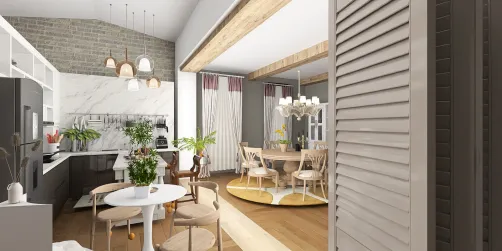
If you lack space for a full-sized island, a slim island (approximately 18–24 inches in depth) can create separation without hindering flow. It’s ideal for grabbing coffee and also serves as additional prep space, although seating can be a bit snug — I suggest armless stools to maintain open sightlines.
2. Folding bar for versatile spaces
A fold-down countertop is my go-to solution for tiny rentals and multifunctional kitchens: when folded up, it looks like wall art; when folded down, it accommodates two. The drawback is weight limits and knee space, so opt for sturdy hinges and ensure sufficient clearance for comfort.
3. Built-in banquette with storage underneath
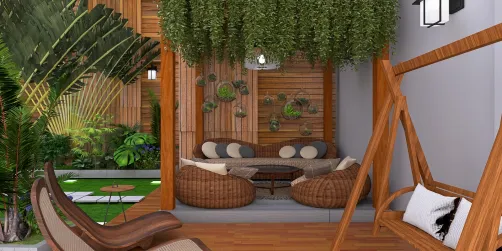
Banquettes can transform a breakfast nook into a cozy mini diner while providing ample hidden storage — I once installed one that reclaimed an entire closet of kitchen tools. To boost your design confidence, use Homestyler to visualize the space in 3D before construction, allowing you to test movement and cushion thickness.
4. Dual-level counter for dining and prep
A two-tiered countertop design provides a higher bar for casual meals and a lower prep area for cooking. It’s both stylish and functional, but be aware that plumbing or appliance backdrops might need adjustments; I typically sketch elevation details early in the process to prevent unexpected issues.
5. Floating shelf bar with pendant lighting
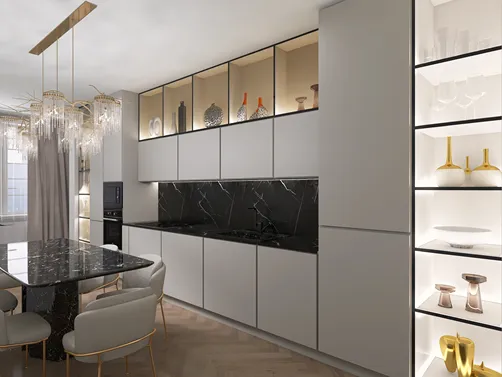
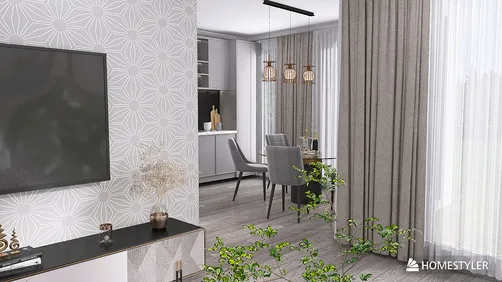
For a sleek and modern aesthetic, a cantilevered floating bar complemented by narrow pendant lights gives an airy feel — perfect for tight corners or window spaces. It requires solid wall anchoring and occasional reinforcement, yet since it’s lightweight, it can be one of the most economical choices; utilizing Homestyler to create a detailed floor plan can help confirm dimensions and sightlines before installation.
Budget suggestion: focus on structural improvements and seating comfort rather than luxurious materials — often a well-designed laminate or butcher block can look far better in practical use than an expensive, impractical countertop.
FAQ
Q1: What is the optimal height for a kitchen breakfast bar?
Most breakfast bars are constructed at either bar height (approximately 42 inches) or counter height (around 36 inches). Ensure to pair them with appropriate bar stools or counter stools to match the selected height for comfortable seating.
Q2: How much depth is needed for comfortable seating?
A minimum overhang of 12–18 inches is comfortable for most individuals, along with adequate knee space underneath; the overall depth will depend on whether the surface also serves as prep space. If cooking is involved, allow for extra depth to separate seating and food preparation.
Q3: Can a breakfast bar be accommodated in a small galley kitchen?
Absolutely — slim islands, fold-down bars, or narrow floating shelves can work effectively in a galley layout. The essential consideration is maintaining a clear pathway of at least 36 inches where feasible.
Q4: Which materials are ideal for a durable breakfast bar?
Butcher block, laminate, and quartz each have their advantages: butcher block adds a cozy feel, laminate is budget-friendly, while quartz requires minimal upkeep. I typically match the material to how much food preparation will take place on the bar.
Q5: How many individuals can a breakfast bar seat per linear foot?
A common guideline is about 24 inches per adult for comfortable seating; tighter arrangements can squeeze to 18–20 inches but tend to feel cozier. Consider the width of stools and the presence of armrests during planning.
Q6: What are some lighting tips for above a breakfast bar?
Pendant lights hung at roughly 28–34 inches above the countertop provide focused illumination without dazzling guests; using dimmable fixtures allows for transition from breakfast to evening gatherings. I often recommend a trio of small pendants to achieve even lighting.
Q7: Are built-in banquettes practical in the long run?
Yes — they’re surprisingly functional, especially with underneath storage. Just make sure cushions are removable for cleaning and select durable fabrics suitable for high-traffic areas.
Q8: Where can I locate standard design guidelines for kitchen counters and seating?
The National Kitchen & Bath Association (NKBA) offers established dimensions and best practices; visit their resources at https://www.nkba.org for authoritative guidance on counter heights and clearances.
Homestyler is your go-to online home design platform! With its user-friendly design tool, stunning 3D renderings, and a wealth of inspiring design projects and video tutorials, you can effortlessly bring your home visions to life. Start creating your dream space today!