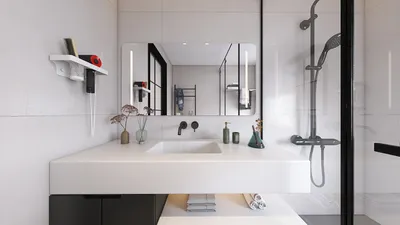


Over the past ten years in home design, I’ve witnessed the evolution of the ‘grey and white’ color scheme, transitioning from a safe choice to a prominent design hallmark. Currently, the trend of neutral palettes is flourishing, particularly highlighting how effectively small spaces can radiate charm when the right tonal balance is applied. Small areas ignite immense creativity — in this article, I will share ten innovative ideas for grey and white living rooms inspired by my projects and reputable industry insights, incorporating Homestyler to visualize these concepts.
1. Minimalist Grey Sofa with White Walls
My Perspective: In one of my early projects featuring a compact apartment, a deep grey linen sofa against pristine matte white walls created an illusion of spaciousness while grounding the atmosphere. This minimalist living room storage setup became a standout feature for the client.
Advantages: The grey hue serves as an anchor for the space, while the white reflects light superbly — precisely what is necessary for a limited living area.
Disadvantages: Lighter grey fabrics may show dirt more readily, making a darker option more practical for families or pet owners.
2. White Shiplap with Grey Accents
My Insight: I once recommended white shiplap walls to a client with a narrow living area; when complemented with charcoal accessories, the textured layers effortlessly added charm.
Advantages: It introduces character without overwhelming visual order, fitting seamlessly into coastal or farmhouse aesthetics.
Disadvantages: Shiplap tends to collect dust in its crevices and requires regular maintenance.
3. Grey Area Rug to Define a White Space
My Insight: In a studio, a soft grey wool rug was used to define the living space without relying on large pieces of furniture, adding a cozy feel.
Advantages: Rugs can break up expansive areas of white flooring, providing warmth and reducing echo.
Disadvantages: Lighter rugs demand more cleaning attention; a patterned weave can help disguise everyday wear.
4. White Curtains with Grey Trim
My Approach: A technique I enjoy is custom-hemming plain white curtains and adding a grey border — it’s a subtle touch that elevates the space significantly.
Advantages: This detail enhances verticality, giving the impression of taller ceilings; it introduces a bespoke quality to standard panels.
Disadvantages: Customization increases cost and attention to maintenance for the trims.
5. Grey Feature Wall Graced by White Art Frames
My Insight: I once created a soft dove-grey feature wall that served beautifully as a backdrop for artwork, allowing the white frames to stand out — this glass backsplash, in an adjoining open plan area, made the kitchen feel larger.
Advantages: Grey reduces glare and allows framed art to shine; it’s particularly beneficial in north-facing rooms.
Disadvantages: Darker greys may absorb light, so it’s crucial to balance them with sufficient lighting.
6. White Built-Ins with Grey Backing
My Insight: In designing a reader’s nook, I created white shelves with grey backs, subtly highlighting the client’s book collection.
Advantages: This adds depth and contrast, making displayed items look purposeful and attractive.
Disadvantages: It may limit options if frequent repainting or restyling is desired.
7. Layered Grey Textiles on a White Sofa
My Take: By adding throw blankets and cushions in various shades of grey, a standard white sectional became irresistibly cozy.
Advantages: This approach allows for seasonal updates; it provides tactile comfort without needing new furniture.
Disadvantages: Utilizing too many shades can lead to a mismatched look; focus on 2-3 tones for harmony.
8. Grey and White Checkered Flooring
My Insight: For a retro-inspired loft, we implemented checkered tiles, offering playfulness while maintaining a sophisticated monochrome aesthetic. The L-shaped layout also provided additional counter space in the adjoining kitchen.
Advantages: It introduces a rhythmic pattern and can conceal dust between cleanings.
Disadvantages: In smaller or heavily accessorized areas, it may feel overwhelming.
9. White Walls with Grey Ceiling
My Insight: Painting the ceiling a soft grey in a bright loft brought warmth without compromising openness.
Advantages: This technique creates a cocooning atmosphere while reducing glare in overly bright spaces.
Disadvantages: In lower-ceiling areas, this may create the illusion of less height — best utilized in rooms with generous vertical space.
10. Mixed Grey and White Furniture
My Insight: Blending a white coffee table with grey armchairs ensured balance and warmth in one client’s living area.
Advantages: This combination allows for flexibility in rearranging and introducing new pieces while maintaining a coordinated palette.
Disadvantages: If the furniture styles clash, it may appear disjointed; selecting harmonious silhouettes is crucial.
Conclusion
A compact living space is not an obstacle — it’s a chance for intelligent design. Thoughtfully layered grey and white concepts can rejuvenate any lounge, creating a tranquil yet vibrant environment. As noted by Elle Decor, while neutral palettes offer timeless beauty, incorporating textures and contrasts is essential to avoid a flat appearance. Which of these Homestyler-inspired ideas would you be eager to implement in your space?
FAQ
1. Are grey and white suitable for a small living room?
Absolutely; they enhance light reflection, maintaining an open feel while grey contributes grounding contrast.
2. How can I add warmth to a grey and white living room?
Integrate wooden accents, cozy textiles, or brass details to offset the cool tones.
3. What accent colors complement grey and white?
Soft pastels, navy, emerald green, and blush pink work harmoniously with the neutral foundation.
4. Is it okay to mix different shades of grey?
Certainly — just adhere to a 2-3 shade limit and combine textures for added depth, as advised by HGTV.
5. Should I choose grey or white walls?
It depends on the lighting; opt for white in dim rooms and soft grey in exceptionally bright areas for coziness.
6. How can I prevent a grey and white room from seeming cold?
Layer warm materials like wool, velvet, or oak. Rugs and draperies help significantly as well.
7. Are patterned rugs acceptable with grey and white?
Indeed, they can inject personality — geometric and Moroccan designs tend to work effectively.
8. Do grey and white living rooms enhance resale value?
Neutral palettes attract a broad audience, according to Zillow, making them a prudent choice for reselling.
Discover the creative power of Homestyler, your go-to online home design platform! With its user-friendly design tool, stunning 3D renderings, and a wealth of inspirational design projects and DIY video tutorials, turning your home vision into reality has never been easier.
Diseño ahora GRATIS
































