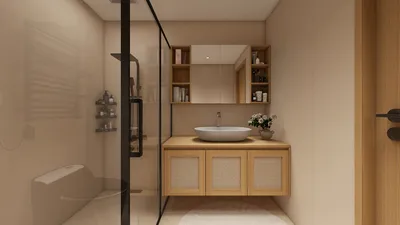


In contemporary interior design, the entryway serves as more than just a drop-off point for your belongings; it marks the beginning of your home's narrative. After over a decade of crafting designs for small apartments, I’ve learned that limited space often leads to the most innovative solutions. In this article, I’ll present 10 carefully selected design ideas for connecting the entryway with the living room, integrating my personal insights along with research-based recommendations to assist you in creating a stylish and seamless flow in your space.
1. Streamlined Console with Storage
My Perspective: In my first studio apartment, a streamlined console featuring drawers transformed my cluttered entry area. It provided a designated space for necessities without overwhelming the visual aesthetics of the area.
Benefits: A minimalist storage console not only helps keep things organized but also preserves a clean aesthetic, aligning with current trends in small entryway to living room designs as highlighted by Houzz reports (2023). Additionally, it can function as a display area for artworks or vibrant flowers.
Drawbacks: Limited drawer space may lead to overstuffing, resulting in clutter. Moreover, low-quality materials could compromise stability.
Advice: Opt for a design with a slim profile, especially if your entryway opens directly into a compact living room, as is often the case in modern open-concept apartments.
2. Glass Partition for Elegant Separation
My Experience: Once, I designed a city loft for a client using a floor-to-ceiling glass panel to provide separation while allowing natural light to flow — it completely transformed the visual space.
Advantages: Glass partitions facilitate the flow of natural light between the entryway and living room, keeping the area open and airy. This elegant solution can also serve as a sound barrier.
Disadvantages: Regular cleaning is necessary to maintain clarity since fingerprints can quickly become noticeable. Additionally, it may not offer the privacy some individuals desire.
Insight: Consider frosted or ribbed glass options to add privacy without sacrificing brightness.
3. Built-in Bench with Shoe Storage
My Approach: Designing built-ins is one of my favorite ways to integrate function with style. I crafted a custom-built bench in my home, freeing me from the hassle of tripping over shoes.
Pros: A built-in bench provides both seating and concealed storage, making it ideal for busy families. This setup particularly suits narrow layouts connecting the entryway to the living room.
Cons: Permanent fixtures may not appeal to those who frequently rearrange their space. Furthermore, custom builds can be expensive.
Recommendation: Use removable cushion covers to simplify maintenance.
4. Feature Lighting to Define the Entry
My Experience: In a cozy family home, I installed a pendant light directly above the entry area, signaling to guests that they had 'arrived' even in the absence of walls.
Pros: A standout lighting fixture effectively marks the transition from entry to living space, enhancing the ambiance and potentially lifting the room's overall style, as noted by Architectural Digest.
Cons: Ill-proportioned statement lights can dominate smaller areas.
Styling Tip: Balance a striking light fixture with simpler decor surrounding it.
5. Layering Rugs for Visual Definitions
My Strategy: I once layered a jute runner over a patterned rug to visually divide the entry area in an open layout.
Pros: This approach is a cost-effective method for zoning without constructing walls. Rugs introduce texture, color, and comfort beneath your feet as you transition into your living space.
Cons: Additional rug layers could pose a trip hazard, especially in households with pets or children.
Tip: Use non-slip pads to anchor rugs securely.
6. L-Shaped Furniture Arrangement
My Experience: In a small condo, I arranged an L-shaped sofa to act as a soft barrier between the entry and living spaces, creating separation without complete enclosure.
Advantages: This configuration optimizes seating and subtly delineates the living space. It also allows for wall space to be freed up for shelving or decoration near the entry.
Disadvantages: Careful measurements are necessary to avoid obstructing pathways.
See For Yourself: An L-shaped arrangement in a modern loft can demonstrate how strategic furniture placement can establish spatial division.
7. Accent Wall in the Entry Space
My Insight: Painting the entry wall a deep, rich hue instantly signals that 'this is where home begins.'
Pros: This design choice creates immediate visual distinction and character. It can also hide scuffs that occur in high-traffic areas.
Cons: Bold colors may require more upkeep and can become dated quicker than neutral shades.
Tip: Test color samples at different times of day to observe how lighting impacts them.
8. Narrow Bookshelf Divider
My Approach: During a recent remodeling project, I utilized a tall, slim shelving unit, adorned with plants and books, to create a semi-transparent divide.
Benefits: This option provides both storage and a decorative display, with plants adding a trending biophilic element. It's also relatively easy to relocate when necessary.
Drawbacks: Open shelves can gather dust quickly and require careful styling to appear intentional.
Advice: Combine open and closed storage for an aesthetically curated appearance.
9. Change in Flooring Materials
My Experience: Transitioning from tiles in the entryway to wood in the living room established a natural boundary in one of my recent designs.
Advantages: Differentiating flooring materials subtly zoned the space without additional furniture. Durable entry flooring combats wear from footwear.
Cons: Utilizing various materials can heighten renovation expenses.
Tip: Keep complementary tones to ensure a cohesive flow, such as pairing warm oak with patterned ceramics.
10. Floating Shelves for Keys and Decor
My Take: In my residence, I mounted floating shelves near the entrance to accommodate a key tray and rotating art pieces—both functional and personal.
Pros: These shelves save space and can be customized as needed, perfect for the transition from entryway to living room where floor area is often limited.
Cons: They may have a restricted weight limit, making them unsuitable for heavy items.
Example: Floating shelves proposed with warm wood finishes can harmonize beautifully with the surrounding décor in the living area.
Conclusion
When it comes to small entryways leading into living rooms, the key is to embrace smarter, not smaller, design strategies. Whether you’re zoning with natural light or varying flooring options, there are plentiful ways to enhance the transition. As noted by Elle Decor, a thoughtfully designed entry ultimately influences the energy of the entire home. Which of these 10 suggestions will you be inspired to implement first?
Frequently Asked Questions
Looking to transform your home? Homestyler is your go-to online design platform! With its user-friendly design tool, stunning 3D renderings, a wealth of design projects, and helpful DIY video tutorials, you can effortlessly create and visualize your dream spaces. Start your design journey today!
Diseño ahora GRATIS
































