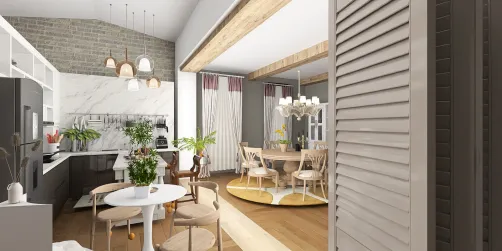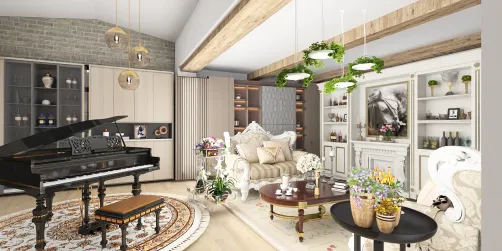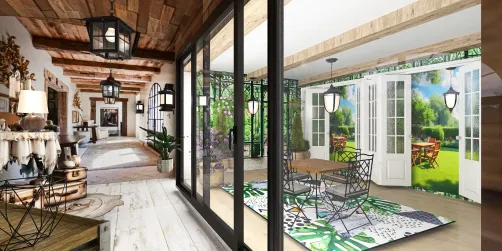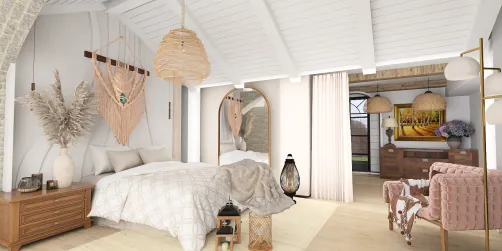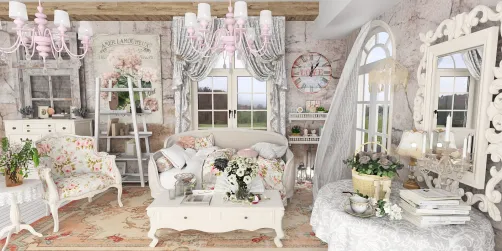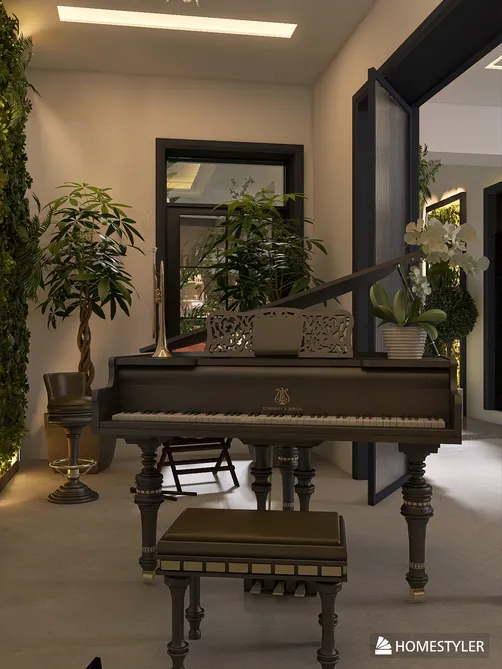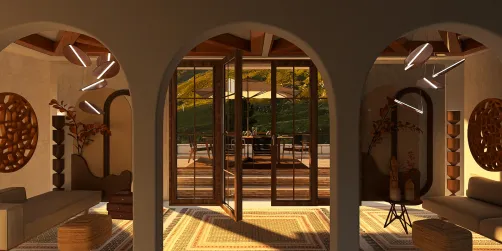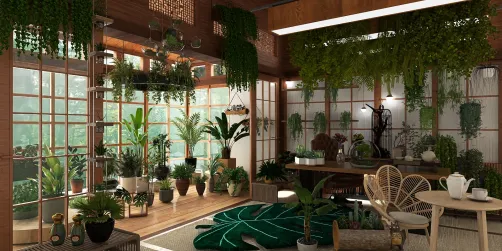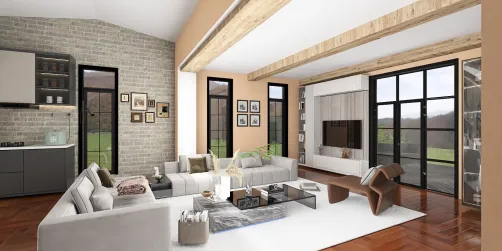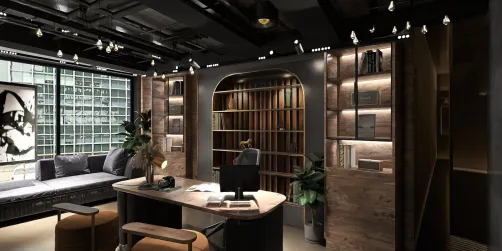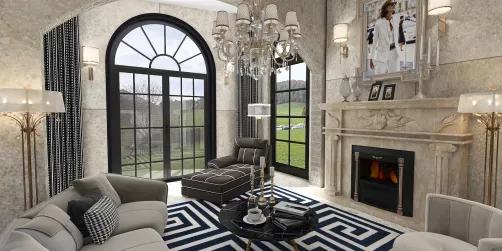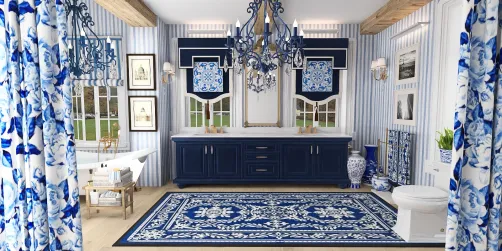
As the future draws nearer, existing homes continue to face challenges such as privacy issues, noise interference, and chaotic storage; I approach bedroom design as interfaces that harmonize daily habits into tranquility. Recent surveys by NAHB indicate that over 60% of homebuyers now place a high value on adaptable sleeping areas and workspaces—demonstrating that the bedroom layouts we select today serve as preliminary frameworks for the routines of the future. I utilize a spatial reasoning toolkit when a client seeks solutions that enhance resilience against disturbances from noise, light, and cluttered spaces.
Split-Entry Suite for Versatile Rest
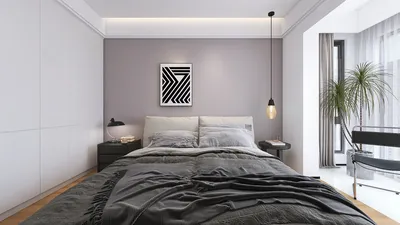
Design Principle: A foyer serves as a buffer between the bed and hallway, preparing the space for hybrid working environments and late-night arrivals.
Flow: The sequence of entry into a micro-foyer, followed by a wardrobe wall, sleeping zone, and ensuite creates a clear path that minimizes distractions.
Sightlines: An angled headboard design prevents a direct line of sight from the door; strategically placed mirrors direct light towards a calming area rather than the pillow.
Storage: A dual-level closet system functions as storage space: immediate access for everyday clothing, while seasonal items are stored above.
Furniture Arrangement: A queen bed measuring 60"x80" allows for a 24" clearance on pull sides; the desk alcove is designed with a 48" width to accommodate device docking as a technical limit.
Conclusion: In the coming five years, this suite designed with a buffering approach will symbolize effective bandwidth management for couples and shift workers.
save pinOpen in 3D Planner Processing...
Corner Window Bedroom Accompanied by Integrated Work Area
Design Principle: The glazing that wraps two sides allows for better circadian control, while the work niche separates focus from sleeping.
Flow: Entrying into the niche, then aligning with the bed and window ledge culminating at the wardrobe creates a continuous loop that distinctly separates work and rest.
Sightlines: The corner view serves as the primary visual interface; the bed is positioned to capture lateral light, thereby avoiding glare from screens.
Storage: With 18" deep niche upper cabinets and under-bed drawers functioning as tiered storage, surface clutter and spikes are minimized.
Furniture Arrangement: A full or queen bed provides a 30" walking area; a task chair has a swivel space of 40" without obstruction.
Conclusion: With the normalization of remote work, this layout reinforces its efficiency: daytime productivity driven by natural light transitioning to a low-light recovery phase at night.
save pinOpen in 3D Planner Processing...
Jack-and-Jill Secondary Bedrooms Featuring a Shared Utility Hub
Design Principle: Two rooms symmetrically connected to a communal bath and laundry hub optimize family operations and ease of maintenance.
Flow: The sequence of bedrooms connecting to the shared bath, leading to a linen closet and mini-laundry creates a streamlined service pathway for chores.
Sightlines: Offset doors prevent direct views into the bedrooms; mirrors direct attention toward neutral walls, preventing startling reflections.
Storage: Combining two closets along with a central linen tower acts as a shared storage area—access governed by labels instead of locks.
Furniture Arrangement: Twin or full beds spaced with 36" clear outs; modular desks 42" wide fit neatly under windows without impeding ventilation.
Conclusion: Families enjoy predictable schedules; over the next five years, this shared utility configuration will feel like a reliable system for busy lifestyles.
save pinOpen in 3D Planner Processing...
## Final Insights
The various types of bedroom layouts are more than just mere spaces; they function as integrated interfaces for rest, concentration, and care. Designs such as corner-window suites, split-entry formats, and Jack-and-Jill configurations illustrate that the most effective bedrooms manage their resources—light, sound, and storage—rather than merely focusing on size. From my extensive experience, the future of bedroom design emphasizes intentional flow over mere square footage, and I frequently notice how subtle spatial choices significantly transform people's lifestyles, especially when utilizing tools like Homestyler.

Looking to transform your space? Homestyler offers the perfect online home design tool that’s easy to use. With stunning 3D renderings, a vast array of design projects, and insightful DIY video tutorials, you can unleash your creativity and visualize your dream home effortlessly!