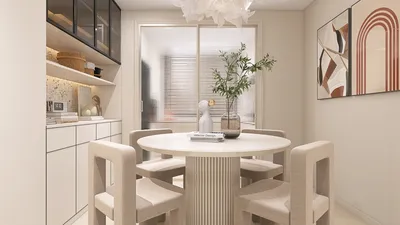


In one of my previous projects, I attempted to hang heavy fabric panels in a client's living room, which ultimately resulted in a wall that appeared forlorn and sagging. This experience taught me that effective acoustic solutions require a blend of aesthetic design and engineering principles. Particularly in small living rooms, where the space is often restricted by furniture, echoes abound, and the TV sound leaves much to be desired, the challenge intensifies. Yet, these constraints inspire innovative and attractive solutions.
In this piece, I am excited to share five ideas for acoustic wall panels that I regularly implement in my projects. By merging visual appeal with functionality, you can create a living room that not only has a serene appearance but also sounds harmonious. Small spaces unleash significant creativity—let’s delve into the details.
1. Floating fabric panels with staggered arrangements
Fabric-wrapped panels are among my favorites due to their warm visual appeal and versatility. By mounting them on wooden cleats, they can be made to appear as though they float. Using staggered sizes not only helps disrupt echoes but also creates an artful gallery vibe. They are simple to create as a DIY project or can be custom ordered, making them excellent for controlling mid to high-frequency sounds.
Although they are lightweight, these panels may accumulate dust and require occasional cleaning. For those in rental spaces, using removable adhesive cleats can significantly ease the installation process while keeping it reversible.
save pin
2. Slim ribbed wooden panels for a modern texture
Vertical ribs that are slim and crafted from MDF or real wood serve both as diffusers and absorbers, lending a high-end feel that is ideal for minimalist designs. I integrated this type of panel in a compact open-plan living room, which visually elevated the ceiling while minimizing slap echoes from the television wall.
Costs can remain moderate, but precise installation is crucial; insufficient rib depth can compromise acoustic effectiveness. For enhanced low-mid frequency control, consider pairing them with hidden absorbers placed behind the panels.
save pin
3. Geometric 3D panels with contrasting hues
If you're aiming for a playful atmosphere, geometric 3D panels can introduce sculptural elements that effectively scatter sound. I once recommended hexagonal panels to a couple, resulting in a lively feature wall that functioned as an effective sound barrier. They work wonderfully in spaces aiming for eye-catching designs with improved acoustics.
These panels can appear visually busy, so it’s best to limit them to a single focal wall while keeping the rest of the room serene. Some materials prioritize aesthetics over acoustic absorption, so it's important to choose options with internal acoustic backing for optimal performance.
save pin
4. Acoustic shelves integrated with a planter wall
Merging shelves with acoustic backing is a clever approach I often use when clients require both storage and sound control. Items such as books, potted plants, and fabric storage bins can effectively disrupt sound paths and absorb reflections. This solution is both functional and budget-friendly.
Balancing clutter remains a challenge; having too many reflective items can negate the intended purpose. I advise alternating soft items like books and textiles with plants to achieve the best outcomes. If you're keen to visualize various layouts before making any commitments, a 3D room planner, such as Homestyler, can help you visualize different arrangements effortlessly.
save pin
5. Soft acoustic wedges for ceiling-to-wall corners
Since corners can amplify bass frequencies, using soft acoustic wedges to fill the joints where the walls meet the ceiling can help reduce excessive boom. In a narrow living space, I installed suede-wrapped wedges that drastically improved conversational clarity—people could hear each other without the need to shout.
These wedges do take up vertical space, making ceiling height a consideration. While they may lack decorative appeal on their own, they can be tailored with fabrics or paint to complement the existing design.
save pin
FAQ
Q1: Are acoustic wall panels effective in small living rooms?
A1: Absolutely. When strategically positioned, these panels can minimize reflections and enhance speech clarity. Focusing on key reflection points and corners can yield substantial improvements.
Q2: What materials are the most effective for living room acoustic panels?
A2: Commonly used materials include fabric-wrapped fiberglass, mineral wool, and dense foam. Each of these offers a unique balance between sound absorption and visual appeal. Fabric coverings disguise the cores while adding a polished aspect.
Q3: Is it possible to make acoustic panels myself?
A3: Certainly! Many homeowners choose to create frames, fill them with rigid acoustic insulation, and wrap them in a fabric of their choice. Secure mounting is essential to prevent sagging.
Q4: How many acoustic panels should I use?
A4: This varies based on the room's dimensions and the sources of sound reflection. In a small living room, deploying about 4 to 6 medium panels at critical reflection spots, along with one or two treatments for the corners, is often beneficial.
Q5: Do acoustic panels address bass issues?
A5: While high and mid frequencies are simpler to mitigate, bass management often requires more substantial panels or dedicated bass traps in corners. The best results typically come from combining surface panels with corner treatments.
Q6: Are acoustic panels fire-resistant?
A6: It's important to review product specifications for fire ratings. Many commercial acoustic materials have fire-retardant features; always verify this information prior to installation.
Q7: How can I preview different panel layouts in my space?
A7: Utilizing a 3D floor planner can help you visualize the positioning, scale, and colors of panels before making a purchase. This approach saves time and minimizes expensive errors.
Q8: Is there any authoritative guidance on standards for acoustic treatments?
A8: For documented standards on room acoustics and treatment methods, refer to resources from the Acoustical Society of America (ASA). This ensures your expectations align with scientific findings.
save pin
Homestyler is your go-to online home design platform! With its user-friendly design tool, stunning 3D renderings, and a wealth of inspiring design projects and video tutorials, you can effortlessly transform your space. Start creating your dream home today—it's easy and fun!
Diseño ahora GRATIS
































