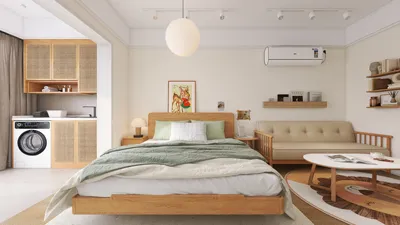


Indoor swings, or room jhulas, bring an added layer of comfort and joy to spaces like living rooms, balconies, and bedrooms. Recently, I've noticed a shift in residential designs, where these swings have transformed from nostalgic accents into thoughtful seating alternatives, particularly in smaller urban homes where they serve as social focal points. Ensuring comfort and security is essential; according to the WELL v2 standards, optimal seated postures benefit from maintaining hip angles between 90–120° and provide lumbar support to alleviate strain on the musculoskeletal system. Therefore, I prioritize the selection of swings that help maintain a neutral posture, especially when used as seating options. Additionally, lighting plays a crucial role; the IES suggests achieving an illuminance level of 100–300 lux in living areas to reduce glare and visual fatigue, which is particularly relevant around a moving seat.
From a behavioral perspective, swings can significantly influence social interactions. Research from Steelcase suggests that comfortable and varied seating enhances perceived satisfaction and engagement in communal areas. In family rooms, the jhula often becomes a conversation magnet. A color temperature range of 2700–3000K minimizes harsh shadows on the sitter's face, promoting eye contact and encouraging longer gatherings. For optimal placement, I carefully plan clearances and swinging arcs before choosing the necessary hardware. To efficiently test spatial arrangements and seating layouts, utilizing a tool like Homestyler can be invaluable, helping visualize the swing's radius alongside existing furniture.
Price Expectations and Influencing Factors
The pricing for swings fluctuates greatly based on factors such as materials, craftsmanship, suspension hardware, and customization options. Current market trends reveal significant variations among boutique artisans and mainstream retailers:
Anticipate extra costs for structural reinforcement, professional setup, and delivery services—typically ranging from $150 to $500, depending on the extent of the work and geographic area.
Material Selection: Comfort, Durability, and Affordability
The choice of materials has a direct impact on comfort and long-term investment value. I make selections based on anticipated usage patterns and environmental conditions:
When it comes to cushions, opting for performance textiles rated over 30,000 double rubs with removable covers is often worth the extra cost. It is also crucial to select low-VOC finishes and adhesives, aligning with best practices for enhancing indoor air quality.
Safety, Load Limits, and Hardware Specifications
The most secure swing installations begin with certified hardware and verified structural support. I look for swing systems with a minimum static load rating of 300–400 lbs for individual jhulas, increasing the capacity for daybed-style swings. The WELL v2 guidelines highlight the importance of minimizing musculoskeletal risks, which translates to optimal seat depths (ranging from 16 to 20 inches for most adults), as well as supportive cushions. Proper installation requires through-bolted eye plates integrated into structural elements (like joists or concrete), rather than relying solely on drywall anchors. Common practices involve using lag bolts (3/8 to 1/2 inch) in wooden frameworks or rated expansion anchors in concrete settings. Always verify local regulations and consult professionals as needed.
Clearances, Swing Arc, and Optimal Placement
To ensure comfort and mobility, adequate clearance for swing arcs is essential. A practical approach involves:
Utilizing painter's tape on the floor can help simulate the swing's movement, or you can use an interior design visualization tool like Homestyler to map swing arcs alongside furniture such as sofas and coffee tables.
Design Trends for 2024–2025
I have identified three primary design approaches: sculpted bentwood frames with integrated lumbar cushions; airy woven cane structures paired with boucle or chenille upholstery; and minimalist macramé slings ideal for small apartments where the swing serves as a decorative accent atop a rug. Earthy, muted color palettes (including moss, clay, and sand) align with color psychology principles, encouraging calm and relaxing environments—Verywell Mind indicates that greens and blues typically support tranquility—while warm wood tones enhance overall approachability.
Acoustics and Lighting Considerations Around a Jhula
Motion amplifies sound, so incorporating softer materials nearby—like rugs, curtains, and upholstered furniture—can help minimize echo. As for lighting, sustaining ambient light levels in the 100–300 lux range as per IES recommendations, complemented by a wall sconce in the warm 2700–3000K spectrum, facilitates reading without harsh glare. Ensure that light fixtures are situated well outside the swing's pathway; using diffused shades can help mitigate bright spots on the sitter's face.
Ergonomics and Seat Design
An ideal seat depth of 16–20 inches combined with a front radius enhances circulation behind the knees. Backrests set at an angle of 100–110° provide a relaxed posture during conversations. For vertical back support, a bolster (4 to 6 inches) can be useful. In the case of bench-style jhulas, distributing weight through two suspension points on each side minimizes rocking and encourages balanced seating.
Real-World Budgeting Scenarios
To provide clarity on potential costs, here are common expenses I frequently encounter on various projects:
Prices differ based on geographic location and types of ceilings; for example, concrete ceilings usually entail additional labor costs.
Checklist for Purchasers
Quick Layout Exercise
Begin by measuring your room, sketching an 80–90 cm wide rectangle for a single-seat swing, then drawing a 75–90 cm arc in front. Ensure the nearest coffee table is situated outside of that arc. If space is limited, consider rotating the swing 10–15° off-axis to create a corridor behind the sofa. Utilize a layout simulation tool to check for door swing interferences and rug accessibility before proceeding with installation.
Frequently Asked Questions
Most standard 8-foot ceilings accommodate single-seat swings effectively, provided the seat height is approximately 17 inches from the floor and compact hardware is utilized. Higher ceilings contribute to a more spacious appearance and allow for longer ropes, but are not strictly necessary.
For adult usage, I recommend a minimum static load rating from 300 to 400 lbs for single-seat swings. If accommodating two individuals, opt for swings rated at 500 lbs or higher. Always verify the ratings for both the swing and hardware and ensure they are anchored into the structural framework.
Not directly. It's necessary to identify joists or add a spanning ledger board anchored to multiple joists. In apartments with concrete slabs, rated expansion anchors should be used. When uncertain, enlisting a professional is advisable.
Aim for ambient light levels between 100 and 300 lux with a warm color temperature of 2700–3000K to maintain flattering lighting and reduce glare. Position light fixtures outside the swing's travel path and utilize diffusers or shades where possible.
Maintain a clear front space of at least 30 to 36 inches and 12 to 18 inches behind the swing. Position it perpendicular to the room's longest clear axis and ensure side tables remain outside the swing's arc.
Wooden frames with upholstered cushions or cane seats fitted with lumbar bolsters perfectly balance breathability with support. While macramé is soft, it has the potential to stretch; adding a firm pad below can improve comfort during extended reading sessions.
Yes, under supervision. To adapt for children, reduce the seat height to 14–16 inches, ensure all edges are rounded, and place soft rugs below. Confirm that hardware installation is conducted by a professional and routinely checked for safety.
At metal-to-metal connections, incorporate bushings or rubber grommets, select marine-grade ropes or chains, and inspect fasteners quarterly. Regular dusting of rope fibers is essential to prevent wear.
If the balcony slab can accommodate anchors, and local regulations permit, swings may be installed. Utilize weather-resistant materials (like teak, aluminum, or outdoor fabrics) and cover cushions when not in use to prolong their life.
Chains generally support higher loads and exhibit predictable stretch, while ropes—particularly polyester—provide a quieter and more pleasant tactile experience. For enhanced interior aesthetics, I often prefer pairing chains with a fabric sleeve.
Medium-firm seating (ILD 30–35) is effective in maintaining shape and offering support. A lumbar bolster (4–6 inches) works well for those seated vertically, while a thin seat topper is beneficial for macramé models.
Yes, if there are uncertainties about structural support. Typical installation costs range from $150 to $450, contingent on the ceiling type and finish preferences; investing in safety is always a priority.
References and Additional Reading
For comprehensive standards on human-centered comfort and ergonomics, consult the WELL v2 building guidelines and IES recommendations on residential lighting levels. Research on workplace seating by Steelcase provides valuable insights into how diverse seating can enhance engagement in shared spaces.
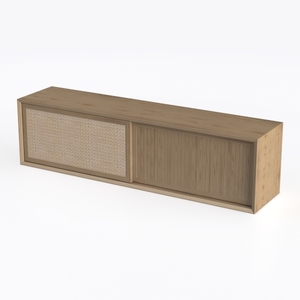
JOZZBY Set of 3 Storage Cabinet, Sideboard Buffet
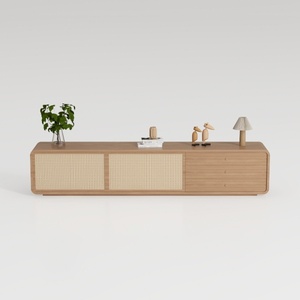
Walker Edison Sasha 4-Door Sideboard Buffet with

Lazzo Rattan Coffee Table Mid Century Modern Cente
Discover the power of Homestyler, your go-to online home design platform! With its user-friendly design tool, stunning 3D renderings, and a plethora of DIY video tutorials, you can effortlessly create and visualize your dream spaces. Transform your home design experience today!
Diseño ahora GRATIS
































