

Incorporating two beds into a cozy room is entirely feasible when you make informed furniture selections, understand proper layout strategies, and implement minor adjustments in lighting and storage. I focus on maintaining sufficient circulation spaces, optimizing ergonomic reach zones, and creating pleasant sightlines to ensure the room feels tranquil rather than cluttered. When designing shared bedrooms, the priority is to maintain privacy and sleep quality while keeping surfaces tidy and pathways secure.
Effective space planning thrives on precise metrics. According to the Gensler U.S. Workplace Survey, spatial efficiency has a significant link to perceived effectiveness and well-being—living areas that skillfully balance personal space with functionality tend to boost satisfaction levels. When it comes to bed arrangements, I adhere to basic clearance guidelines: ensuring 24–30 inches around primary walkways and 18–24 inches for secondary access points. For optimal lighting, the WELL v2 standard suggests combining ambient and task lighting, with typical illuminance levels for bedrooms ranging from 100–300 lux for general lighting, increasing to 300–500 lux for focused activities like reading. These essential recommendations help to minimize glare and facilitate smooth transitions at night.
In children's bedrooms or compact guest areas, integrating effective storage solutions is key. Research by Herman Miller demonstrates that reducing clutter enhances cognitive ease and productivity; in sleeping spaces, this means quicker relaxation and fewer night disruptions. My preferred solutions include under-bed drawers, shallow wall-mounted cabinets, and trunks placed at the end of beds. I often utilize a room layout design tool to experiment with different configurations before finalizing my choice; this allows me to visualize how everything interacts while ensuring clearances are maintained, leading to a more confident selection.
Optimal Arrangements for Two Beds Within Limited Spaces
For spaces under 100 square feet, I typically recommend a parallel layout or an L-shaped configuration. Positioning twin beds parallel along opposite walls works well if the room stretches beyond 9 feet; this setup creates a central pathway and minimizes the risk of stubbing toes. An L-shaped arrangement, where beds are placed along adjacent walls, can foster an inviting corner nook, thereby freeing up a rectangular area for additional furniture such as dressers or desks. In more square-shaped rooms, bunk beds are an efficient choice as they save floor space—always ensure there is a minimum head clearance of 36 inches from the top of the mattress to the ceiling to allow for comfortable sitting.
If flexibility is essential, consider stacking bed options. A low bunk, also known as a loft twin over twin, keeps the upper bunk under 60–65 inches high, suitable for spaces with lower ceilings. A trundle bed beneath one twin is an excellent discreet choice; it can be rolled out only when extra sleeping space is necessary and can be tucked away during the day to maintain open floor space. In areas with limited storage, daybeds featuring pull-out trundles serve multiple functions: seating during the day, a single sleeping spot at night, and a double sleeping arrangement for guests.
Movement Space, Clear Ages, and Ergonomic Considerations
Ensuring safe movement is at the core of every design choice. It is vital to maintain at least 24 inches of unobstructed passage along the main route to the door. Beds should be aligned so that the door swing doesn’t conflict with frames or legs. If both beds share a nightstand, place it equidistant from each bed's pillow edges and ensure lamp controls are accessible within a 15–20 inch reach area. Avoid placing beds right under operable windows if frequent ventilation is needed; managing drafts is crucial for sleep quality. For children's bunk beds, the ladder pitch and rung spacing should be solid and non-slip, with guardrails running continuously along the open side for added safety.
Effective Storage Solutions: Under, Above, and Inside
Under-bed drawers are the most effective form of cubic storage; I typically prefer 6–8 inch high drawers for storing shoes, books, and seasonal apparel. For a trundle, a split design is advisable; with half serving as a trundle and the other half as a drawer bank. Shelving mounted above the bed with a depth of 10–12 inches keeps nighttime essentials within easy reach without feeling overwhelming. In extremely compact spaces, wall-mounted folding desks placed just outside the bed area maintain the flow of the room. Position the tallest wardrobe directly opposite the entry to minimize visual weight when entering; using a matte finish reduces glare and contributes to a tranquil atmosphere.
Lighting and Sound Dampening
Bedrooms benefit from three layers of lighting: ambient, task, and accent. For ambient lighting, warm-white LEDs (2700–3000K) are conducive to melatonin production and promote a relaxing wind-down routine. Task lighting used for reading should provide 300–500 lux at the pillow level and feature a glare-controlled shade; these fixtures should be installed to prevent light from spilling onto the adjacent bed. I highly recommend incorporating dimmer switches across all circuits for better control. To enhance acoustic comfort, introducing soft materials—rugs, fabric headboards, and textile curtains—can significantly reduce sound reverberation and transfer at night. Ideally, position the quieter bed away from the door if one sleeper is more sensitive to noise.
The Influence of Color and Visual Harmony
Color plays a significant role in perceived space and tranquility. Light, cool shades—such as soft blues, muted greens, and light greys—expand visual horizons, while warm neutral tones add coziness without shrinking the space. It's essential to keep contrast minimal between the wall and ceiling to avoid dividing the room visually. If accommodating two distinct personalities, consider splitting accent areas (each bed can feature its unique art piece or color accent) while keeping major surfaces neutral to foster cohesion. It's wise to avoid high-gloss finishes near beds to prevent unwanted glare.
Privacy and Zoning in Shared Living Spaces
Creating micro-privacy is important. Consider a slim divider—such as a compact bookcase or a fabric screen—between the beds to establish personal space. A shared center console can accommodate dual task lights and device charging stations. I appreciate a subtle asymmetrical design: beds that aren’t perfectly mirrored but thoughtfully balanced, which reduces a dormitory-like vibe and enhances navigation. Adding personal hooks or shallow cubbies at each side can help maintain an organized environment.
Selecting the Appropriate Bed Types
Choose bed designs based on ceiling height and usage frequency. Bunk beds are ideal where maintaining daytime floor space is crucial; safety considerations like guardrails and secure ladders should never be overlooked. Low-profile platform twins minimize visual bulk while ensuring under-bed storage remains accessible. Daybeds are great for multipurpose functionality; pairing them with a trundle accommodates extra guests. If you must fit two full-sized beds into a compact area, consider a staggered setup—one bed flanked into a corner while the other is slightly offset with a shared nightstand—ensuring clear circulation alongside the door.
Digital Layout Simulations Before Purchase
Utilize digital tools to confirm clearances before making a purchase. An effective interior layout planner empowers you to drag-and-drop beds, wardrobes, and desks to verify walk paths of 24–30 inches and door opening allowances. I simulate the thickness of mattresses, depth of headboards, and necessary drawer pull clearance to ensure that the plan translates well into real life.
Essential Safety Features for Children and Guests
For bunk beds, it is crucial that the upper bunk features full-length guardrails and a securely positioned ladder. Ensure ceiling fans are at least 18 inches away from the edge of the upper mattress. Opt for low-glare nightlights positioned at ankle height to illuminate pathways without disturbing others. Keep heavier storage low to the ground and secure taller units to walls to mitigate tipping hazards.
Styling Small Rooms: Materials and Textures
Choose breathable, durable fabrics—such as cotton or linen blends for bedding—and low-VOC finishes for paint and furnishings. Matte wood laminates help reduce visual noise, and rounded edges on nightstands create softer traffic lines. Utilizing a single large rug instead of two smaller ones visually unites the beds and dampens sound. Maintain slim hardware; integrated pulls help avoid snags in narrow passages.
Practical Dimensions Reference
- Twin bed: 38 x 75 inches; Twin XL: 38 x 80 inches
- Minimum walkway space: 24 inches (main), 18–24 inches (secondary)
- Top bunk height clearance: 36 inches minimum to the ceiling
- Nightstand dimensions: 14–18 inches wide for compact settings
- Drawer dimensions: 16–20 inches for wardrobe depth; 10–12 inches for overhead shelves
Authoritative References
For standards and benchmarks, refer to WELL v2 which provides guidelines on lighting quality and comfort. The IES establishes industry norms for illumination levels and glare management in residential spaces. These resources assist in creating bedroom arrangements where two beds coexist safely and serenely while also exploring tools like Homestyler for creative layout planning.
Discover insights on the WELL Building Standard for lighting and comfort here: WELL v2.
Frequently Asked Questions
Q1: What is the minimum room size capable of accommodating two twin beds?
A: Typically, a room measuring around 9 x 10 feet can work with parallel twin beds and minimal furniture, ensuring a 24-inch central aisle and utilizing under-bed storage to avoid bulky dressers.
Q2: Are bunk beds a safer option compared to two separate twin beds?
A: While bunk beds save floor space, they necessitate strict safety protocols, including full guardrails, stable ladders, and sufficient ceiling clearance. For younger children, it's essential to ensure the upper bunk is age-appropriate and consider a low bunk configuration.
Q3: How bright should bedroom lighting be to facilitate reading without causing glare?
A: Aim for a lighting range of 300–500 lux at the pillow for reading, while ambient lighting should be maintained at 100–300 lux. Utilizing warm-white LEDs (2700–3000K) alongside shaded fixtures will help to reduce glare.
Q4: Which layouts work best for square-shaped rooms?
A: L-shaped twin arrangements or bunk bed setups typically fit better in square rooms, allowing for clear circulation and a compact wardrobe space.
Q5: How can I establish privacy between two beds in a shared room?
A: Introduce a slim divider, such as a bookcase or fabric screen between beds, alongside individual task lighting and personal storage solutions to create a designated space for each occupant.
Q6: Is it feasible to fit two full-size beds in a small room?
A: It can be done with staggered placement and shared storage, although tight circulation may be expected. Selecting one full-size and one twin bed or considering a daybed with a trundle can offer greater flexibility.
Q7: Which colors contribute to making a small shared bedroom appear more spacious?
A: Light, cool neutral shades such as soft blues, pale greys, and muted greens expand the perception of space. Keeping the ceiling color similar to the walls helps to avoid harsh boundaries.
Q8: How can I minimize noise in a compact bedroom?
A: Layer soft textiles including a large rug, fabric headboards, and curtains to absorb sound. Limit hard surfaces to reduce echoes and minimize clattering hardware. If possible, position the beds away from the door.
Q9: Is a trundle bed practical for daily use?
A: Yes, trundles are excellent for accommodating guests or siblings with staggered bedtimes. Select smooth, full-extension rollers and keep the under-bed area clear of obstacles to prevent jams.
Q10: Should I install dimmers in a small shared bedroom?
A: Dimmers significantly enhance nighttime comfort and individual control, aligning with WELL standards for light adaptability. They also allow one sleeper to wind down while the other engages in activities such as reading without disturbance.
Originally incubated at Autodesk, Homestyler has grown into one of the most widely adopted home design platforms in the world, now trusted by over 18 million users. Whether you're a homeowner exploring ideas or a professional designer delivering client-ready renders, Homestyler brings industry-leading 3D technology to your fingertips — no experience required.
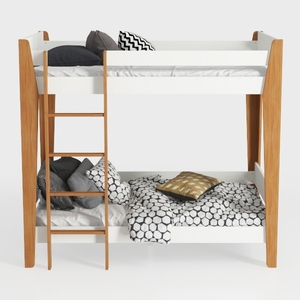
Modern Solid Wood White Bunk Bed 3D Model


Minimalist Corduroy Upholstered King Size Platform Bed 3D Model

Minimalist Solid Wood Stump Side Table 3D Model
Looking to transform your home? Homestyler is your go-to online platform! With its user-friendly design tool, stunning 3D renderings, and a plethora of inspiring design projects and video tutorials, you can effortlessly create your dream space—no design experience needed!
Diseño ahora GRATIS
































