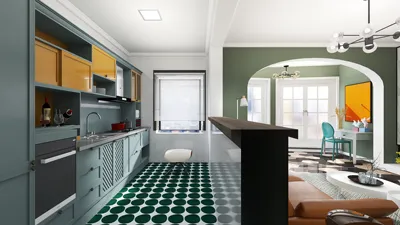


I often reminisce about a particular client request where they insisted I "make everything red"—including the floor, ceiling, and curtains. It was a daunting challenge! After a desperate redesign that ultimately salvaged the project, I discovered that painting a room red requires careful balance, contrast, and consideration of light. Even in smaller spaces, big creativity can emerge. If you’re tempted to paint your room red, it’s wise to begin with a quick 3D mockup using tools like Homestyler to foresee any potential surprises.
1. The Single Accent Wall
One of my go-to strategies is to paint just one wall red while keeping the others in softer neutral shades. This creates a striking focal point that brings in drama without overpowering the room; the benefit is excitement with less commitment, although do take care with the transition between colors by sanding and priming properly.
save pin
2. Red + Layered Neutrals
I frequently combine red with warm beiges and cool grays to soften its intensity. This method enhances brightness in smaller spaces while grounding the red. It can be budget-friendly if existing furniture is reused, though some alterations to textiles might be necessary to prevent muddiness.
save pin
3. Matte Textures and Venetian Plaster
Opting for a matte finish or a delicate Venetian plaster adds a layer of depth and elegance to red. I integrated this style into a snug dining nook—guests even mistook it for wallpaper! However, textured finishes can be pricier and harder to touch up, so be sure to plan for these costs, and consider hiring a professional for impeccable results. If you want to envision your room's layout first, utilize a quick floor sketch to plan furniture placement effectively.
save pin
4. Red in Small Doses: Trim and Doors
Painting accents like trim, doors, or built-in shelves in red introduces an element of surprise without needing to paint the entire room. This approach is cost-effective and reversible, though ensure that high-traffic doors are painted with durable options that can withstand periodic repainting.
save pin
5. Red for Kitchens and Dining Nooks
Red is a fabulous choice for kitchens, as it can stimulate appetite and conversation. I suggest using a satin or semi-gloss finish in splash-prone areas and a matte finish elsewhere. Before committing, test kitchen layouts and color placements by applying a small sample area to see how the light interacts with the hue.
save pin
FAQ
Q1: What shade of red should I choose for a small room?
Opt for a lighter, slightly muted red with warm undertones, as it tends to be less overwhelming in small spaces, adapting well under various lighting conditions. Bring samples home and test them on different walls at different times of the day.
Q2: Which paint finish is ideal for red?
Satin or eggshell finishes strike a balance between richness and ease of cleaning. While matte finishes are elegant, they can highlight marks more readily. Semi-gloss is ideal for durable trim and doors.
Q3: Will red make my room feel smaller?
While red can create the illusion of closer walls, strategic use—such as with an accent wall or trim—can enhance the coziness without making the space feel cramped. Pairing red with lighter flooring and reflective surfaces can help open up the area.
Q4: How do I prepare walls before painting red?
Ensure thorough cleaning, sanding, and priming with a quality primer, especially when covering darker colors. A neutral-tinted primer can minimize the number of coats of red needed.
Q5: Are there safety concerns with painting older homes?
If your house was constructed before 1978, it's crucial to test for lead-based paint before any sanding or scraping. According to the U.S. EPA, homes built before this year may contain lead-based paint, which requires specific safety precautions (epa.gov). Engage certified professionals for safe removal if necessary.
Q6: How do I accessorize a red room without overdoing it?
Incorporate metallic finishes, natural woods, and soft textiles to balance the intensity of red. A neutral rug and artwork featuring subtle red features can significantly enhance the decor.
Q7: Can painting a room red impact its resale value?
Vibrant colors are a matter of personal taste—some buyers will appreciate it, while others may not. To maintain resale value, consider utilizing red in easily reversible ways, such as through accent walls or doors, making repainting simple.
Q8: How many coats of red paint are typically required?
Usually, you can expect to need two to three coats after priming, which varies based on paint pigment and finish. High-quality paints can reduce the required number of coats and ensure an even finish.
save pin
Discover your home's potential with Homestyler! This user-friendly online design platform offers powerful tools for creating stunning 3D renderings, a wealth of inspiring design projects, and helpful DIY video tutorials. Perfect for both beginners and seasoned designers looking to transform their spaces effortlessly.
Diseño ahora GRATIS
































