


Direct Answer
The optimal cleaning techniques for various balcony flooring materials vary depending on the surface type. Tile floors are best cleaned with mild soap and water, concrete demands thorough scrubbing and stain treatment, wood requires gentle cleaning agents with limited moisture, and natural stone should always be maintained using pH-neutral cleaners to avoid harm.
Using inappropriate methods can lead to discoloration, erosion, or surface damage, so each material must be handled with care.
Quick Takeaways
Introduction
With more than ten years of experience in residential design, one of the most frequent questions I encounter is simple yet important: how do you properly clean a balcony floor? The answer depends on the material. Balcony surfaces can be tile, concrete, wooden decking, or natural stone, each reacting uniquely to cleaning agents, water, and scrubbing techniques.
I have observed many beautifully designed outdoor spaces get damaged due to improper cleaning methods—pressure washers removing wood sealants, acidic cleaners etching stone surfaces, and aggressive brushes scratching tile finishes. The issue is rarely cleaning frequency; rather, it is about using the wrong approach.
Before discussing specific materials, understanding how your balcony layout and flooring interact is essential. If you're planning or remodeling your outdoor space, using interactive tools like Homestyler can help visualize different balcony layouts and show how flooring choices impact maintenance long-term.
Below, I detail effective cleaning strategies for the most common balcony floor types, highlighting common mistakes many homeowners overlook.
save pin
Why Balcony Floor Material Matters When Cleaning
Key Insight: The composition and porosity of flooring determine cleaning methods and stain susceptibility.
Balcony floors are subjected to rain, dirt, plant debris, and urban pollution, and each material responds distinctly. Tile is non-porous and durable, while concrete readily absorbs stains. Wood expands with moisture exposure, and stone may chemically react to acidic substances.
From a design standpoint, I evaluate three major factors before suggesting cleaning practices:
According to the Natural Stone Institute and various outdoor flooring manufacturers, improper cleaning agents rank among the top causes of premature damage on outdoor floors.
This explains why a universal cleaning method often leads to long-lasting problems.
How to Clean Tile Balcony Floors Safely
Key Insight: Tile balconies are straightforward to maintain, but grout lines represent the main challenge.
Glazed ceramic or porcelain tiles resist stains effectively, making them popular in city apartments. However, grout is porous and can collect dirt and mildew.
Recommended cleaning procedure:
Common mistake: Using harsh acidic cleaners to whiten grout can gradually degrade it and damage the tile’s glaze.
For intricately patterned balconies, I often suggest using a visual floor layout planner like Homestyler to test tile patterns and drainage planning. Proper slope and tile positioning significantly curb dirt accumulation.
save pin
Cleaning Concrete Balcony Floors Without Damage
Key Insight: Concrete requires deeper maintenance due to its porous nature and susceptibility to moisture and staining.
Unlike tile, concrete absorbs moisture and contaminants quickly. Dust, plant fertilizers, and even metal furniture can leave lasting marks if not cleaned properly.
Effective approach:
For persistent stains such as rust or mildew:
Industry experts like the Portland Cement Association recommend sealing concrete outdoors to reduce absorption and simplify cleaning.
save pin
Best Way to Maintain Wooden Balcony Flooring
Key Insight: Wood decks need gentle cleaning and routine sealing to avoid moisture-related damage.
Wood decking offers warmth and natural appeal but is also the most sensitive balcony surface.
A prevalent error is over-washing, causing excess water to penetrate the wood grain, resulting in swelling or mold growth.
Safe maintenance routine:
Manufacturers such as Trex and TimberTech advise minimal water use and periodic resealing to preserve wood durability.
How to Clean Natural Stone Balcony Surfaces
Key Insight: Natural stone demands pH-neutral cleaners as acidic substances can cause irreversible etching.
Stone types like slate, travertine, and limestone offer elegant textures but require careful cleaning.
Recommended cleaning steps:
Avoid cleaning products containing vinegar, lemon, or bleach on stone surfaces since even one exposure can cause permanent dulling.
save pin
Quick Comparison Cleaning Methods by Floor Type
Key Insight: Each balcony flooring material needs specific water, pressure, and cleaning agent balance.
Here is a practical overview often cited in residential maintenance guides:
When designing or updating outdoor areas, using balcony design simulations on platforms like Homestyler helps compare flooring types to optimize both appearance and maintenance requirements.
Answer Box
The ideal cleaning method for balcony floors depends entirely on the surface. Tiles benefit from mild detergents, concrete calls for deep scrubbing, wood demands gentle moisture control, and natural stone requires pH-neutral cleaning solutions.
Final Summary
FAQ
How frequently should a balcony floor be cleaned?
Generally, light sweeping weekly and a thorough cleaning once a month suffice for most balcony surfaces.
What is the recommended way to clean concrete balcony floors?
The best practice is to sweep debris, scrub with a mild alkaline detergent, and rinse thoroughly.
Can pressure washers be used on balcony flooring?
Pressure washing is suitable only for concrete and some tile surfaces. On wood or tile grout, it may cause damage or dislodge grout.
How can tile balcony floors be cleaned without harming grout?
Use mild soap, warm water, and gentle brushes. Avoid acidic cleaners that weaken grout integrity.
Which cleaner is safe for natural stone balconies?
Always opt for pH-neutral stone cleaning products specially formulated for natural stone.
Is vinegar safe to use on balcony floors?
No, vinegar is acidic and can damage stone and grout surfaces.
How can wooden balcony floors be cleaned safely?
Use minimal water, cleaners made for wood, and soft brushes followed by yearly resealing.
Which balcony flooring is the easiest to maintain?
Porcelain tile is generally the simplest balcony flooring to clean and maintain.
References
Natural Stone Institute. Care and Maintenance Guidelines.
Portland Cement Association. Concrete Surface Maintenance.
Trex Outdoor Decking Care and Cleaning Guide.

Rustic Solid Wood Round Decorative Side Table 3D Model
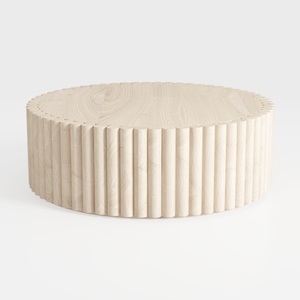
Minimalist Solid Wood Fluted Round Coffee Table 3D Model
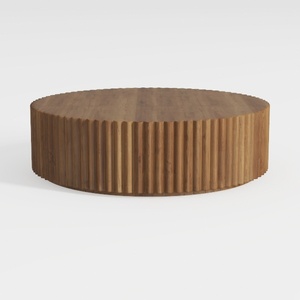
Minimalist Solid Wood Fluted Round Coffee Table 3D Model
Homestyler is an easy-to-use online home design platform offering powerful 3D rendering, a vast collection of design projects, and helpful DIY video tutorials. It’s perfect for creating and visualizing beautiful interior spaces with confidence and creativity.
Diseño ahora GRATIS
































