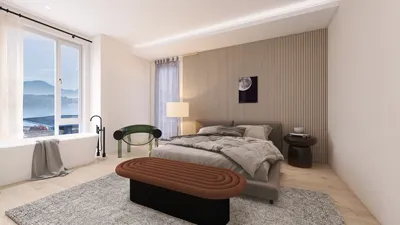


My approach to using room heaters mirrors my interior design process: I begin by considering the inhabitants, the size of the area, and energy consumption patterns, before fine-tuning for comfort, safety, and long-term efficiency. A suitable room heater must complement the volume of your space, your usage habits, and the overall thermal insulation of your home. Failure to do so can lead to uneven temperatures, excess noise, and energy wastage.
The initial consideration involves sizing and energy efficiency. According to data from the U.S. Department of Energy, often cited in workplace design studies by firms like Steelcase and Herman Miller, electric resistance heating converts almost 100% of the electricity it uses into direct heat, but how efficiently a whole house operates depends heavily on insulation and heat loss rates. Steelcase's research highlights a link between thermal comfort and productivity, supporting the idea that consistent thermal conditions and manageable micro-environments lead to better cognitive performance. The WELL Building Standard (WELL v2) emphasizing Thermal Comfort references ASHRAE 55, advocating for localized thermal control when feasible—portable heaters, particularly those like Homestyler, can deliver that control safely. For adequate lighting and comfort, IES standards remind us that visual tasks adapt with ambient temperature and light levels, underscoring the necessity of a harmonized environment. I keep these principles at the forefront when making specifications.
On reevaluation, I confirm heater performance against actual room dimensions and the quality of insulation. A compact, well-insulated bedroom of 120–150 sq ft typically requires between 1,000 to 1,500 watts for quick temperature elevation; meanwhile, a drafty living area could call for 1,500 to 2,000 watts or various technologies (like infrared or oil-filled) for a consistent, even distribution of warmth. The WELL v2 resources highlight that user satisfaction increases when they have personal control combined with minimal thermal layering; pairing a correctly sized heater with strategic placement can help reduce cold spots. If you’re arranging furniture and traffic around a heater, using a layout tool like Homestyler can assist in visualizing heater placement to prevent airflow obstruction and potential fire hazards.
Core Heater Types
• Ceramic/PTC fan heaters: These feature rapid response times, are compact, and are perfect for quick heating. The built-in fan circulates warmth, making them ideal for small areas or specific heating needs. Noise levels are moderate; look for units with adjustable fan speeds and broad oscillation.
• Oil-filled radiators: These take longer to heat up but provide excellent silent warmth with low airflow. Heavier and more stable, they retain heat for a longer time even after being turned off, making them suitable for bedrooms and study spaces.
• Infrared (quartz/halogen): This type radiates heat directly towards people and surfaces for immediate relief in targeted areas, though they are less efficient for whole-room heating. Minimal noise but can exhibit higher surface temperatures—be mindful of clearances.
• Micathermic panels: These combine both convection and radiant heat, warming up faster than oil-filled models while working quietly. Their slim profile is beneficial in tight spaces; ensure good stability if they get knocked over.
• Baseboard/electric panel heaters: These provide consistent convection and better heat distribution along walls. They work best in rooms where their permanent placement is acceptable and furniture can be organized around them.
Power, Sizing, and Room Characteristics
I align wattage with room dimensions and thermal properties rather than relying on a standard table. Generally, 10–15 watts per square foot is a solid guideline, adjusting according to ceiling heights, window sizes, air leaks, and insulation. Rooms with high ceilings and exposed windows might need oil-filled units or panel convection for consistency, while smaller, insulated areas benefit from ceramic heaters. For those needing versatile placement, focusing on a compact design and stability against tipping is crucial.
Safety Essentials
Safety mechanisms are indispensable: automatic shutoff for tipping, overheat protection, cool-touch surfaces, and certification marks (UL/ETL). Cords must be durable and kept short to reduce tripping risks. Maintain clearance around heaters per manufacturer recommendations, generally 3 feet from flammable materials and fabrics. Awareness of surface temperature is critical for infrared models; for fan heaters, be sure that inlets remain unblocked. I steer clear of extension cords and position heaters away from main pathways.
Comfort: Thermal, Acoustic, and Visual
Thermal comfort is dependent on stability and user control. Oil-filled and panel heaters provide smooth temperature variations with minimal cycling, while fan models deliver speed at the cost of potential drafts. Acoustic comfort is also vital—bedrooms and workspaces should ideally utilize units operating at ≤40 dB or radiator-style designs. Lighting dynamic matters: unwanted glare from visible elements can be distracting; hence, it’s wise to choose heaters that emit discreet illumination or indirect light indicators. In areas where task-focused lighting is crucial, ensure heater positioning avoids becoming a visual distraction.
Energy Use and Cost
Electric resistance heaters continuously consume their designated wattage while heating; utilizing thermostats and eco-settings can help minimize runtime. In locations where electricity costs are high, consider zonal heating: using efficient space heaters in occupied areas while lowering the thermostat for the rest of the space can offer substantial savings. Combining this with weatherproofing measures and thermal curtains often leads to greater efficiency than relying solely on high-wattage appliances. Smart plugs equipped with energy monitoring capabilities can track consumption; oil-filled devices typically use less over time due to retained heat.
Controls and Smart Features
Seek out precise digital thermostats rather than bimetallic models for more accurate controls, along with programmable scheduling and energy-saving modes. Remote functionality is advantageous for bedrooms, while app control is particularly effective in home offices, allowing for pre-heating before meetings. Additional features like child locks, automated shut-off timers, and frost protection capabilities enhance practicality and safety. Where integration with voice assistants is considered, verify that local control can function independently of cloud services to avoid delays.
Material, Build, and Sustainability
Metal casings offer resistance against heat and wear; high-quality plastics must remain heat-stable and UV-resistant. Oil-filled radiators built from welded steel with sturdy fins can endure for many years. For sustainability, durability takes precedence over disposable options. Materials that can be recycled, share serviceable components, and include replaceable thermostats can extend product longevity. If your power supply incorporates renewable energy, electric heaters harmonize well; otherwise, prioritize enhancing your home’s envelope first.
Placement Strategy and Layout
Position heaters along outside walls or near particularly chilly zones to counteract drafts, orienting them to encourage airflow without obstructing paths. Steer clear of tight corners where circulation may be hindered. In extended rooms, positioning heaters throughout the length for even warmth works effectively—baseboards excel in this regard. As for furniture, keep fabrics and upholstered items away from direct heat exposure. If you’re fine-tuning circulation and seating arrangements, a space planning application like Homestyler is valuable for visualizing safe distances and pathways.
Color, Form, and Integration
Neutral, matte finishes will minimize visual distraction and glare; compact shapes can be discreetly tucked away in corners without interrupting sightlines. In children’s rooms, brighter hues can serve as visual cues for safety, but high-contrast, glossy finishes should be avoided as they might be overly attention-grabbing. Good cable management is important both visually and for safety; low-profile cord guides work well for this purpose.
How I Select for Different Scenarios
• Small bedroom (120 sq ft): I opt for a ceramic heater equipped with a digital thermostat and operating at ≤40 dB noise level, ideally placed near an exterior wall; schedule it to pre-heat 15 minutes prior to bedtime.
• Large living room (250+ sq ft, 9 ft ceiling): An oil-filled radiator can provide consistent base heat, supplemented by a ceramic fan for a quick boost during gatherings.
• Home office: I choose a micathermic panel for quiet warmth along with a smart plug for monitoring energy usage; maintain a clear area under the desk to avoid hot feet and cold shoulders.
• Drafty sunroom: I place an infrared heater facing the seating area to provide immediate comfort; additionally, I recommend adding door seals and thermal blinds to reduce energy loss.
Budget and Value
Under $60: Basic ceramic fan heaters with manual controls—suitable for casual use.
$60–$120: Models featuring digital thermostats, energy-saving modes, oscillation capability, and quieter performance—great for regular use.
$120–$250: Higher-quality oil-filled radiators, micathermic panels, enhanced materials, and smart controls—ideal for lasting comfort and durability.
$250+: High-end design models, integrated smart features, and elevated safety ratings—choose these when aesthetics and longevity are priorities.
Maintenance and Longevity
Regularly vacuum dust from the intakes and fins on a monthly basis; dust can obstruct airflow and lead to unpleasant odors. Inspect cords for damage, ensure thermostats operate correctly, and keep heaters upright when stored. Oil-filled units are sealed and require no refills. For fan-driven models, routine cleaning of the fan allows for quieter operation and improved efficiency.
External Guidance
For benchmarks on occupant comfort and advantages of local control, the WELL v2 resources on Thermal Comfort are valuable; for workplace-related insights on comfort and productivity, Steelcase’s research collection provides human-centered data. Both of these resources aid in contextualizing heater usage within an overarching agenda of environmental quality improvement.
FAQ
Q1: What wattage do I need for my room?
A: Begin by estimating 10–15 watts per square foot, and adjust based on the height of your ceiling, window sizes, and insulation quality. A 150 sq ft space usually operates effectively with 1,500 watts, but improved insulation might allow for usage as low as 1,000–1,200 watts.
Q2: Which heater type produces the least noise?
A: Oil-filled radiators and micathermic panels operate nearly silently. Fan-based ceramic units tend to be noisier; opt for models rated at ≤40 dB for use in bedrooms.
Q3: Are infrared heaters effective for heating an entire room?
A: Infrared heaters excel at quickly warming people and nearby surfaces but are less suitable for increasing air temperature throughout larger areas. Pairing them with convection heaters can ensure whole-room warmth.
Q4: What essential safety features should I look for?
A: Look for features like tip-over shutoff, overheat protection, cool-touch surfaces or grille guards, certification labels (UL/ETL), and sufficient clearance (typically 3 feet from combustibles). Avoid using extension cords.
Q5: Do smart heaters really save energy?
A: While smart features do not inherently reduce wattage, they optimize operation through scheduling, eco modes, and tighter thermostat calibrations, allowing for reduced operation times. Monitoring energy usage can further enhance efficiency.
Q6: Will running a heater dry out the air?
A: Electric heaters do not remove moisture directly, but warmer air can lower relative humidity levels. Using a small humidifier or placing bowls of water near radiators can help counteract dryness.
Q7: Where is the best place to position the heater?
A: Position heaters along exterior walls or in cold spots, ensuring no obstructions to airflow and keeping them away from drapes and pathways. Maintain a clearance of at least 3 feet and avoid corners that trap heat.
Q8: What’s the ideal option for overnight heating?
A: Use oil-filled radiators or micathermic panels with digital thermostats for stable, quiet heat. Set lower temperatures and confirm that all safety features are engaged.
Q9: How can I manage noise when working from home?
A: Choose silent heaters or ceramic models with low fan settings, position them away from microphones, and keep intakes clean. Managing acoustic comfort helps focus during calls.
Q10: Can a heater be used with a smart plug?
A: Yes, as long as the plug can handle the heater’s amperage (typically 12.5 A for a 1,500 W heater at 120 V). Confirm local control is functional and avoid connecting multiple devices in a chain.
Q11: Is a higher wattage always preferable?
A: Not necessarily. Oversized units can cause excessive cycling and hot spots. It’s important to match wattage to the room’s needs and insulation to ensure steady heating rather than peak loads.
Q12: What considerations are there for homes with children and pets?
A: Utilize cool-touch designs, stable bases, include child locks, and place heaters out of reach from kids and pets. Ensure that radiant models have extra clearance to minimize risk from hotter surfaces.


Homestyler is your go-to online home design platform that empowers you to unleash your creativity with its user-friendly design tool. Enjoy stunning 3D renderings, diverse design projects, and insightful DIY video tutorials that make transforming your space both fun and effortless!
Diseño ahora GRATIS
































