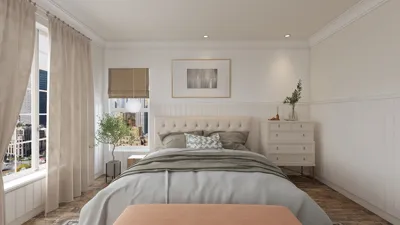


I've discovered that selecting the ideal stool can subtly enhance a drawing room, providing flexible seating, managing foot traffic, and establishing a sense of rhythm in the space without being overpowering. When I choose stools, I focus not just on their looks but also on ergonomics, acoustics, light reflection, and material quality, ensuring they are as comfortable to use as they are pleasing to the eye.
Comfort is essential, even for seating that is used occasionally. The WELL v2 ergonomics guidelines suggest that proper posture support and suitable seat heights can alleviate strain. Generally, suitable seat heights fall between 17 to 19 inches, promoting neutral hip angles (WELL v2 Ergonomic Support). According to research from Steelcase, posture often shifts during social events, making lightweight and movable seating options practical for multipurpose areas. These standards ensure stools are accessible for individuals of all ages and body types.
Lighting plays a pivotal role in how materials and finishes are perceived. IES guidelines suggest that balanced ambient lighting in living spaces should aim for 100 to 300 lux during general use, with task lighting introduced as necessary. Under these conditions, glossy surfaces may create glare, while matte or low-sheen materials can diffuse light, maintaining visual comfort. Such insights guide me in selecting materials to prevent eye strain while ensuring a serene and elegant aesthetic.
How to Select the Appropriate Stool Height
The height of a stool should align with the surface height and the desired sitting position. For areas close to lounges, a seat height of 17 to 19 inches helps to maintain a 90-degree angle at the knees and works well next to sofas or low consoles. For counter-height surfaces (24 to 26 inches high), stools that correspond to approximately 36-inch surfaces are effective, especially if your drawing room includes a bar area. If there’s a high display shelf or ledge at 42 inches, opt for bar-height stools (28 to 30 inches). Always measure from the finished floor to the surface's underside and allow for 9 to 12 inches of knee clearance. An additional 1 to 2 inches is recommended if the stool has a thick cushion.
Proportion, Scale, and Spatial Flow
Stools can either anchor or soften a room's composition based on their size. I typically choose seat diameters between 14 and 18 inches for smaller rooms, expanding to 18 to 20 inches in larger areas. Visually, pairing two smaller stools with one larger lounge chair can create a balanced ratio, or arranging a trio around a coffee table helps establish a rhythmic design that echoes the architectural details. To experiment with traffic flow and space management, a room layout tool like Homestyler can assist in simulating clearances around furniture and visualizing stool placements.
Comfort Elements: Cushioning, Seat Shape, and Footrests
For seating that is used for brief durations, medium-density foam (approximately 1.8 to 2.2 lb/ft³) with a comfortable top layer is ideal for relieving pressure. Scoop-shaped seats naturally guide the body's posture and alleviate pressure on the thighs. When selecting counter or bar stools, integrating a footrest is essential; without it, there is a risk of calf fatigue and anterior hip tilting. Choosing stools with rounded edges and waterfall fronts minimizes discomfort, particularly important for guests who may be seated intermittently during gatherings.
Materials and Sustainability Considerations
I prefer solid woods such as oak, ash, and walnut, finished with low-VOC products to ensure both tactile appeal and durability. Metal frames made from powder-coated steel or aluminum provide strength without adding bulk. For upholstery, natural fibers like wool-blend bouclé offer resilience and sound absorption, while performance fabrics that resist stains are advisable for frequently used spaces. When opting for leather, semi-aniline is a great choice for balancing durability with aesthetic wear. Sustainable choices should prioritize materials that allow for repairs and are sourced from FSC-certified timber, enhancing both the lifecycle and character of the room.
The Psychology of Color and Palette Planning
Colors significantly influence mood. Neutrals and desaturated shades promote tranquility in an active living area, while small bursts of saturated hues can invigorate conversation spaces. Insights from color psychology indicate that blues tend to foster calmness, and warm colors can enhance sociability. By pairing a warm-stained wood stool with cooler upholstery, I achieve a balanced temperature in the space, or I might introduce a muted green to create a restorative ambiance, especially when natural light is limited.
Achieving Acoustic Comfort
Drawing rooms can be quite lively; using stools with soft seating and wrapped bases can help absorb high-frequency sounds and minimize noise. Felt pads under stool legs protect the flooring and reduce impact sounds. Metal stools placed on hard surfaces without protection might produce resonant noises, making conversations feel harsher than necessary.
Form Factors: Backless, Low-Back, and Swivel Options
• Backless: These options provide a clean look, easily tucking away under consoles or window seats while maintaining sightlines. • Low-back: Offering light lumbar support, these stools do not obstruct the view, making them ideal for longer discussions. • Swivel: Perfect for dynamic social settings; when selecting, ensure they have quiet bearings and sturdy bases to avoid wobbling. • Nesting/Stackable: An excellent choice for space-saving in apartments; they store vertically and can be used as needed when guests arrive.
Strategies for Placement and Flow
Arrange stools to create small activity zones: positioned near a fireplace for casual seating, at the edge of a coffee table for additional spots, or by a bookshelf as informal reading chairs. It’s essential to maintain at least 24 to 30 inches of clearance behind any stool located in busy pathways. Avoid positioning stools directly in front of doors or return air vents. If experimenting with arrangements, an interior layout planner like Homestyler can facilitate quick adjustments: interior layout planner.
Design Trends for 2024–2025
Emerging trends feature textured fabrics such as bouclé and chenille, along with soft curves and sculptural wooden bases. Warm metallics like champagne and brushed brass complement walnut and olive upholstery beautifully. Compact stools equipped with removable slipcovers are becoming increasingly popular for easy updates. In smaller spaces, multifunctional storage stools that conceal throws or magazines help to keep surfaces uncluttered, contributing to a calm environment.
Maintenance and Longevity Practices
For wooden furniture, using a gentle pH-neutral cleaner helps to maintain finishes. Upholstery should be vacuumed weekly with a soft brush; stains should be blotted rather than scrubbed. It’s recommended to check and tighten hardware every six months to prevent loosening, especially on swivel stools. Additionally, rotating the stools within the room can help evenly distribute UV exposure and wear.
Quick Buying Checklist for Stools
• Height that matches the surface with 9 to 12 inches of knee clearance • A stable base that prevents rocking or tipping • Footrest for counter and bar stools • Medium-density foam with rounded edges for comfort • Matte or low-sheen finish to reduce glare under 100 to 300 lux ambient light • Upholstery with high abrasion resistance (30,000+ double rubs for performance textiles) • Felt pads or soft bases to control sound • Responsible materials with repairable construction
Frequently Asked Questions
General seating heights of 17 to 19 inches help keep knees at a 90-degree angle, aligning with standard sofa heights to support relaxed seating.
To ensure comfortable circulation, keep 24 to 30 inches clear behind stools and maintain 18 inches around the coffee table. Typically, two to three compact stools are suitable for medium-sized rooms; smaller spaces may require fewer.
Indeed, footrests are essential to minimize calf and lower back strain while promoting a neutral pelvic position, particularly at heights between 24 and 26 inches.
Look for durable fabrics with stain-resistant properties and high abrasion ratings, or opt for tightly woven wool blends that resist pilling while also providing acoustic benefits.
At typical ambient light levels (around 100 to 300 lux), high-gloss finishes can create distracting reflections. Choosing matte or low-sheen materials is ideal for maintaining visual comfort.
For short visits, all stool types are appropriate. For prolonged conversations, select low-back designs with gentle lumbar support or wider, scooped seats to ease pressure points.
Stools with soft seating, upholstered bases, and felt pads can absorb and mitigate high-frequency sounds, making them effective for reducing noise on hard floors.
Opt for stools with wide, stable bases or well-weighted pedestal bases for safety. If choosing swivel options, ensure they have low centers of gravity and quality bearings to minimize wobbling.
Utilize a layout simulation tool such as Homestyler to model stool positioning, traffic flows, and door swings, adjusting proportions until the arrangement feels effortless.
Desaturated neutral tones create a calming atmosphere, complemented by discreet warm accents such as cognac and brass to invigorate conversational spaces without creating visual clutter.


Discover your design potential with Homestyler! This intuitive online home design platform offers a powerful design tool, stunning 3D renderings, and a plethora of inspiring design projects. Plus, you'll find helpful DIY video tutorials to guide you along the way. Create your dream space effortlessly!
Diseño ahora GRATIS
































