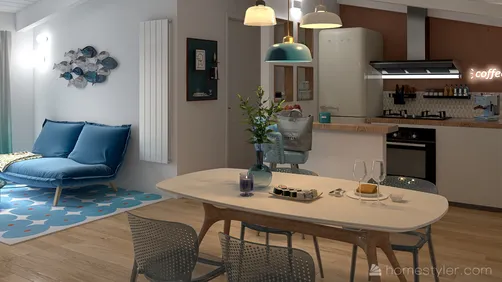
Over the years, I have crafted nearly a dozen plywood tables for various spaces, including studios, dining areas, and project rooms. Plywood is not only durable but also visually appealing and adaptable; with the appropriate design, fasteners, and finishing touches, you can create a table that appears custom-made and stands the test of time. For a practical baseline, a standard table height of 29–30 inches is ideal for supporting a neutral posture for most adults, while the typical dining table depth ranges from 30 to 36 inches, ensuring comfort and adequate legroom. According to Steelcase research, varying postures are crucial for comfort during different tasks, and furniture that maintains neutral joint angles helps reduce fatigue over time. The WELL v2 standard also underscores the importance of ergonomic access zones and comfortable reach ranges for frequently used surfaces, highlighting the necessity of having the right height and knee clearance. Incorporating design tools like Homestyler can further assist in optimizing your table's fit in any space.
In compact spaces and multifunctional rooms, the sizing of furniture is essential. Studies by Herman Miller suggest that furniture designed for easy reconfiguration enhances perceived productivity and satisfaction, especially in smaller environments. Practically speaking, a tabletop size of 48 x 24 inches is suitable for single users or intimate dining for two, while a 60 x 30 inch table can comfortably accommodate four people. If the table will be used for laptop work or sketching, it's advisable to allocate at least 24 inches of width per user. Regarding lighting, I recommend aiming for a brightness of 300–500 lux on the work surface, in line with IES task lighting recommendations, to minimize eye strain and ensure surfaces remain clear during tasks such as cutting and assembly.
Design Intent and Proportions
To determine how the table will be utilized—dining, crafting, laptop work, or a combination of uses—start with a rectangular tabletop for simplicity, ensuring to round the corners to a radius of 25–40 mm for safety and comfort. Maintain leg setbacks of 3–4 inches from the edge so that your thighs can fit comfortably while sitting. If space is tight or you need to visualize movement around the table, utilizing an interior layout planner can help test clearances before committing to cuts. Tools like Homestyler are excellent for simulating space and testing circulation.
Materials and Hardware
Select a stable plywood option, like Baltic birch or high-quality 11–13 ply panels, ideally with a thickness of 3/4 inch for the tabletop; 1/2 inch thickness works well for aprons or shelves. Ensure the plywood has void-free cores and is straight. For structural integrity, I use coarse-thread pocket screws designed for plywood, along with PVA wood glue, and opt for either prefabricated metal legs or solid wood legs. If constructing plywood legs, laminate two pieces together to achieve a 1 1/2 inch thickness for added sturdiness. If removable legs are desired, threaded inserts will be necessary. For finishing, I recommend using waterborne polyurethane, which provides a clear, low-VOC seal and resists damage from cup rings. Edge banding with birch veneer covers exposed plies, or you can choose to leave them visible for a contemporary look.
Cut List and Dimensions
Here’s an example for a table measuring 60 x 30 inches at a height of 30 inches:
An apron depth of 3–4 inches ensures stability without interfering with knees. Maintain a 3/4 inch setback from the edge of the top for a clean appearance.
Tools You’ll Need
You will require a circular saw or track saw, a drill/driver, a pocket hole jig, clamps, a measuring tape, a square, sanding blocks with grits of 120/180/220, a brush or foam applicator, and necessary safety gear such as glasses, hearing protection, and a dust mask. A router with a round-over bit can help finish the edges, although it is not strictly essential.
Step-by-Step Build
Begin by sketching the table design and verifying room clearances. For dining tables, ensure there’s at least 36 inches of space around the table for movement; while 30 inches is a tighter fit but still workable. Use a sharp pencil and square to mark cuts, and label each part to prevent confusion during assembly.
Place the plywood on protective supports and use a straight-edge guide for precise cuts. If you wish to have softened corners, trace a consistent radius with a template and use a jigsaw to cut, then sand until smooth.
Cut the aprons to the desired width and length. Drill pocket holes at each end and approximately every 8–10 inches along the bottom edge, balancing pull strength while minimizing the risk of blowouts. Lightly chamfer the edges to prevent splinters.
Choose between Option A: using metal legs for quick assembly; Option B: crafting laminated plywood legs by gluing two pieces, clamping them evenly, allowing to cure, and then squaring the ends; or Option C: employing solid wood square legs. Ensure legs meet the aprons flush to control wobble, using corner blocks for triangulation.
Assemble the aprons under the tabletop initially without glue to check alignment. Measure the diagonals to ensure they are within 1/8 inch of each other.
Once aligned, apply wood glue to the apron edges, clamp them down, and drive in pocket screws. Add corner blocks using glue and screws inserted at 45 degrees into the aprons. If you opted for removable legs, install threaded inserts now and verify the fit.
Sand the surface starting with 120 grit, progressing to 180, and finishing with 220 grit for a smooth texture. Lightly round the edges of the top; sharp edges can wear and feel rough against forearms. Vacuum any dust between grits to keep the surface clean.
Finish by applying two to three coats of waterborne polyurethane or hardwax oil, sanding lightly with 320 grit between each application. Allow the finish to cure according to the manufacturer's instructions. For added durability, consider applying an extra coat to high-contact areas.
To protect your floors and even out minor irregularities, install adjustable feet or felt pads. Check for stability; if necessary, add a concealed stretcher between the long aprons.
Comfort, Lighting, and Use
Comfort hinges on height, knee clearance, and the softness of edges. Maintain seating widths at 20–24 inches per person on the longer sides. When it comes to task use, aim for a lighting level of 300–500 lux on the tabletop, utilizing a diffuse lamp to minimize glare; position your lights off to one side to reduce shadows when engaged in activities like cutting or writing. If the table will accommodate laptops, including cable grommets near the corners will help manage wires effectively. I prefer to avoid high-gloss finishes that reflect task lighting; opting for semi-matte finishes is easier on the eyes and helps hide wear.
Material Selection and Sustainability
Select plywood that meets stringent certification standards and has low levels of added formaldehyde. Baltic birch with its multi-ply core is resistant to warping and handles fasteners well. Waterborne finishes help reduce VOCs and odors. If you decide to keep edges visible, ensure clean cuts and meticulous sanding, as these layers can become a stylish design feature.
Layout and Room Integration
Before the final assembly, confirm that circulation paths, chair push-back, and adjacent storage clearances are adequate. Pair the table with chairs that have a seat height of 17–19 inches for optimal posture. In smaller studios, consider mounting the table on locking casters for easy reconfiguration. If you're combining a sofa, bookshelf, and table within a single space, a tool for visualizing room designs can assist in evaluating clearances and movement flows. Tools like Homestyler are ideal for testing different placements while ensuring a minimum walkway of 36 inches wherever feasible.
Finishing Touches and Style
You can choose to expose the plywood edge for a modern aesthetic, or apply a birch edge band for a clean Scandinavian style. A slight bevel beneath the tabletop can enhance the visual slenderness of the profile. If the table serves as a craft space, consider adding a slim under-top rail to accommodate clamps or other accessories.
Maintenance and Longevity
Promptly clean any spills to avoid raised grain. Every 12 to 18 months, reapply a thin layer of finish on areas that experience high wear. To minimize yellowing, keep the table out of prolonged direct sunlight; an ambient light of warm white color (2700–3000K) helps maintain soft and inviting wood tones.
Reference Research
For guidelines on ergonomic standards and task comfort, consult research from Steelcase and Herman Miller. The WELL v2 standard offers recommendations for comfort and lighting ranges appropriate for healthy work surfaces.
FAQ
Using 3/4 inch thickness ensures rigidity and proper fastener engagement. If you prefer a thinner visual profile, you can laminate a frame beneath a 1/2 inch top to help prevent sagging.
The practical minimum dimension is 60 x 30 inches. Ensure at least 20–24 inches of seating width per person and a depth of 12–15 inches for plates.
Yes, laminate two pieces to form a 1 1/2 inch thickness, ensuring that the layers are oriented perpendicularly, and reinforce with corner blocks at the apron joints to prevent racking.
Waterborne polyurethane provides clear protection with reduced VOCs. Apply two to three coats, sanding lightly between layers for optimal finish.
Ensure that aprons are square, incorporate corner blocks, and check that all diagonals are within 1/8 inch of each other. Adjustable feet are beneficial on uneven surfaces.
No, exposed plywood edges can be styled to enhance functionality if they are sanded well. Edge banding provides a refined look while protecting the materials from chipping.
For task comfort, aim for lighting levels between 300 and 500 lux on the working surface, consistent with IES guidelines. Use diffused fixtures to minimize glare.
A height of 29 to 30 inches is appropriate for dining and light work. Pair it with chairs that have a seat height of 17 to 19 inches for optimal posture support.
Install threaded inserts in the aprons or underside of the tabletop and use machine bolts to facilitate easy transport and reconfiguration.
Maintain apron depths of 3–4 inches and position them 3/4 inch back from the top edge to preserve knee clearance.
A 3/4 inch tabletop with 3–4 inch aprons effectively minimizes sagging over standard spans. For tables exceeding 72 inches in length, a central stretcher may be needed.
Utilize a routing template or jigsaw with a marked radius of 25–40 mm, then sand to achieve a seamless curve to prevent snags and injuries during use.
Homestyler is your go-to online home design platform. With its user-friendly design tool, stunning 3D renderings, a wealth of inspiring design projects, and helpful DIY video tutorials, you can effortlessly create and visualize your dream spaces. Transform your home design journey today!