

Direct Answer
Carpet padding and underlay significantly enhance home theater acoustics by absorbing mid and high-frequency sound reflections, as well as minimizing floor vibrations. The ideal combination of padding density and thickness helps control echo, sharpen bass response, and prevents sound waves from bouncing excessively within the room.
In most home theater setups, installing dense rubber or premium foam padding beneath carpet yields notable improvements in acoustics compared to carpet alone.
Quick Takeaways
Introduction
Over more than ten years of designing dedicated media rooms, I’ve observed that homeowners often overlook a crucial factor: flooring layers greatly influence theater sound nearly as much as speaker placement. While acoustic panels and subwoofer positioning get plenty of attention, the impact of what lies beneath your feet is seldom considered.
Carpet padding and underlay play a surprisingly vital role in shaping home theater sound quality. On several projects, upgrading to a denser padding was key to eliminating persistent echoes that even high-end speakers couldn't resolve.
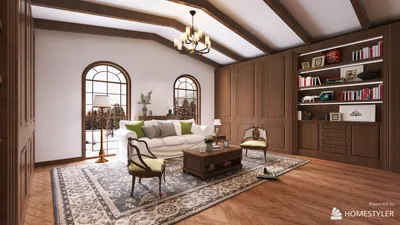
Planning your home theater layout should include flooring choices alongside seating and speaker arrangements. Many users begin by experimenting with room layouts using design software, such as Homestyler, which aids in visualizing seating rows and flow before selecting materials like carpet padding.
This article will explore how carpet padding influences sound absorption, identify the best materials for media room acoustics, and highlight common mistakes to avoid when optimizing your theater's sound environment.
save pin
The Role of Flooring Layers in Theater Room Acoustics
Key Insight: Flooring layers act as the initial sound absorber in a home theater, diminishing reflections that occur between the floor and ceiling.
Hard surfaces such as tile, laminate, or hardwood reflect nearly all sound waves. In a theater, these reflections interfere with speech intelligibility and cause echoes.
Combining carpet with appropriate padding creates a multi-layered sound barrier where each layer slightly dampens sound energy instead of reflecting it.
According to Audio Engineering Society standards, soft surfaces covering 30–50% of a room noticeably reduce early sound reflections. Though flooring rarely covers that percentage alone, it establishes the foundation for balanced acoustic performance.
Types of Carpet Padding for Media Rooms
Key Insight: The acoustic effectiveness of carpet padding depends largely on density rather than softness.
Many believe thicker or softer padding provides better sound absorption; however, low-density foam often compresses and reflects rather than absorbs sound.
The most effective padding options for media rooms typically include:
In professional theater installations I've been involved with, rubber padding remains the preferred choice due to its long-term density retention and durability.
save pin
Rubber vs Foam Underlay for Sound Absorption
Key Insight: Rubber underlay excels at vibration absorption compared to foam, making it ideal for serious home theaters.
Foam padding is accessible and affordable but presents acoustic drawbacks. It tends to compress beneath seats and loses effectiveness over time.
Rubber underlay preserves its density and resilience, ensuring consistent performance.
From my own installations:
Commercial cinemas frequently utilize rubberized underlay beneath patterned carpets to dampen footfall noise and enhance sound isolation between floors.
How Padding Thickness Affects Sound Control
Key Insight: Medium thickness combined with high density outperforms extremely thick but soft padding for acoustic control.
This misconception is common in home theater projects.
Homeowners sometimes install excessively thick padding expecting superior absorption. In truth, overly soft padding can cause issues such as:
Recommended padding specifications for media rooms include:
It's crucial to plan these flooring layers in concert with room layout. Designers often rely on tools—like Homestyler—that model seating and flooring arrangements in 3D to test interactions before installation.
save pin
Combining Carpet and Acoustic Treatments
Key Insight: While carpet padding aids acoustics, it cannot substitute for comprehensive wall and ceiling sound treatments.
Flooring mitigates initial reflections from below, but sound still propagates across walls and ceilings.
A well-balanced home theater usually incorporates:
When all these elements integrate effectively, reverberation is minimized while maintaining clarity. Tools such as Homestyler enable homeowners to visualize a complete home theater environment—including flooring, walls, and seating—in realistic detail.
save pin
Installation Tips for Maximum Sound Dampening
Key Insight: Even premium carpet padding loses effectiveness if installation results in gaps or compression zones.
Common installation errors that degrade acoustic performance include:
Professional installers typically:
Attention to these finer points can substantially improve sound uniformity throughout the room.
Best Padding Choices for Different Theater Sizes
Key Insight: The size of a theater influences the optimal padding density and acoustic approach.
Different room dimensions may require tailored flooring strategies.
Answer Box
The optimal carpet padding for home theaters is dense rubber or high-density felt approximately 7 to 10 millimeters thick. These materials effectively absorb reflections, reduce floor vibration, and maintain their acoustic benefits longer than softer foam options.
Final Summary
FAQ
Does carpet padding truly impact home theater acoustics?
Absolutely. Carpet padding absorbs sound reflections and diminishes floor vibrations, enhancing dialogue clarity and reducing echoes.
What type of carpet padding works best in home theaters?
Dense rubber or felt padding about 7–10 millimeters thick is generally regarded as the best choice for theater acoustics.
Is thicker carpet padding always better for soundproofing?
Not necessarily. High-density materials outperform excessive thickness, as overly soft padding can compromise acoustic stability.
Does carpet assist with bass management?
Carpet primarily absorbs mid and high frequencies. Effective bass control usually requires dedicated bass traps or structural isolation.
Is foam padding suitable for media rooms?
Foam padding provides comfort but typically underperforms compared to rubber underlay in sound absorption.
How does carpet influence overall home theater acoustics?
Carpet reduces sound reflections, diminishes footfall noise, and limits vibration transfer, resulting in clearer and better-controlled audio.
Can carpet padding prevent sound leakage into other rooms?
It offers some reduction, but effective soundproofing requires proper insulation and wall isolation.
Should a home theater feature carpet or hardwood flooring?
Carpet paired with acoustic padding is generally preferred due to its ability to absorb reflections and enhance sound quality.


Homestyler offers an easy-to-use online design tool with stunning 3D renderings, inspiring design projects, and helpful DIY video tutorials. It’s perfect for bringing your home design ideas to life, whether you’re a beginner or a seasoned decorator.
Diseño ahora GRATIS
































