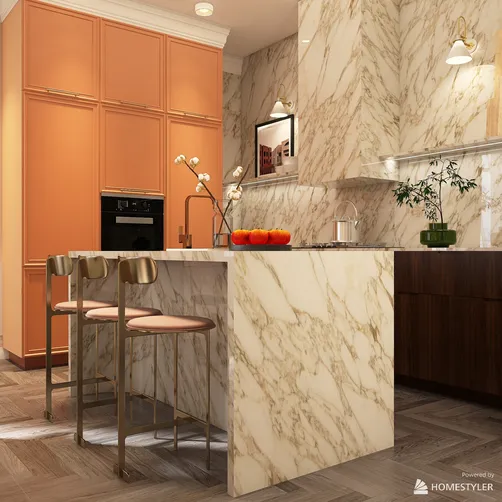
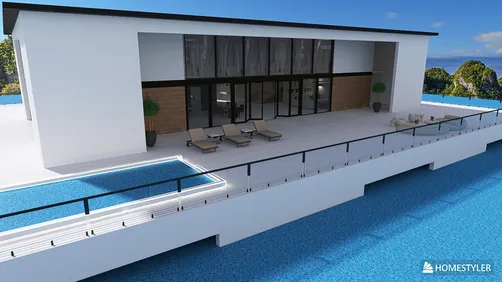
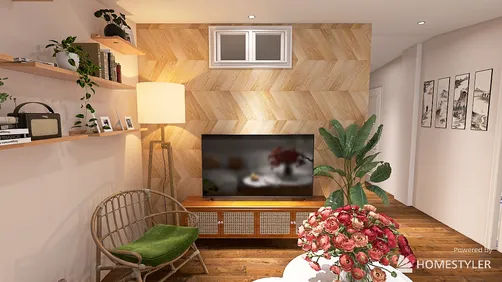
As we look toward the future, our lifestyles are gradually reshaping through subtle changes, particularly as families navigate the challenges of multigenerational privacy and energy efficiency. Recent surveys by the NAHB indicate a significant uptick in demand for adaptable multi-gen home designs, marking a shift in new construction trends. This brings to mind the innovative 5-bedroom duplex Indian farmhouse floor plans, which may set the standard for future living arrangements. I envision a spatial reasoning toolkit as I contemplate these evolving dynamics.
Dual-Wing Courtyard Duplex
Design Principle: This layout features two symmetrical bedroom wings surrounding a central courtyard, akin to two processors utilizing a shared thermal sink—ensuring both privacy and a sense of community.
Flow: The layout transitions from the entryway to a mudroom, down a gallery corridor, into the courtyard, and finally into the living and dining areas; the wings extend to the bedrooms, with service stairs connecting multiple levels.
Sightlines: The gallery presents layered views framed by verandahs, with kitchen windows aligning with orchard arrangements, presenting a user interface of green and blue skies.
Storage: Ample wall recesses, attic accesses, and grain-room storage options provide convenient, quick access to essential items close to their usage points.
Furniture Fit: With room heights of 9 to 10 feet, there’s ample space for king-sized beds and traditional charpai beds; dining arrangements fit within a 1.2-meter grid, ensuring a clean layout.
Conclusion: This design is flexible enough to accommodate both festive gatherings and serene everyday life; looking ahead five years, it promises to support resilient community interactions.
Save pin
Split-Level Verandah Spine
Design Principle: A split verandah serves as the primary channel, directing both movement and climate control across the two halves of the duplex.
Flow: Movement begins at the porch, leading through a split foyer to the central living space and verandah spine, with bedrooms positioned above and below; a service loop connects to utilities and livestock areas.
Sightlines: Extended diagonal views traverse the spine; the living area frames the edge of the field similar to a status bar, while bedrooms are protected by pergola shade.
Storage: Ample under-stair trunks, ceiling-mounted shelves for seasonal gear, and cool storage areas resemble a hierarchical memory system.
Furniture Fit: Modular sofas are arranged based on a 900 mm rhythm; study desks complement window spaces, and beds are designed for a 750 mm circulation area.
Conclusion: This stepped design reflects principles of climate adaptation and seamlessly operates throughout the monsoon and harvest seasons without delay.
Save pin
Courtyard + Service Alley Hybrid
Design Principle: Central living spaces are organized around a sunlit courtyard, while a rear service alley manages both clean and utilitarian tasks—effectively segregating clean and dirty activities.
Flow: The layout flows from the gate through a vestibule to the living area, encircling the courtyard and leading to bedrooms; the parallel alley connects the kitchen, laundry, storage, and paths for livestock.
Sightlines: Subtle cross-views through intricate jali work and tulsi platforms offer glimpses of depth while maintaining privacy.
Storage: Pantry walls, overhead loft racks above hallways, and outdoor storage options ensure functionally organized spaces with long-term storage in dry, secluded areas.
Furniture Fit: A blend of charpai and sectional arrangements creates flexible dining spaces, while wardrobes align with a 600 mm module for seamless integration.
Conclusion: This hybrid design is future-ready, respecting independent processes while permitting the five bedrooms to remain functional yet connected as one cohesive unit.
Save pin
Final Thoughts
The approach to five-bedroom duplex designs in Indian farmhouses emphasizes the significance of interactive spaces that facilitate family coordination, work, and adaptability to climate. These duplex floor plans appear to function like well-organized algorithms: self-adjusting pathways, buffering storage options, and furniture arrangements that align with the natural rhythms of rural life. Based on my insights, the most intelligent homes of the future won't necessarily be larger in size, but rather more purposefully designed, enhancing connectivity and efficiency—an aspect that the Homestyler tool exemplifies effectively.

Homestyler is the ultimate home design platform for anyone looking to create stunning spaces. With its user-friendly online design tool, breathtaking 3D renderings, a plethora of design projects, and informative DIY video tutorials, you'll effortlessly bring your interior design visions to life.














![[For dear Adelina madee 🤎]](https://hs-designs.homestyler.com/production/design/images/8a07e535-9cbc-4132-a42a-5932dac3a112/1706972286037.jpg?x-oss-process=image/resize,w_502,m_mfit/format,webp)