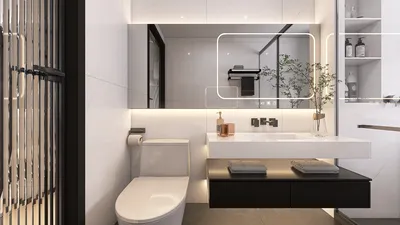


The future is knocking on our doors, and while contemporary challenges such as aging in place, multigenerational living, and increasing maintenance demands continue to emerge, homeowners are responding innovatively. According to AIA surveys, there is a consistent demand for adaptable workspaces and seamless connections between indoor and outdoor environments. This is where a well-designed 3BHK ground floor bungalow plan functions like a sophisticated operating system supporting everyday living. I consider it much like a compiled language: each room serves a purpose, thresholds represent permissions, and circulation acts as a protocol—all integrated through an effective spatial reasoning toolkit, particularly using a platform like Homestyler to visualize these concepts.
Courtyard Structure with Distinct Private Zones
Design Principle: The central courtyard serves as both a thermal and social nucleus, featuring the primary suite on one side and two additional bedrooms on the opposite—fully equipped for future needs such as aging parents or adult children returning home.
Flow: The layout guides you from the entrance through a gallery spine into a living/dining area that seamlessly opens to the courtyard, then branches off to the bedrooms. This sequence functions smoothly, minimizing unnecessary backtracking.
Sightlines: Upon entering, your gaze travels through layers of greenery, culminating at a textured wall. This design maintains privacy while enhancing the depth of the space.
Storage: Continuous millwork around the perimeter serves as a clever storage solution, featuring an entry bench, a coat area, and a dining sideboard, along with a linen wall buffering the bedroom zones.
Furniture Arrangement: The living area accommodates sofas measuring 90–96" with a dining setup at 36×72", and bedrooms designed for queen/king sizes with ample 36" clearance on two sides—accurately maintaining pathways for smooth movement.
Conclusion: This adaptable design can evolve with the seasons and family dynamics; even five years down the line, it remains a robust core with flexible boundaries.
save pin
Front Flexible Studio + Rear Private Nook
Design Principle: The workspace is situated at the front, taking advantage of the street's energy; the areas for rest and recuperation are located at the back, embracing the concept of hybrid work as a standard rather than an afterthought.
Flow: From the porch, you transition into a versatile studio/guest area, pivoting towards the kitchen hub, which then opens into the living space that extends to the patio, while a rear corridor leads to three bedrooms, clearly defining public and private zones.
Sightlines: Focus narrows within the flexible zone to enhance concentration, then broadens toward the light from the garden—akin to toggling UI states from modal to fullscreen.
Storage: A dual-entry pantry serves as a central storage core, while the rear corridor integrates tall closets at a depth of 24" for quick and easy access.
Furniture Arrangement: The flexible room can accommodate a 60" desk along with a wall bed; the living room is designed around a 6–8' sofa and a low media credenza, preserving unobstructed eye-level views.
Conclusion: As functions change—whether for studio work, guests, or a clinic—the layout remains comprehensible; future upkeep is simplified due to its clean design structure.
save pin
Diagonal Living Axis with Service Core Integration
Design Principle: The living-dining axis is rotated 15–25° to optimize light exposure; utility spaces are condensed into a service core (including laundry and storage), thus minimizing cognitive strain.
Flow: You enter through an offset entry leading to the diagonal living axis and terrace, while bedrooms extend orthogonally, ensuring tranquil sleeping areas.
Sightlines: Diagonal lines enhance spatial continuity across the layout; windows frame long, shallow vistas rather than offering direct straight-through views.
Storage: The service core features high-density storage solutions with pull-out racks, a 30–36" utility bay, and overhead bins for seasonal items.
Furniture Arrangement: The sectional is restricted to a maximum of 100" to maintain these diagonal pathways; dining tables are round with dimensions of 48–54" to allow for easy circulation.
Conclusion: This angled design captures both light and mood; even after five years, it continues to provide a sense of speed and tranquility, as service tasks are thoughtfully removed from main circulation areas.
save pin
Final Insights
A 3BHK ground floor bungalow plan transcends traditional drawings, functioning more as a living protocol—an interface where spatial arrangement, illumination, and storage adapt to the routines of tomorrow. Variations such as three-bedroom layouts, single-story homes, and courtyard-style bungalows evolve into long-term systems where circulation is as logical as code, and furniture respects spatial APIs. Through my experience, I assert that the homes of the future won’t necessarily be larger in size; rather, they will be crafted with intention. In my projects, it’s evident that even minor spatial decisions can significantly transform how homeowners live, especially when employing tools like Homestyler to visualize these layouts.
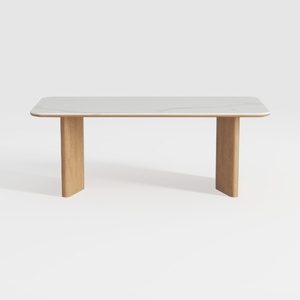

Minimalist Marble Top Solid Oak Dining Table 3D Model
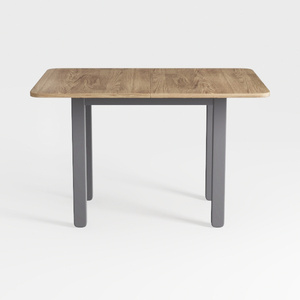
Modern Oak Top Gray Metal Frame Dining Table 3D Model
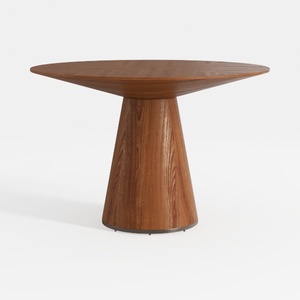
Minimalist Solid Wood Round Dining Table 3D Model
Homestyler is your go-to online home design platform, perfect for all skill levels. Enjoy its user-friendly design tool, stunning 3D renderings, and a treasure trove of DIY video tutorials. Transform your home ideas into reality effortlessly—get inspired and start designing today!
Diseño ahora GRATIS
































