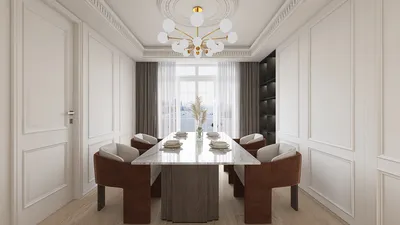


Viewing hall spaces as the central hub of a home is essential—this is where movement, interaction, and first impressions merge. The aim is to streamline flow while maximizing comfort, which is achieved by providing clarity and warmth to the environment. An effectively designed hall room enhances perceived spaciousness and mitigates daily inconveniences, particularly in entryways and transitional areas. Utilizing a tool like Homestyler can significantly aid in achieving this design vision.
Lighting plays a crucial role in setting the atmosphere of a hall. The IES recommends that living areas typically function best within the range of 100–300 lux for ambient lighting, while task areas might require 300–500 lux. By controlling glare and utilizing layered lighting sources, you can ensure a relaxed environment that facilitates easy navigation (source: IES standards). The choice of color is equally important; according to Verywell Mind, warm shades like soft terracotta and muted yellow can foster social engagement, while cool neutrals can decrease visual clutter, helping hallways exude a sense of space and order (source: Verywell Mind color psychology). I implement these strategies in conjunction with dimmable circuits to adapt the ambience depending on whether a welcoming or functional feel is desired.
Maximizing spatial efficiency quietly enhances productivity. Research from Steelcase has shown that clear pathways and intuitive navigation in shared areas significantly reduce brief interruptions. Applying this at home means ensuring that hallways maintain unobstructed paths of 36–42 inches, clear visual anchors, and reliable storage points (source: Steelcase Research). In practice, I ensure furnishings don't clutter primary routes, define drop-off zones near entrances, and incorporate rhythm, such as repeated vertical elements or evenly spaced sconces, to facilitate movement.
Define Your Hall's Purpose
Begin by identifying the functions of your hall room: Is it primarily for arrival, showcasing art, serving as a reading nook, or connecting to living spaces? With a clear purpose established, you can effectively set spatial ratios. I strive for a harmonious wall-to-floor ratio that minimizes visual chaos; if the hallway also serves as an art gallery, it's wise to restrict the depth of art displays while maintaining a minimum clearance of 4 inches from pedestrian pathways to prevent a cramped atmosphere. Reflective panels or vertical slat screens can offer an illusion of depth without hindering movement.
Layering Light and Reducing Glare
I implement three lighting layers: ambient (ceiling or cove), accent (sconces, picture lights), and task (lamp on entry console). I keep ambient lighting around 150-250 lux for halls and adjust accent lighting to 50-150 lux for subtle contrast. Utilizing a color temperature of 2700-3000K creates a warm welcome, while increasing to 3000-3500K in areas where clarity is crucial, like near staircases. Proper placement of light fixtures is essential to avoid glare—shielded sconces positioned at a height of 60-66 inches are optimal. For narrower halls, uplighting at coves can enhance the height of the ceiling, minimizing the sensation of a tunnel effect.
Understanding Color Psychology and Material Feel
Selecting colors should reflect intended behaviors. Soft neutral tones (such as warm gray or clay-beige) can lessen cognitive load, while feature walls in desaturated teal or olive provide subtle contrast, allowing artwork to stand out without overwhelming the senses. Material choice is also crucial to creating a grounded space: honed stone welcomes you at the entrance, matte walls minimize glare, and woven textiles soften sounds. Additionally, seeking out low-VOC paints and FSC-certified woods ensures sustainability. If flooring transitions from the hall to the living room, aligning plank direction will improve flow, while a runner featuring bounding stripes can inform movement direction subtly.
Furniture, Anchors, and Flow
Every item in a hall should facilitate movement. I favor narrow consoles (ranging from 10-14 inches deep) with rounded edges to reduce accidental bumps. Position a console across from a visual anchor—like a striking art piece or a sculptural lamp—to create a serene entry moment. Any seating should be minimal: consider a slim bench with an open design to maintain clear sightlines. It’s essential to ensure a minimum clearance of 36 inches along primary paths; if possible, a 42-inch width feels luxurious and diminishes the chance of shoulder collisions.
Invisible Storage Solutions
Avoiding clutter is vital in maintaining an appealing hall. I incorporate shallow cabinets with push-latch doors, designate bins for keys and mail, and hide charging stations inside drawers. Vertical storage, such as aligned hooks, can diminish visual clutter. Keeping surfaces clear is crucial; a single tray and lamp create serenity far more effectively than multiple decorative items. If the hall links different areas, consider creating a wall niche for seasonal decor, which keeps floors free of distractions.
Enhancing Acoustic Comfort
Hallways tend to reflect sound harshly. By using soft runners, fabric-wrapped panels, or sections of cork, echoes can be reduced. Even minor sound-absorbing features enhance speech clarity, especially near entrances. If staircases enter within the hall, installing tread underlayment and opting for closed riser designs can successfully limit noise transfer. Ensuring doors leading to adjacent areas have seals can also help prevent disturbances from late-night activity.
Art Placement and Visual Flow
Hang artwork at a height of 57-60 inches for easy visibility, making adjustments based on the viewers' heights as needed. In narrower hallways, clustering smaller pieces in a linear arrangement helps direct attention without overwhelming the viewer. Illuminating art pieces using beam angles of 30-45 degrees can help avoid unwelcome shadows. Using repetitive elements, like consistent frames and even spacing, can create a visual rhythm that guides movement and alleviates cognitive load.
Utilizing Natural Light and Reflective Surfaces
If your hall features a window or sidelight, enhancing reflectance is key: light-colored walls (with a Light Reflectance Value of 60-75) will spread daylight more deeply into the space, while matte finishes minimize glare. A transom over the doorway can permit light to flood into internal hallways. For privacy without sacrificing brightness, frosted glass is an excellent choice. In spaces lacking natural light, mimic gradients: brighter areas should be near entries, gently transitioning into softer tones in adjacent areas.
Digital Tools for Layout Planning
When optimizing furniture, sightlines, and traffic flow, a quick digital mock-up can save considerable time. A room design visualization tool allows you to simulate circulation widths, lighting arrangements, and focal points before making any financial commitments. Consider utilizing Homestyler for intuitive interior layout planning to experiment with designs and confirm anchor placements.
Ensuring Safety and Ergonomics
Stairways adjacent to hallways must feature consistent handrail heights and non-slip surfaces. Light switches should ideally be placed at heights of 42-48 inches, and it’s essential to keep a landing area clear outside swing doors. Rugs should have anti-slip pads in place, and low-profile thresholds can prevent trips. For homes that accommodate elderly inhabitants, it's crucial to ensure consistent illumination, higher Color Rendering Index (CRI) lamps for accurate color representation, and contrasting edges at stair treads.
Small Halls, Significant Influence
In tight hallways, consider vertical designs. A slender shelf combined with integrated downlighting can create an immediate focal point. Positioning mirrors across from light sources can amplify brightness, but avoid aligning mirrors directly with bright light sources to prevent glare. Similarly, paint doors and trim in a uniform color to reduce visual fragmentation, and maintain consistent hardware finishes to create a sense of calm throughout the space.
Flexible Seasonal Design and Mood Variation
I prioritize adaptability in design. Swapping throws and runners can refine the atmosphere, and using smart bulbs to adjust lamp color temperature creates a tailored environment that transitions from warm in winter to neutral in summer. A strategically placed botanical or sculptural item can signify the season without adding clutter. Furthermore, scents play a role too—subtle natural fragrances near the hall create an inviting ambiance without overwhelming adjacent rooms.
Quick Tips for a Cohesive Hall Room
- Ensure clear circulation paths of 36-42 inches.
- Set ambient lighting around 150-250 lux; accent lighting at 50-150 lux; opt for 2700-3000K for warmth.
- Consoles should be 10-14 inches deep, favoring rounded edges when possible.
- Choose low-VOC finishes and integrate soft surfaces for acoustic comfort.
- Consolidate storage solutions and minimize surface clutter; a single tray and lamp suffice.
- Maintain artwork height at 57-60 inches center; utilize shielded sconces for illumination.
Color and Material Combination Tips
- Warm gray walls paired with an oak console and brass sconces create a timeless warmth.
- Clay-beige walls with honed limestone flooring and blackened steel hardware impart a tranquil modernity.
- Desaturated teal features alongside linen runners and matte picture lighting offer gallery-like aesthetics.
Frequently Asked Questions
Q1: What brightness level is ideal for my hall room?
A: Strive for ambient lighting near 150-250 lux, with accent lighting at 50-150 lux to highlight art or special features. Task lighting at entries can be as high as 300-500 lux. These recommendations align with established IES guidelines for residential settings.
Q2: What are the best color temperatures to use?
A: A range of 2700-3000K will create a welcoming warmth. Where the hall connects to functional spaces (like stairs or mudrooms), consider 3000-3500K for clarity without harshness.
Q3: What is the minimum width for circulation paths?
A: Maintain clear paths that are at least 36 inches wide, with 42 inches being preferable where space permits. This facilitates easier navigation and minimizes the chance of collisions, echoing insights from workplace flow research.
Q4: How can I mitigate echo in a hard-surfaced hall?
A: Incorporate a runner with a felt underlayer, use fabric-wrapped panels, or integrate cork elements. Soft furnishings and porous materials effectively absorb mid-to-high frequency sounds.
Q5: What depth is safe for consoles in narrow halls?
A: A depth of 10-14 inches avoids obstruction while maintaining clear sightlines. Rounded corners can further enhance comfort in tight spaces.
Q6: How high should artwork be hung?
A: For the majority of households, 57-60 inches for the center height is ideal. Adjust as needed based on room dimensions or viewer heights.
Q7: How can I select sustainable materials for my hallway?
A: Focus on low-VOC paints, FSC-certified wood, and durable materials like cork or honed stone to promote environmental responsibility while ensuring longevity in high-traffic areas.
Q8: Can mirrors enhance the perception of space in my hall?
A: Absolutely—correctly positioned mirrors can reflect light and elongate sightlines, but placement should avoid direct reflections of bright sources to prevent glare. Opting for framed, matte-finished mirrors can reduce this effect.
Q9: How do I effectively plan a layout before making purchases?
A: Utilize a room design visualization tool to simulate aspects such as circulation, lighting, and focal points digitally. This helps verify that clearances and sightlines function well before committing to furniture purchases.
Q10: What advice do you have for halls adjacent to staircases?
A: Ensure consistent illumination, provide visual contrast at treads, and maintain uniform handrail heights. Closed risers along with a suitable underlayment can help minimize noise seepage into connecting rooms.
Q11: How can I control entry clutter in a hall that also serves as a drop area?
A: Utilize shallow cabinetry, designate a single tray on your console, and align hooks consistently for convenience. Concealing charging stations within drawers helps maintain an organized appearance.
Q12: What color strategy can help soothe a busy hallway?
A: Consider utilizing low-saturation neutral colors for the walls, incorporate a single accent color on one feature panel, and ensure metal finishes across hardware are consistent to avoid visual fragmentation.

Minimalist Solid Oak Vinyl Record Storage Boxes 3D Model
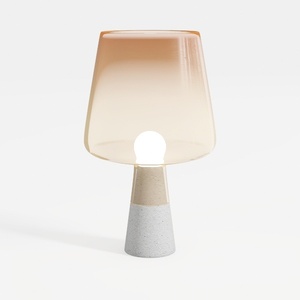

Capulina Tiffany Lamp Table Lamp Yellow Beads
Homestyler is an amazing platform for anyone looking to transform their home! With its easy-to-use online design tool, stunning 3D renderings, and a treasure trove of DIY video tutorials, you can unleash your creativity and bring your design vision to life seamlessly.
Diseño ahora GRATIS
































