
Effective kitchen ventilation is just as crucial as the cooktop itself. In my assessments of various apartments and villas across India, I've found that the right exhaust fan significantly minimizes cooking fumes, reduces heat buildup, and eliminates lingering odors, while also safeguarding cabinets from grease accumulation. In office environments, subpar air quality is a major concern that affects productivity; the Steelcase Global Report on wellbeing emphasizes that factors related to comfort directly influence engagement. These insights can be applied to our homes, where the act of cooking is a daily affair. According to IES guidelines, maintaining light levels of 300–500 lux at countertops complements efficient air extraction, keeping the kitchen space safe and pleasant to work in.
From a health perspective, my focus is on capturing pollutants at the source. The WELL v2 Air concept (Feature A05) advocates for improved ventilation and controlling combustion byproducts, which is particularly relevant in Indian kitchens where high-temperature cooking methods like tadka and frying produce ultrafine particles. By pairing a properly sized exhaust fan with an optimally designed chimney, we can significantly reduce particulate matter and grease buildup on surfaces, enhance thermal comfort, and lower cleaning frequencies. The benefits are tangible: we achieve fewer sticky surfaces, minimize additional work, and provide better air quality for family members spending time in the kitchen.
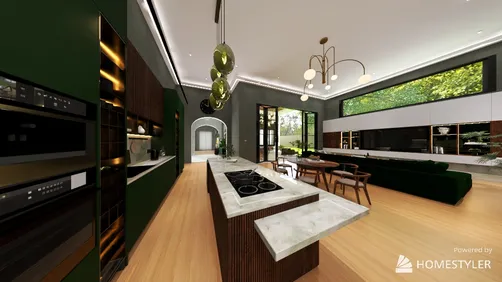
I prioritize designing for user behavior: if you frequently cook with strong spices, occasionally deep-fry, or have a smaller, enclosed kitchen, it's essential to focus on higher extraction rates and ensuring adequate cross-ventilation. For those with an open kitchen layout, keeping noise levels to a minimum and controlling backdrafts is crucial to protect adjacent living areas. In compact configurations, I often use simulation tools to identify airflow paths and avoid dead zones; many times, combining a ducted chimney designed for intense cooking with a well-placed exhaust fan achieves the best practical balance for daily use.
How to Determine the Right Size for an Exhaust Fan in an Indian Kitchen
I begin with two assessments: the required airflow and the kitchen's spatial dimensions.
Guidelines for Fan Placement and Layout
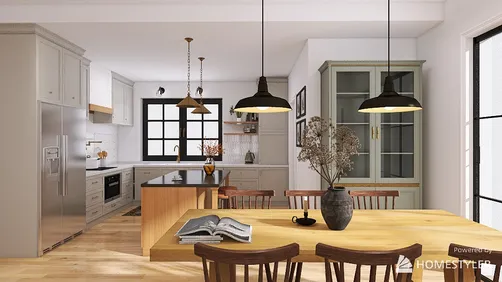
Position the fan high on the exterior wall, either opposite or diagonally from the cooktop. This placement pulls heat and vapors across the room effectively rather than short-circuiting near the hob. Maintain a distance of at least 450–600 mm from the ceiling to facilitate better air mixing; avoid installing the fan directly above the hob if a chimney is in use, to prevent flow conflicts. When testing different configurations in tight spaces, I rely on room layout tools to ensure cabinetry, window grilles, and shaft openings are properly aligned with the exhaust centerline.
Essential Specifications to Evaluate
Differences Between Exhaust Fans and Kitchen Chimneys
These two solutions address different needs. A chimney is ideal for capturing smoke at the source, particularly during stir-frying and deep-frying, while an exhaust fan expels residual heat, moisture, and odors from the room. In busy Indian kitchens, I frequently recommend using both: the chimney for primary smoke capture and the fan for maintaining air quality through background air exchanges and cross-ventilation. If budget constraints allow for only one option, opt for a ducted chimney suitable for high-intensity cooking and consider adding an exhaust fan later for overall room refreshment.
Top Recommendations for Indian Residences
Acoustic Comfort: Noise and Vibration Considerations
Excessive noise can be more than just a nuisance—it influences how people interact with the space long-term. I isolate fan vibrations using rubber gaskets, avoid over-tightening screws, and ensure the cutout aligns with the fan housing to mitigate turbulence. For open layout designs, any noise exceeding ~50 dB at cooking height can disrupt conversations; maintaining a smooth acoustic profile is just as critical as monitoring peak dB levels.
Site Installation Checklist
Energy Consumption and Maintenance Tips
Modern exhaust fan motors are energy-efficient, typically consuming 20–60 W at medium speeds. The real costs arise from inadequate maintenance. I set reminders for quarterly cleaning of blades and grilles in high-use kitchens, and bi-monthly for frequent deep-frying. Build-up of grease can not only restrict airflow but also increase noise and heat near the motor. In highly polluted areas, it's essential to regularly check shutters for dust that may prevent them from closing properly.
Color Considerations, Aesthetics, and Material Options
In matte black kitchens, utilizing a black or graphite fan grille creates a cohesive look with the laminates, reducing visual clutter. For lighter or Scandinavian-inspired designs, off-white or sand-colored finishes can harmonize beautifully with warm 3000–3500K task lighting. From a color psychology angle, warmer tones tend to make smaller kitchens feel more inviting, whereas neutral grays used in clean, clinical prep areas maintain color accuracy for food, assisting with doneness evaluations.
Sustainable Practices to Keep in Mind
Opt for durable, serviceable solutions instead of disposable options. A fan featuring a replaceable motor or accessible bearings will generally outlast cheaper sealed models. Choose metal for parts that endure heat and grease, and ensure exterior louvers are designed to prevent the entry of birds or debris. Combining moderate wattage with time-of-use controls, such as a wall timer or smart switch, can effectively minimize runtime without compromising air quality.
When Is the Right Time to Upgrade Equipment?
If your kitchen continues to emanate odors the next day, cabinets feel greasy shortly after cooking, or condensation forms on walls, it’s time to enhance airflow or your fan’s pressure capability. For open kitchens where TV volume rises during meal prep, consider investing in quieter fan models and reevaluating the placement to minimize drafts toward living areas.
Suggested Fan Choices Based on Kitchen Scenarios
Frequently Asked Questions
For an enclosed kitchen of 80–120 sq ft with approximately 9 ft ceilings, an airflow range of 250–400 m³/hr typically achieves 10–15 air changes per hour. If you engage in frequent deep-frying or have a large household, lean towards the higher end, potentially pairing with a ducted chimney.
A chimney works to capture smoke right at its source; an exhaust fan serves to cycle out the remaining air in the room. Together, they perform best in high-use kitchens, particularly in enclosed spaces where heat build-up is a concern.
Aim for sound levels of ≤45–50 dB when operating at medium speed to keep conversations and audiovisual experiences comfortable. Higher noise levels may lead people to turn the fan off prematurely, negating its intended benefits.
Yes, it’s possible to install a fan but ensure that the model is rated for higher static pressure and include a non-return damper. Proper sealing at the connection point is essential to prevent odors from neighboring properties from seeping back in.
You need to match the nominal diameter of the fan (typically 150, 200, or 250 mm) while adhering to the manufacturer’s template for the cutout. Keep the area free of mullions, grills, and any shutters that may obstruct airflow.
Perform maintenance every three months for standard Indian cooking, and every two months for frequent deep-frying. This includes cleaning blades and the grille, checking shutter functionality, and vacuuming dust from the motor vents.
Yes—operating the fan continuously or at timed intervals during and after cooking effectively removes moisture, mitigating the risk of condensation and mildew, particularly during monsoon seasons.
Ensure the kitchen is illuminated to a level of 300–500 lux at the cooking line, following IES recommendations. Grease-resistant, enclosed fixtures that use warm-neutral 3000–3500K lighting will enhance color rendering while reducing glare.
Quality oil-resistant polymers can perform adequately, but generally, metal housings and motor components with ball bearings tend to endure better under consistent exposure to heat and grease.
Using a 10–20 minute timer after cooking to allow post-use running clears lingering moisture and odors, providing a hands-free solution. Smart switches can track operation and decrease unnecessary runtime.
Yes—consider a window-mounted solution that allows for proper sealing and an exterior louver. Ensure the glass's strength and frame clearance are adequate before making any cuts or drilling.
Choose automatic shutters, exterior louvers equipped with mesh, and ensure a tight seal around the perimeter. Cleaning the mesh regularly is important to maintain airflow efficiency.
Final Thoughts
Aligning airflow and pressure settings with your cooking habits and kitchen layout, while keeping noise to a minimum, encourages the regular use of the fan. Achieving these conditions ensures that your kitchen remains cooler, cleaner, and a far more enjoyable space for cooking.
Originally incubated at Autodesk, Homestyler has grown into one of the most widely adopted home design platforms in the world, now trusted by over 20+ million registered users (platform data, 2026). Whether you're a homeowner exploring ideas or a professional designer delivering client-ready renders, Homestyler brings industry-leading 3D technology to your fingertips — no experience required.
Homestyler is your go-to online home design platform, perfect for all skill levels. With its user-friendly design tool, stunning 3D renderings, and a wealth of design projects and video tutorials, you can effortlessly create and visualize your dream space. Transform your ideas into reality today!
Diseño ahora GRATIS