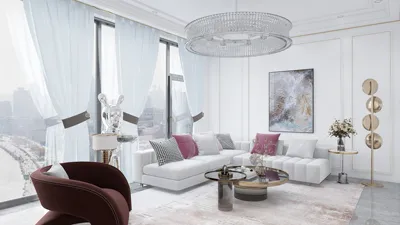


Selecting the ideal colors for your interior design can truly elevate a space. Whether you're revamping a single room or an entire home, grasping color theory and how various hues interact is crucial. Colors not only influence the mood and ambiance of a room but also impact how spacious or cozy it feels. You can categorize color combinations into several types, such as complementary, analogous, monochromatic, and triadic. Each of these combinations evokes different visual effects and emotional responses. Complementary colors sit opposite each other on the color wheel. For example, pairing blue with orange or red with green creates a striking contrast that can invigorate a space. These vibrant colors can infuse a dynamic energy into your room. If you decide on complementary colors, consider designating one as the primary hue and the other as an accent to maintain balance and prevent overwhelming the area. Analogous colors, which are situated next to one another on the color wheel, like blue, blue-green, and green, typically mimic natural combinations and foster serene and comfortable designs. Using analogous colors can yield a cohesive look that is visually appealing and cultivates a sense of harmony. Monochromatic schemes involve variations in lightness and saturation of a single color. For instance, utilizing different shades of blue can create a sophisticated and calming effect, making it ideal for smaller spaces as it visually expands them. Triadic color schemes, which include three colors evenly spaced around the color wheel, such as red, yellow, and blue, can produce a vibrant and balanced aesthetic, perfect for areas requiring a burst of energy. When selecting colors, it’s also vital to take your home’s lighting into account. Natural light can alter the perception of colors throughout the day, while artificial lighting also plays a role in how colors are viewed. Always test your color selections with samples on the walls and observe their appearance at various times of the day. Don’t overlook neutrals! They are essential to any color scheme, providing a calming backdrop for bolder colors. Shades like white, gray, beige, and taupe can help balance vivid hues, allowing them to shine without clashing. Lastly, never forget that personal preference is paramount in color selection. What appeals to one individual may not resonate with another, so trust your instincts and choose combinations that speak to you. Experiment with swatches and create mood boards to visualize your ideas before settling on a color palette. In conclusion, comprehending color theory and the interplay of different colors can lead to stunning and harmonious interior designs. Take your time exploring various combinations and don’t hesitate to try something innovative! Your home should embody your personality and style, so enjoy the process!
Tips 1:
When choosing colors, always consider the intended purpose of the space. For instance, tranquil colors like blues and greens are perfect for bedrooms, whereas vibrant shades such as reds and yellows can energize dining areas.
FAQ
Q: How can I determine which colors complement each other? A: Utilize a color wheel to explore complementary, analogous, and triadic color schemes that inspire your choices.
Q: Is it possible to mix warm and cool colors? A: Absolutely, but achieving balance is essential. Use warm tones as accents against cooler shades for a harmonious appearance.
Q: How do lighting conditions influence color selection? A: Natural light can alter the way colors look, so always test paint samples under different lighting conditions before finalizing your decision.
Welcome to Homestyler!
Diseño ahora GRATIS
































