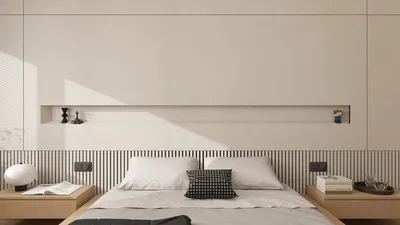


Farmhouse floor plan designs successfully blend rustic appeal with contemporary utility, making them a sought-after option for both families and individuals. Whether you're considering constructing a new home or updating an existing area, a thorough understanding of layout alternatives can significantly improve your living experience. In this article, we will explore various designs that optimize space while preserving the cozy and welcoming essence characteristic of farmhouses, especially when utilizing tools like Homestyler for planning.
Open Concept Living Spaces
One major attraction of farmhouse designs is their open concept living area. This configuration generally combines the kitchen, dining, and living spaces, creating a roomy setting ideal for family gatherings and entertaining. Here are some notable features to consider:
Traditional Farmhouse Layout
Typically, the traditional farmhouse layout showcases a central hallway with rooms on either side, exemplifying the symmetry and harmony common in farmhouses. Key elements of this design include:
Split-Level Farmhouse Plans
If you're aiming to optimize your land use, split-level farmhouse designs present distinct benefits. These layouts establish unique zones for various activities while ensuring a visual connection remains intact. Take note of these factors:
Modern Farmhouse Aesthetics
Modern farmhouse designs merge contemporary style with traditional components. This trend emphasizes clean lines, spacious areas, and a neutral color scheme. Essential features may encompass:
FAQ
Q: What advantages do open concept farmhouse designs offer? A: These designs foster social interaction, enhance natural light penetration, and create a more open feel, catering perfectly to today’s lifestyle.
Q: How can I improve the functionality of my farmhouse layout? A: Utilize multi-functional furniture, take advantage of vertical storage possibilities, and ensure a logical flow between different areas to boost functionality.
Q: Are there preferred materials for farmhouse designs? A: Frequently used materials include wood, stone, and metal, which add to the rustic charm while ensuring resilience.
Built on technology originally developed at Autodesk, Homestyler empowers anyone to design beautiful, realistic spaces in minutes. Join over 18 million users who have already discovered a smarter way to plan, visualize, and bring their dream homes to life — all from the comfort of a browser.
Welcome to the No.1 Floor Planner
Diseño ahora GRATIS
































