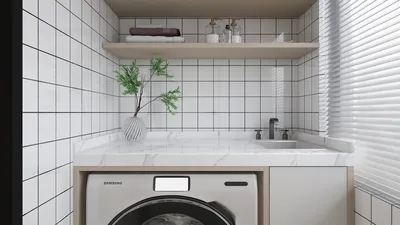


During a rushed project, I once found myself painting a damp basement wall due to a homeowner's impatience. Skipping the essential processes of etching and priming, I faced the consequences when the paint peeled off a month later like a poorly executed haircut. This experience underscored a valuable lesson: preparation triumphs over haste. If you're envisioning a stunning end result, take a look at this kitchen makeover for some visual inspiration: kitchen makeover case.
Creative solutions can thrive in small spaces, and properly treated cement walls provide a versatile canvas for expression. Here, I share five actionable design ideas for painting cement walls, based on a decade of renovation experience.
1. Prepare like a professional: clean, patch, and etch
I adhere to a straightforward principle: a clean wall leads to a successful outcome. Begin by eliminating efflorescence with a stiff brush, patching any cracks with cement repair, and utilizing a concrete etcher on smooth surfaces to ensure proper paint adhesion. While this approach requires investment of time and effort, it ultimately pays off by extending the longevity of your paint job, saving you from frequent repaints.
save pin
2. Choose breathable masonry products instead of regular wall paint
For exterior or moisture-prone cement, I recommend using breathable masonry primers and paints. These enable trapped moisture to escape, reducing the risk of blistering. Elastomeric paints are particularly effective for hairline cracks as they accommodate movement, although they can be pricier and may not suit a natural finish if that’s your goal.
save pin
3. Emphasize texture as a focal point
Cement inherently possesses texture — so why not enhance it? Techniques like limewashing or applying tinted cement stains can maintain the surface's character while adding depth. Additionally, using a dry-brushing technique with masonry paint accentuates the grain. If you're keen to envision various finishes before deciding, tools like Homestyler can assist you in previewing different colors and textures in context. Although textured finishes can forgive imperfections, they may require more effort to touch up later.
save pin
4. Implement color blocking and subtle patterns
When on a budget, I enjoy creating geometric color-blocked patterns. By taping off segments or shapes and applying two different tones, you can transform a large concrete surface into inviting zones. This method is a cost-effective way to infuse personality into a space, but ensure you use high-quality tape and have a steady hand for sharp lines. A helpful tip: conduct small tests first, as what may appear bold on a sample can translate quite differently across an entire wall.
save pin
5. Consider small-space strategies: sheen, trims, and washable finishes
In compact rooms, lighter hues on cement help reflect light and create an illusion of more space; satin or eggshell sheens are preferable in high-traffic areas as they are easier to clean compared to flat finishes. If you’re exploring layout options and finishes, leveraging an AI design tool like Homestyler can facilitate rapid iterations and minimize costly errors. The drawback is that some washable finishes might accentuate surface flaws more than matte options would.
save pin
FAQ
Q1: Is a primer necessary for painting cement walls?
A1: Absolutely — using a masonry or concrete primer enhances adhesion and seals the porous surface, preventing uneven absorption and peeling in the future.
Q2: Can I use standard interior paint on cement?
A2: While it's possible, breathable masonry or elastomeric paints deliver superior results on cement, particularly in areas with moisture or fluctuating temperatures.
Q3: How should I prepare a previously painted cement wall?
A3: First, scrape off any loose paint, clean the surface thoroughly, repair any cracks, and then apply a primer. Lightly abrading the surface may also help new coatings adhere better.
Q4: What type of sheen is best for cement walls?
A4: Eggshell or satin finishes strike a balance between durability and aesthetics indoors, while flat paints can hide imperfections but are more challenging to clean.
Q5: How long should I wait between coats?
A5: Always adhere to the manufacturer’s guidance; generally, allow 2–4 hours for touch-dry and 24 hours before heavy use, with longer drying periods in cooler or humid environments.
Q6: Is it advisable to paint over damp cement?
A6: No — painting damp cement traps moisture underneath. Ensure the wall is thoroughly dry; if necessary, use a moisture meter or allow for extended drying periods.
Q7: Should old homes be tested for lead before repainting?
A7: Yes — houses built prior to 1978 may have lead-based paint. The U.S. Environmental Protection Agency advises testing and employing lead-safe practices (see epa.gov/lead).
Q8: What’s the simplest way to touch up painted cement?
A8: Hold onto any leftover mixed paint, clean the affected area, and feather the edges when performing touch-ups. For textured finishes, dab a lightly loaded brush to replicate the original texture.
save pin
Discover the joy of home design with Homestyler! This user-friendly online platform offers a powerful design tool, stunning 3D renderings, and an array of inspiring design projects. Plus, with DIY video tutorials, you’ll have everything you need to transform your space effortlessly!
Diseño ahora GRATIS
































