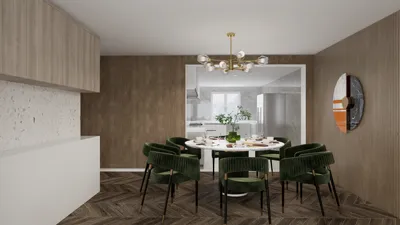


Having fine-tuned countless meeting spaces—from sleek glass-walled huddle areas to expansive 20-seat boardrooms—I've learned that achieving consistent clarity in audio is deliberate rather than accidental. It stems from intelligent microphone choices, strategic placement, acoustical awareness, and meticulous calibration. According to recent workplace research by Gensler, 44% of professionals regularly engage in virtual or hybrid collaboration, highlighting the critical need for clear audio at both ends. Steelcase has noted that inadequate meeting technology significantly contributes to meeting fatigue and diminished engagement—something I have observed firsthand in spaces where echoes persist, microphones display aggressive gating, or sound is harshly projected.
Optimal sound quality is influenced by human factors, not just technical specifications. The WELL Building Standard (WELL v2) includes guidelines for acoustic comfort, focusing on reverberation time and background noise levels as cognitive strain increases when individuals struggle to comprehend spoken words. The Illuminating Engineering Society (IES) reaches a similar conclusion: enhanced speech intelligibility occurs when the signal-to-noise ratio is maintained and boundary reflections are properly managed. My practical approach aims to ensure speech transmission with minimal interference, achieving a balanced response across frequencies, and maintaining a listening level typically between 70-75 dB SPL to avoid fatigue among participants.
First Step: Assess the Room's Conditions
Microphones and speakers can’t overcome a room's natural challenges. I start by evaluating the volume, surface materials, and occupancy of the space. Hard, parallel surfaces increase reverberation, while large glass panels can distort sound, making consonants excessively sharp. For designs that feature clean lines and glass, it's essential to implement acoustic absorption strategically—such as behind the speaker, at first reflection points, and on the rear wall. Additionally, managing HVAC noise is crucial; even minor background noise (40-45 dBA) can mask softer voices. When reconfiguring layouts, utilizing a room layout tool like Homestyler can facilitate the visualization of microphone coverage along with camera angles effectively.
Selecting the Appropriate Microphone Approach
I always align the microphone type with the table layout, the number of participants, and room reverberation characteristics.
Regardless of the microphone format, I ensure not to use too many open microphones simultaneously. Each additional open mic can reduce the system’s feedback gain and heighten the overall room noise. Implementing automixing controls is crucial to limit active channels to only what is necessary.
Speaker Positioning and Tuning
Audio should be perceived as emanating from either the speaker or the display, not from the ceiling corners. My preferred techniques include:
Striving for a smooth frequency response across the speech range (approximately 150 Hz to 6 kHz), I set high-pass filters on microphones between 80-120 Hz to eliminate rumble, apply gentle boosts around 2-4 kHz if clarity is lacking, and carefully notch out room resonances as needed. It’s essential to adjust levels so that voices from farther away register around 70-75 dB SPL at seats, with peaks kept below discomfort levels.
Managing Echo, Background Noise, and Reverberation
For small to mid-sized conference rooms focused on discussion, a reverberation time (RT60) of about 0.4-0.6 seconds is ideal. If clap tests indicate excessive echo or metallic sounds, I integrate a combination of sound-absorbing panels (NRC ratings between 0.7-0.9), carpets with quality padding, and soft furnishings. Striking the right balance is crucial; overly absorbing treatments can create a deadened atmosphere and amplify HVAC noise. In spaces abundant with glass, micro-perforated panels, fabric-wrapped wall absorbers, and suspended baffles offer effective solutions while door gaskets and seals help minimize sound leakage. It’s best to keep mechanical noises below mid-40s dBA whenever achievable.
Digital Signal Processing, Automixing, and Echo Cancellation
Dependable echo cancellation (AEC) is mandatory for effective hybrid meetings. Providing clear reference signals to the AEC system is vital, steering clear of any double audio paths while considering the distances and directional characteristics between loudspeakers and microphones. Automixing practices should limit the number of open microphones to enhance clarity. Gentle compression techniques (2:1-3:1) aid in achieving consistent volume levels without creating pumping effects, while careful application of noise reduction can mitigate persistent HVAC sounds.
Understanding Behavior, Cameras, and Human Factors
Audio clarity relies heavily on predictable participant behavior. It helps to establish a set seating arrangement, discourage tapping on tables, and gently encourage soft-spoken individuals to face the microphones. If your setup allows flexible configurations, utilizing an interior layout planner like Homestyler to mimic microphone coverage zones can ensure that table designs, seating arrangements, and camera perspectives support coherent acoustic distribution. Clear sightlines are essential; as individuals frequently turn toward screens or remote participants, ensuring microphones are positioned within easy reach of their mouths is critical.
Comparing Wireless and Wired Microphones
Wireless microphones—such as lapels or handhelds—are effective for larger rooms or presentations where speakers move. Prioritizing diversity receivers, managing frequency coordination, and maintaining battery health is essential. In many fixed-seating environments, however, wired microphones—either mounted on tables or ceilings—tend to provide a more reliable and maintenance-free option. For setups where presenters require mobility, implementing a hybrid strategy—where ceiling arrays service discussions, while a wireless lapel supports the main speaker—often yields excellent results.
Calibration for Both Participants on the Call
I conduct a brief commissioning routine for each room to ensure optimal performance:
Playbooks for Small, Medium, and Large Rooms
Incorporating an integrated video bar or two tabletop pucks with automixing, alongside one or two front-facing speakers, light wall or ceiling treatments, and strong AEC capabilities generally yields favorable outcomes. Attendees should be seated within 2-3 meters of the microphone. It’s crucial to keep background noise low and choose soft surface materials.
Utilizing a ceiling array or multiple tabletop microphones connected to a DSP featuring automixing can work well. The system should include front-of-room speakers and possibly ceiling installations if the room's depth exceeds 6-7 meters. Effective cable management and vibration isolation become increasingly important in such designs.
Implementing zone-based miking with multiple beams or goosenecks, well-defined loudspeaker coverage, robust AEC, and clear assignments—such as a lapel for the chair and arrays for participants—requires additional acoustic treatment and thorough commissioning to maintain sound intelligibility for those seated at the rear of the table.
The Importance of Color, Materials, and Comfort
Thoughtful material selections can significantly enhance sound quality and reduce stress. Research from Verywell Mind reveals that subdued colors and calming hues—like muted blues—are effective in fostering a serene mental environment. Pairing these colors with fabric-covered sound absorbers and textured wall panels can help mitigate brightness in glass-heavy spaces. Upholstery and carpeting serve a dual purpose by providing visual warmth and absorbing high-frequency noise, which can alleviate listening fatigue during extended discussions.
Maintenance and Longevity
Quality sound will deteriorate without appropriate maintenance. It’s advisable to schedule regular firmware updates for DSPs and microphones, check battery levels and spares, and reassess audio levels following furniture reconfigurations or occupancy changes. Educating room users on basic etiquette—such as mute practices, microphone placement, and cable management—can prevent potential pitfalls. A quick five-minute check before important meetings can ensure everything is in order and avoid last-minute issues.
Reference Points and Industry Standards
For further insights into how acoustic comfort impacts cognitive performance and overall well-being, the WELL Building Standard v2 outlines pertinent criteria for conferencing environments. Research conducted by Gensler and Steelcase provides a context for understanding collaboration needs and the human experience in hybrid spaces. These studies consistently affirm one clear point: when speech is easily understood, meetings feel shorter, decisions are made more swiftly, and fatigue levels decrease.
Frequently Asked Questions
Most modern microphone arrays perform most effectively when participants are situated within a range of 3-5 meters, assuming moderate reverberation and adequate acoustic treatment. Beyond this distance, intelligibility significantly diminishes unless the room is expertly controlled.
For small to medium spaces focused on discussions, a reverberation time of approximately 0.4-0.6 seconds is recommended. Larger rooms may accommodate slightly longer times if microphones are appropriately positioned close to speakers and speakers are well-tuned.
In highly reflective environments, table or gooseneck microphones generally outperform ceiling arrays, as closer proximity to speakers increases the direct sound received. If ceiling arrays must be used, augmenting them with sound-absorbing materials is crucial to manage reflections effectively.
Aim for an average listening level of around 70-75 dB SPL, allowing for some headroom during peaks. To mitigate fatigue, avoid areas that exceed 3-5 dB above the room's overall average sound level.
An integrated video bar with beamforming capabilities and a quality AEC system generally suffices for these setups. Ensure that seating remains within the manufacturer’s recommended pickup range and that at least one or two surfaces are treated to soften reflections.
Utilizing automixing technology helps to limit active microphone channels, maintain appropriate loudspeaker-microphone distances, and employ minimal EQ adjustments rather than aggressive boosts. Treatment of reflective surfaces can improve the gain before feedback and ensure clear audio.
Echo cancellation capability is vital for hybrid meetings to prevent echoes from reaching remote participants. While noise reduction can assist in managing steady background noise, it should be used judiciously to preserve the natural quality of the voice.
To optimize audio performance, perform voice-level tests at each seating position, precisely set the gain, verify the AEC using live call examples, and assess the room’s audio using pink noise or speech to identify hotspots and reflections. Recording sample meetings for review with stakeholders enhances future improvements.
Indeed, soft, textured materials effectively absorb high frequencies, while a calming color palette can reduce stress and listening fatigue, facilitating longer and more focused collaborative sessions.
For presenters who need mobility in larger spaces, employing a wireless lapel or handheld microphone is beneficial. It’s essential to keep batteries fully charged and manage frequency coordination to avoid interference.

Looking to redesign your space? Homestyler is your go-to online home design platform! With an intuitive design tool, stunning 3D renderings, diverse design projects, and helpful DIY video tutorials, you can effortlessly create your dream home, no matter your experience level. Transform your ideas into reality today!
Diseño ahora GRATIS
































