As an experienced designer with over ten years of experience in revitalizing compact waterfront residences, I've observed how contemporary interior design emphasizes serene color schemes, durable materials, and expansive layouts. I firmly believe that smaller spaces can inspire grand ideas, and choosing the right elements for lake houses can enhance lighting, withstand moisture, and foster a serene, natural atmosphere.
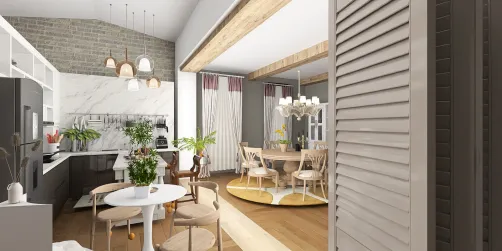
In this article, I’ll present five actionable kitchen ideas tailored specifically for lake houses—drawing from my practical experiences and expert insights—that you can easily implement in your own home. Additionally, I’ll discuss the advantages and disadvantages of each option, provide realistic budget considerations, and share visual design tools such as an example of an L-shaped layout that optimizes counter space in compact galley kitchens.
1. Streamlined, Weather-Resistant Cabinets
My Insights
In a renovation of a 600-square-foot lake cottage, we replaced elaborately designed cabinets with sleek, weather-resistant flat-paneled models. This transformation resulted in a kitchen that felt contemporary and easier to manage within the humid lakeside setting.
Advantages
Cabinet systems made for coastal or lakeside environments require less maintenance and resist warping—this enhances long-term upkeep and aligns with prevalent kitchen ideas for smaller lake homes. Matte finishes that are easy to clean conceal scratches and maintain a tranquil aesthetic, supporting today’s minimalist trends.
Disadvantages
Simplistic cabinet styles might initially feel somewhat impersonal, particularly in a vintage cottage setting. I often counter this with open shelving or warm hardware—small additions that restore character without compromising functionality.
Advice / Budget Considerations
Explore MDF with marine-grade paint for a mid-tier budget, or thermofoil for a tighter budget; high-end options like birch or teak with water-resistant finishes are perfect if you prioritize longevity. Costs can vary widely, expected to range from $6,000 to $18,000 depending on the cabinet size and finish choices, with additional funds set aside for humidity-control hardware.
save pin
2. Glass Backsplashes and Reflective Surfaces
My Insights
During one project overlooking a slender inlet, we installed an uninterrupted glass backsplash that visually expanded the lake view. This design made the petite kitchen appear airier while providing a functional, wash-friendly surface.
Advantages
Glass or high-shine backsplashes enhance the perception of space and are easy to maintain—ideal for lake house kitchen ideas that prioritize effortless finishes. They also bounce light around, which allows a little kitchen to feel more expansive on gloomy mornings.
Disadvantages
Glass is prone to displaying water stains and fingerprints, and harsh cleaners may damage the finishes. For those obsessively tidy (as I tend to be), be prepared for some upkeep—or opt for textured glass to disguise marks.
Advice / Case Study
If you desire spaciousness without the daily cleaning hassle, consider choosing textured or frosted glass that masks streaks yet retains some level of reflectivity. For a more cost-effective solution, large-format porcelain with a glossy finish achieves a similar visual impact at a lower expense.
save pin
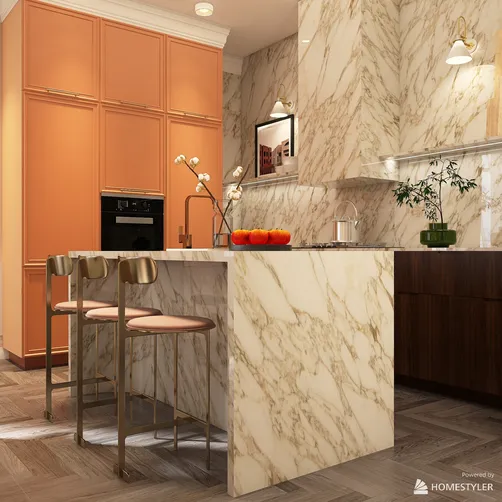
3. L-Shaped and Peninsula Designs for Better Flow
My Insights
Across various small lake house endeavors, I have consistently advocated for L-shaped kitchens or a petite peninsula to enhance visual connections to the lake. These layouts frequently liberate extra counter space and forge a natural gathering area for family and friends.
Advantages
L-shaped designs are timeless for small homes and are often recommended in discussions about lake house kitchens since they optimize circulation while expanding available surfaces. They also establish an effective work triangle between the stove, sink, and fridge, minimizing feelings of confinement during meal prep.
Disadvantages
Transforming an awkward corner into a functional area may necessitate custom cabinetry or a pull-out mechanism, which could inflate the budget. I've discovered the importance of setting aside a small portion of funds for corner drawers or lazy Susan inserts to prevent dead corners.
Advice / Budget Considerations
If you plan to adjust plumbing or electrical systems, securing permits and hiring professionals can lead to higher expenses. For minimal disruption, you might consider a peninsula that utilizes an existing plumbing wall; that often strikes a balance between function and affordability.
save pin
4. Natural Wood Accents and Soft Textiles
My Insights
I enjoy blending sleek cabinetry with rich wooden features—whether it’s reclaimed wood for shelves or a butcher-block countertop for an island. In lake houses, wood contributes an immediate feeling of coziness and connects the indoor environment with the surrounding landscape.
Advantages
Wood materials exude warmth and, when properly sealed, age beautifully, making them a favored choice for lake house kitchen designs that aim to create an inviting, lived-in atmosphere. They also introduce tactile diversity against more polished surfaces like stone or glass.
Disadvantages
Wood components near water require attention: untreated edges and end-grain could swell if not properly finished. I’ve had to re-seal cutting surfaces after several seasons—this is manageable but part of maintaining a lakeside residence.
Advice / Case Study / Budget
Utilize engineered wood or treated hardwood for durability. A butcher block island top can be a mid-range investment (anticipated costs range from $700 to $2,000 based on size and type) while a few reclaimed shelves can make a strong visual impact at a lower cost.
save pin
5. Ventilation, Waterproofing, and Practical Flooring Choices
My Insights
In a lakeside cabin renovation, poor ventilation led to paint deterioration and sticky cabinet doors by the next summer. After upgrading the range hood and introducing a dehumidifier, the kitchen's atmosphere improved and remained fresh throughout the year.
Advantages
Focusing on ventilation and waterproofing is essential for effective lake house kitchen ideas—these strategies safeguard finishes and help maintain property value. Waterproof flooring solutions such as porcelain tiles or engineered hardwood work effectively in seasonal homes while complementing coastal design themes.
Disadvantages
Adequate ventilation and underlay waterproofing can increase costs, and some high-performance options may not match the traditional appearance owners expect. I typically address this discrepancy by selecting finishes that imitate natural materials while providing modern durability.
Advice / Budget Considerations
Invest in a rated-range hood and a moisture-resistant floor; anticipate that ventilation enhancements will begin around $800 to $1,500 while quality flooring usually costs between $6 to $12 per square foot installed. These are smart investments for longevity and comfort.
save pin
Conclusion: Small Kitchens, Significant Impact
Lake house kitchen concepts need not be overly intricate to be successful—thoughtful designs, robust materials, and a few cozy details can create kitchens that feel both quaint and resilient. Smaller kitchens call for smarter designs, not compromises; prioritize two elements (like durability, illumination, or warmth) to guide your selections.
For practical layout guidance, I often consult the National Kitchen & Bath Association’s recommendations on kitchen planning when considering work triangles and clearances, as their principles are grounded in functionality and safety.
Which of these lake house kitchen concepts are you eager to implement in your home?
save pin
FAQs
Q1: What are the best materials for a lake house kitchen countertop?
A1: For lake houses, opt for low-porosity materials such as quartz or sealed granite to resist stains and moisture. Butcher block is a good choice for warmth if it’s regularly sealed and maintained.
Q2: How can I make a small lake kitchen seem larger?
A2: Utilize reflective backsplashes, light color schemes, and consider an L-shaped or peninsula layout to enhance sightlines—these lake house kitchen strategies can improve the perceived space without structural adjustments.
Q3: Are open shelves practical in a lakeside kitchen?
A3: Open shelves can introduce warmth and accessibility, but they tend to accumulate dust and moisture residues more quickly. If you choose them, reserve commonly used items for enclosed cabinetry and display decorative pieces on the shelves.
Q4: How crucial is ventilation in a lake house kitchen?
A4: Extremely important—regulating moisture helps prevent paint failure and mold in homes prone to humidity. According to the EPA, effective indoor humidity management is essential for preventing mold growth.
Q5: Which flooring options are best near water?
A5: Porcelain tiles and high-quality engineered hardwood with waterproof cores are the top recommendations; they provide durability while integrating aesthetic appeal, and are frequently utilized in lake house kitchen designs.
Q6: How much should I budget for a small lake house kitchen renovation?
A6: Expect a wide price range: a cosmetic update may be between $5,000 to $12,000, whereas a complete redesign with new systems typically begins at around $20,000. Prioritize ventilation and moisture-proofing when setting your budget.
Q7: Is it possible to combine modern cabinetry with rustic features in a lake house?
A7: Definitely—mixing minimalist cabinets with reclaimed wood shelving or exposed beams strikes a balance between modern functionality and lakeside charm, a blend I frequently implement in my designs.
Q8: How can I visualize a new layout before embarking on renovations?
A8: Utilizing a layout planner to experiment with L-shaped or peninsula configurations offers significant benefits—visual planning helps minimize surprises during construction and ensures the design aligns with your daily activities.
save pin
Homestyler is your go-to online home design platform, perfect for anyone looking to create stunning interiors. With its user-friendly design tool, impressive 3D renderings, and a wealth of DIY video tutorials, transforming your space has never been easier or more inspiring!