

Over the last ten years, I've orchestrated numerous event spaces, and I’ve discovered that prioritizing comfort, flow, and technical readiness is key to choosing the ideal venue. This guide presents essential criteria for assessing venues like Cauvery Convention Hall through the lens of acoustics, lighting, seating ergonomics, and smooth logistics, empowering you to secure a location with confidence and transition seamlessly into execution.
The Impact of Comfort and Layout on Event Success
Audience experience is not merely a subjective interpretation; it can be quantified. The WELL Building Standard (WELL v2) identifies acoustic comfort and glare control as vital elements that influence health and performance, establishing criteria such as background noise at or below 40 dBA for classrooms and strict glare mitigation practices for visual tasks—metrics that are equally beneficial in conferences and ceremonies. Research from Steelcase indicates that various seating postures and short breaks can minimize fatigue during extended sessions, emphasizing the importance of adjustable seating arrangements and movement-enabling aisles for lengthy agendas. This data forms the foundation of venue assessment: When you perfect acoustics, lighting, and seating, you boost audience engagement.
Additionally, the Illuminating Engineering Society (IES) advocates for an illumination level of 300–500 lux in assembly areas, with uniformity ratios to alleviate visual stress and assist wayfinding. I typically aim for an ambient lighting level of around 350–400 lux, supplemented by dimmable features and a warm-neutral color temperature of 2700–3500K, ensuring clarity and comfort during presentations and performances. For programs that include breakout discussions, creating bright, task-oriented areas at approximately 500 lux is beneficial. These standards form a benchmark for what you should inquire about and assess during venue tours.
For enhanced workflow efficiency, Gensler’s workplace studies emphasize the significance of clear circulation and sensible spatial zoning to reduce congestion and stress. In the context of events, this translates into clearly identifiable entry points, well-distributed amenities, and aisles broad enough to prevent bottlenecks. When surveying a venue, I apply a straightforward metric: guests should reach seating, restrooms, and refreshments within 90–120 seconds from any entrance without crossing paths with service routes.
Essential Evaluation Criteria for Cauvery Convention Hall
During your visit to the hall, make sure these vital points are on your checklist:
Effective Layout Strategies and Flow
The most effective design initiates with distinct zones: entry/check-in, photo or sponsor walls, seating areas, stage, technical control, food & beverage, and circulation areas. For medium to large gatherings, maintain a minimum center aisle of 1.5 meters and side aisles of 1.2 meters. Position seating at an angle of 5–7 degrees toward the stage for improved sightlines, while avoiding unnecessary depth. Separate guest movement from service pathways—if applicable, designate a rear corridor for staff and equipment to ensure guest-facing aisles remain clear.
If visualizing multiple seating configurations—like banquet, theater, or mixed VIP pods—rapidly is necessary, employing a room layout tool can enable you to evaluate sightlines and circulation dynamics prior to site visits:
room layout tool
Lighting That Keeps Attendees Energized
Set the ambient lighting to approximately 350–400 lux, then elevate stage lighting to 700–1000 lux to ensure visibility during keynote speeches. Maintain a color temperature between 3000–3500K for presentations to decrease visual fatigue. To mitigate glare, position projectors above sightlines, utilize matte screens, and manage bright vertical surfaces behind speakers. IES recommendations regarding uniformity help avoid "hot spots" that could obstruct facial clarity in photographs. Implement localized task lighting for registration and merchandise areas at around 500 lux.
Reliable Acoustics and AV Solutions
The clarity of speech relies heavily on sound damping and directional audio strategies. If the hall features reflective finishes, consider introducing mobile acoustic panels and carpet runners along primary aisles. Employ line-array speakers to target sound toward seating areas instead of walls. Carry out tests covering all areas of the venue—from the front to the back corners. Maintain versatility with microphone types: lavalier mics for speakers, handheld mics for audience participation, and have a wired backup prepared to counter any interference. Double-check recording feeds, redundancy, and ensure a silent cooling path for racks.
Seating Comfort and Ergonomics
Attendees often sit longer than anticipated. Drawing insights from Steelcase research on diverse seating postures, it’s advisable to incorporate breaks and movement opportunities: wider aisles, standing tables along the venue perimeter, and cushioned seating designed for lumbar support. In banquet settings, keep table diameters between 5 to 6 feet to facilitate conversation without requiring elevated vocal levels (which benefits acoustics). For classroom arrangements, gently tilt tabletops while allowing 750–800 mm of knee space.
Amenities, Back-of-House Requirements, and Scheduling
I always request a designated green room located within 60–90 seconds from stage access, secure storage for media kits, and at least two separate staging areas (for catering and AV). Restroom facilities should be strategically placed to minimize crossover with service routes. Align your show call with the venue's operational timeline: a security briefing at T–24 hours, a tech check at T–3 hours, and a quiet hour designated for pre-function spaces.
Safety, Accessibility, and Navigation
Ensure the planning of clear emergency exits and unobstructed escape routes from décor. If the audience requires, offer bilingual signage. For accessibility, keep ramp slopes at ≤ 1:12, include two wheelchair positions per seating block, and avoid obstructing front-row sightlines with stage risers. Wayfinding should be straightforward, with floor graphics for queues, high-contrast signage near decision points, and lighting that directs circulation rather than merely decorates.
Vendor Coordination and Contingency Planning
Establish timelines early: for vendor arrival, storage needs, and sound checks. Create backup AV pathways and retain power backups. Should the hall share power with other activities, reserve dedicated circuits. Maintain a rapid-response kit with gaffer tape, spare cables, batteries, and a decibel meter. Conduct a 10-minute live run-through with walk-in music and stage lighting—then observe from the back row and listen. If echo issues arise or if facial expressions are unclear, make immediate adjustments.
Authoritative References to Inform Your Venue Walkthrough
To gain deeper insights into lighting and acoustic-comfort metrics, the WELL v2 framework provides realistic performance targets applicable to event environments. IES standards offer precise luminance ranges and glare control recommendations specifically for assembly spaces—ideal for verifying dimming, uniformity, and task lighting layers during your technical walk-through.
WELL v2 | IES standards
Quick Evaluation Checklist for Cauvery Convention Hall
Frequently Asked Questions
Most mid-sized venues accommodate between 400 to 800 guests in theater arrangements and 250 to 500 for banquet setups. Always verify against actual furniture and aisle requirements.
Aim for an ambient light level of approximately 350–400 lux alongside 700–1000 lux for the stage, maintaining a color temperature of 3000–3500K while ensuring effective glare management. These levels are consistent with IES recommendations for assembly spaces.
Utilize absorptive finishes such as carpets or fabric panels, set up line-array speakers, and interrupt parallel wall layouts with soft backgrounds. Test clarity from seating at the back of the room.
Incorporate a mix of seating styles, broaden aisles, and schedule periodic breaks. Research from Steelcase backs up the value of seating variety; including standing tables encourages movement without hindering the flow.
Conduct a comprehensive assessment: microphone testing, recording feed validation, latency checks, backup routing, and projector brightness compared with ambient light. Confirm power supply distribution and cable security.
Establish a straightforward entry route, amplify a central circulation area, and ensure side aisles are at least 1.2 meters wide while separating guest and service pathways. Gensler’s findings highlight the importance of visible circulation patterns to alleviate crowding.
Maintain ramp slopes of less than 1:12, provide designated wheelchair spots within each block, guarantee unobstructed sightlines, and implement high-contrast signage. Keep paths clear of obstructions like cables and decorations.
Arrange food and beverage stations along the perimeter, away from the stage’s sightlines, provide service corridors, and organize replenishment during intermissions to prevent interruption during speeches.
Absolutely—utilize an interior layout planner to simulate seating arrangements, aisle placements, and sightlines ahead of site visits. Implementing a layout simulation tool can expedite decision-making and minimize rework.
A color temperature of 3000–3500K enhances skin tones during presentations and performances. Avoid combining different color temperatures that complicate camera white balance adjustment.


Holward 64 in. Brown Specialty Wood Sofa Console T
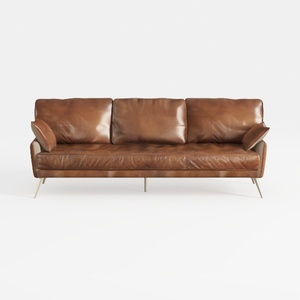
Modern Vintage Leather 3 Seater Sofa With Metal Legs 3D Model
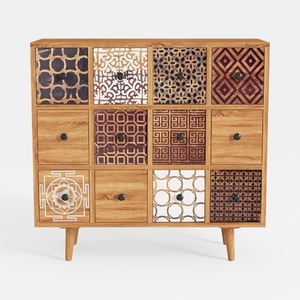
Best Choice Products 9-Cube Storage Organizer
Looking to transform your space? Homestyler offers a fantastic online design tool that makes home decorating a breeze. With stunning 3D renderings and a plethora of design projects and DIY video tutorials, you can effortlessly bring your vision to life!
Diseño ahora GRATIS
































