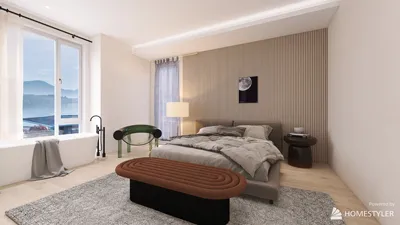


I once took on a project to design a compact dining corner for a client who required the table to serve multiple functions: a homework area, a shelf for plants, and a hiding spot for three cats — yes, you read that right, three. This rather chaotic request taught me a valuable lesson early on: that small spaces can inspire grand ideas, and maintaining clarity is always preferable to clutter. When I start envisioning a cozy dining area, I find it helpful to visualize the layout in 3D using tools like Homestyler to assess proportions before making any purchases.
1. Choose slim furniture with open legs
I prefer tables and chairs designed with slender profiles and exposed legs, as they help maintain clear sightlines and create an illusion of a larger room. The benefit here is the visual lightness, but one must be mindful of the trade-offs in terms of durability and comfort if the materials are not chosen wisely; opt for solid wood or steel frames and robust seat cushions that hold up over time.
save pin
2. One focal piece to stand out against a subtle backdrop
Select a striking table or an artistic pendant light, allowing the surrounding elements to remain understated. This approach adds character to a minimalist design without overwhelming it. Economically, it permits a selective splurge without cluttering your space with competing accents.
save pin
3. Utilize foldable and integrated solutions for adaptability
Drop-leaf tables, bench seating with storage, or a narrow built-in counter can transform snug corners into dining spots suitable for everyday use or entertaining. If your dining space is adjacent to the kitchen, planning an effective workflow from the start can prevent future issues with backsplash and movement; the slight challenge lies in ensuring that transitional items don’t appear temporary.
save pin
4. Light and reflections act as subtle furnishings
Minimalist dining rooms often rely on lighting and mirrors to create a sense of depth. A pendant light hung low above the table can set the space apart, while a slender mirror across from a window can amplify daylight. This method provides a dramatic feel without adding bulky furniture, but be cautious of glare and proportional scale — an oversized mirror can make it feel like another dining table is present.
save pin
5. A monochromatic foundation with layered textures
Using a restrained color palette (think warm whites, soft greys, or deep charcoal) fosters tranquility; texture can then be woven in with elements like a woven rug, matte ceramics, or a linen runner. I typically initiate designs with quick floor plan sketches to optimize flow; effective use of textures provides a cozy feel that can counteract the coldness of minimalism without great expense.
save pin
FAQ
Q1: What shape is best for a compact dining area?
A: Round or square tables are ideal for tight spaces as they enhance flow and avoid sharp corners. Round tables can accommodate more guests given their footprint; however, consider the room's access points and pathways.
Q2: How many seats should I expect in a 2m x 2.5m dining nook?
A: Typically, four chairs will fit comfortably in this area if you select a compact table and slim seating options; benches can provide additional seating without cluttering the visual space.
Q3: Is it necessary to have a rug under the dining table?
A: A rug helps define the space and reduces sound, but it should be adequately sized to accommodate chairs when pulled out. Low-pile rugs are preferable in dining areas for ease of maintenance.
Q4: How do I select lighting for a minimalist dining room?
A: Choose a singular focal pendulum light hung about 30–36 inches above the table for average ceiling heights; dimmable options are great for versatile uses, such as tasks versus ambiance. Ensure the scale is proportionate to the length of the table.
Q5: Is it okay to mix metals in a minimalist dining area?
A: Absolutely — combining warm and cool metals in small amounts can add depth without overwhelming the visual aesthetics. Maintain cohesion by repeating one metal in multiple places, like in light fixtures and cabinet hardware.
Q6: What clearance is required around a dining table?
A: Aim for a clearance of at least 36 inches (about 90 cm) from the edge of the table to walls or large furnishings to facilitate comfortable chair movement; this is a standard guideline provided by industry organizations such as the NKBA (nkba.org).
Q7: What are some budget-friendly ways to refresh a minimalist dining area?
A: Changing textiles (seat cushions, a table runner, or a rug) and swapping light bulbs for warmer tones can yield significant visual changes without major expenses.
Q8: Should my dining area harmonize with the living room in an open-plan design?
A: It’s beneficial to share a palette or recurring materials for cohesion; however, you can also distinguish the dining area with a unique light fixture or rug, ensuring the minimalist aesthetic remains clear.
save pin
Looking to transform your space? Homestyler is your go-to online home design platform! With its user-friendly design tool, stunning 3D renderings, and a wealth of DIY video tutorials, you can effortlessly create and visualize your dream home. Start designing today!
Diseño ahora GRATIS
































