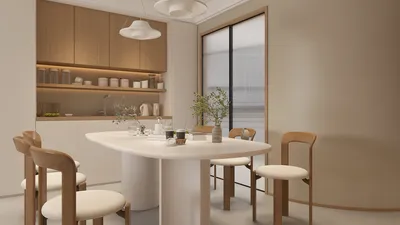


I once assisted a client who purchased a stunning 8x10 rug for a studio apartment, and we had to, figuratively, chop it into design choices to prevent it from overwhelming the space. We shared a laugh while rearranging the furniture, and I was reminded that a rug can either elevate a small room or make it seem as if it's dressed in ill-fitting attire. To avoid that oversized appearance, my first piece of advice is always to visualize your floor plan prior to selecting rug sizes, which can be easily done using tools like Homestyler.
Small spaces ignite immense creativity, as limitations encourage more thoughtful decisions. Below, I’ll provide five rug-centric ideas I've gathered from my many tiny home projects, sharing practical pros, minor trade-offs, and genuine budgeting advice that truly works.
1. Size based on the furniture, not the room
My guideline is to let the rug act as a stage for the furniture rather than dominating the entire room. In living areas, I typically aim for the rug to encompass at least the front legs of sofas and chairs; while in bedrooms, a rug that extends 18–24 inches beyond the foot of the bed feels both generous and balanced. The advantage of this approach is visual harmony; however, the slight downside may involve needing to consider unconventional sizes that could require custom options or cutting. Often, though, a slightly smaller standard size suffices if anchored correctly, and this can be effectively planned with a design tool like Homestyler.
save pin
2. Utilize runner rugs to elongate narrow spaces
Runners serve as my secret allies in hallways and narrow kitchens. When strategically placed, a runner can visually lengthen a space while also warming up cold tile flooring. They remain budget-friendly and are simple to replace; opting for a low-pile variant ensures practicality in high-traffic zones. However, note that they can shift, so it’s a good idea to invest in a sturdy rug pad.
save pin
3. Embrace simple patterns—less is more in compact areas
I prefer a singular, subtle pattern that repeats over showcasing multiple competing designs. A restrained motif introduces visual interest without introducing chaos, and a lighter background keeps the atmosphere airy. If you wish to experiment with a bolder style before making a commitment, consider layering with a temporary piece or a small accent rug, then visualize the effect in 3D with Homestyler to see if it competes with your layout.
save pin
4. Layering: small rugs over neutral bases
Layering can add texture and dimension—placing a smaller patterned rug atop a neutral sisal or low-pile base enhances warmth without enclosing the room’s feel. This tactic proves to be an inexpensive way to refresh the space seasonally. The key is to avoid creating trip hazards; I recommend thinner, non-slip pads and ensuring edges are aligned.
save pin
5. Purposeful positioning—defining zones, even in a single room
In studio apartments, I make use of rugs to carve out distinct zones: for instance, a 5x8 under a dining area and a modest square underneath a reading chair. This approach prevents the space from appearing as a continuous blur. When working in proximity to the kitchen, be conscious of transitory and wet sections—plan foot traffic around rugs to dodge slips and stains. Opt for machine washable or low-maintenance materials for those high-use areas.
save pin
FAQ
Q1: What size rug should I select for a compact living room?
I advise choosing a rug that allows the front legs of your seating to rest upon it—usually a 5x8 or 6x9 for smaller living rooms. If your seating arrangement is limited, a 4x6 can serve well as an anchor.
Q2: Can a dark rug make a small room feel more cramped?
A dark rug can indeed ground a room and contribute an element of drama; however, pairing it with lighter walls and furnishings creates a balanced visual effect, preventing the space from feeling confined.
Q3: Are patterned rugs unsuitable for tight spaces?
Not at all—patterned rugs can enhance a room’s personality. I suggest selecting a design with a calm repeat and smaller scale to prevent it from overwhelming the visual field.
Q4: How can I keep my rug from sliding in a compact apartment?
Utilize a high-quality non-slip pad tailored to the size of your rug; this not only promotes safety but also prolongs the rug's life and provides slight cushioning.
Q5: What material is most suitable for rugs in high-traffic, small areas?
Synthetic fibers such as polypropylene are durable and resistant to stains, while wool offers natural resilience and warmth; your choice should reflect the likelihood of pet or spill incidents.
Q6: Are smaller rugs washable?
Indeed—many small rugs can be machine or handwashed, making them ideal for kitchens, entryways, or apartments where spills frequently occur.
Q7: How should I select a rug color for a compact room?
Opting for neutral or light-colored backgrounds with subtly contrasting patterns typically creates an expansive feel. If bold hues appeal to you, consider using them in smaller accent rugs while keeping larger surfaces lighter.
Q8: Where can I find more information on selecting the perfect area rug?
Established home design resources are invaluable; for a thorough guide on rug sizing and placement, check out Better Homes & Gardens: https://www.bhg.com/home-improvement/flooring/rugs/how-to-choose-area-rug/.
Homestyler is your go-to online home design platform! With its user-friendly design tool, stunning 3D renderings, and a plethora of inspiring design projects and DIY video tutorials, you can effortlessly create your dream space. Bring your vision to life with ease!
Diseño ahora GRATIS
































