

I approach candles similarly to how I think about finishes and lighting layers: they're far more than just decorative elements—they create micro-environments that influence mood, pace, and overall wellbeing. An insightful finding from Steelcase indicates that ambient conditions contribute significantly to comfort and performance, while the WELL v2 Mind concept acknowledges the impact of sensory triggers on mental state; additionally, the Illuminating Engineering Society emphasizes the importance of layered lighting for visual ease. When applied at home, the warm glow and inviting aroma of a candle can soften harsh lines, signal transitions, and alleviate stress when used purposefully alongside tools like Homestyler.
Choosing fragrances should stem from informed decisions rather than randomness. According to an overview by Verywell Mind, warm colors tend to energize, while cooler shades promote tranquility; I align these insights with scent profiles: citrus scents activate spaces during the day, while earthy woods and resins bring grounding comfort, and delicate florals offer warmth. Research from Gensler highlights that user satisfaction hinges on choice and control; providing varying scent intensities through candle dimensions, wick counts, and strategic placement empowers residents to personalize their environment in the same way Homestyler allows for layout customization. It’s essential to keep the scent intensity below a level where it becomes distracting—rooms should feel fresh and layered, rather than overwhelming with perfume.
Establish Your Intention Before Lighting a Candle
Each candle should fulfill a specific atmospheric purpose: to focus, relax, entertain, or reset. I designate areas accordingly—placing brighter, invigorating aromas near high-traffic zones and entranceways; opting for herbal or subtle wood scents in reading nooks; and using resinous fragrances in dining areas or lounge spaces for the evening. When designing furniture layouts and pathways, employing a room planning tool like Homestyler can help position candles where the scent can circulate gently, avoiding drafts and creating a serene ambiance: nearby but not directly beneath vents, at the edges of coffee tables rather than in the center, and away from breezy intersections.
Fragrance Profiles That Enhance Your Home
- Citrus & Aromatic (bergamot, grapefruit, verbena, rosemary): invigorating and bright; ideal for kitchens or morning rituals.
- Green & Herbal (basil, fig leaf, vetiver): refreshing with a subtle reach, perfect for workspaces.
- Woody & Resinous (cedar, sandalwood, amber): cozy warmth that complements open living spaces in the evening.
- Floral (neroli, lavender, rose): welcoming and inviting; utilize lavender-infused mixes in bedrooms.
- Gourmand (tonka, vanilla, cardamom): warm and comforting for winter evenings and intimate gatherings; adjust intensity to prevent overwhelming sweetness.
The Mechanics of a Quality Candle: Wick, Throw, and Vessel
Quality candles feature a clean burn and an effective scent throw—the distance the fragrance travels. Opt for natural wax combinations with melting points suitable for your climate; coconut and rapeseed blends typically offer smoother burns and cleaner emissions compared to paraffin-rich options. Single-wick candles in the range of 7-9 ounces are suitable for bedrooms or personal studies; double-wick candles in 12-14 ounce vessels are ideal for larger, open-plan areas. The shape of the vessel can influence scent diffusion: wider openings promote evaporation and scent throw, while taller vessels concentrate fragrance. Maintain wick lengths to about 1/4 inch to minimize soot and ensure a warm, inviting glow between 2700-3000K that complements dimmed LEDs within the same spectrum for layered brightness.
Calibrating Light, Color, and Mood
I align the flame's hue with the color of surrounding surfaces to manage overall brightness perception. Warm-hued candles placed near high-light reflectance (LRV) walls enhance brightness; on darker surfaces like stone or walnut, they offer intimate pools of light. To avoid glare, keep flames below eye level and out of direct sight from primary seating. For task lighting set at 3000K, allow candles to provide the warmer accents, aligning with IES recommendations on layered light for comfort.
Guidelines for Candle Placement in Projects
- Entryway: place a low-throw aromatic on a console, lighting it 10-15 minutes prior to guest arrival; shield from drafts to ensure a steady first impression.
- Living Room: utilize diagonal candle placement across the seating area for balanced diffusion; avoid positioning beneath shelves to prevent heat accumulation.
- Dining Area: position candles slightly off-center or in pairs at both ends of the table to keep the dining space clear; choose woody-spice scents that complement food.
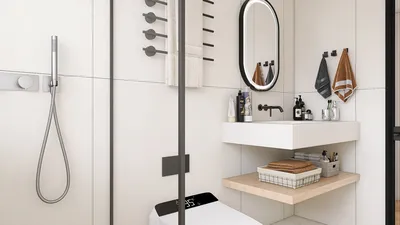
- Bathroom: keep a small single-wick candle on a stable ledge away from towels; opt for eucalyptus or mint for a spa-like experience.
- Bedroom: light a lavender-neroli blend during the relaxation phase, ensuring it is extinguished before sleep; never leave it burning overnight.
Seasonal and Circadian Scenting Strategies
In the morning, use citrus-herbal scents to stimulate alertness; for the afternoon, turn to green or tea fragrances for clarity; in the evening, woods-resin-vanilla scents help cool down the atmosphere. During the summer, rely on breezy figs and citrus to maintain a light feel in rooms; in winter, layer cedar, amber, and spices for physical warmth. Align these practices with your natural lighting schedule—dim ambient lights, bring in candlelight as a final touch, and reduce illumination before bed to preserve natural circadian rhythms.
Safety, Airflow, and Cleanliness Considerations
Burn candles on heat-resistant, flat surfaces with at least a 12-inch clearance from flammable items. Keep them away from curtains, books, and out of children's reach. Limit burning sessions to 2-3 hours to allow for full melt pools and prevent tunneling; extinguish the candle by snuffing it out, rather than blowing, to minimize smoke. Ensure light ventilation after burning—just enough to refresh the air without erasing scent memory. If sensitivity arises, balance with using diffusers or unscented candles for a purely visual warmth effect.
Design Aesthetic: Vessels, Materials, and Sustainability
Unlit vessels can serve as stylish decor elements. I favor matte ceramics and smoked glass in minimalist designs; textured glass creates a striking contrast against darker wooden surfaces. Choosing refillable vessels and locally sourced waxes can help to minimize environmental impact. Aim for a cohesive palette: one signature vessel style per room, with one accent piece to prevent visual clutter. Coordinate metal lids with other hardware for a unified aesthetic.
Creating Rituals: Focus on Consistency Over Intensity
Initiate small, consistent rituals—such as a 5-minute morning candlelight or a 20-minute evening wind-down routine for guest arrivals. Prioritize developing predictable and gentle signals that transition your space and mindset rather than overwhelming scents.
Incorporating Candles into Broader Design Plans
During comprehensive room refresh projects, I outline airflow paths, seating arrangements, and reflective surfaces prior to placing any candle. A quick layout mock-up with an interior planning tool like Homestyler aids in identifying cross-drafts and sightlines; simulate traffic flows, then position candles as decorative accents rather than hindrances. For rapid adjustments, utilize a layout simulation tool to arrange consoles, side tables, and ledges that facilitate safe, elegant candle experiences.
Common Questions
Should candles be noticeable or more of a background feature? Aim for subtlety—especially in open areas, consider using two medium vessels with complementary scents instead of one overwhelming candle.
What are ideal scents for focused work? Aromatic greens like rosemary, basil, and subtle tea notes are effective. Keep scent intensity low to moderate to maintain focus during deep work sessions.
How can one reduce soot production? Opt for clean-burning waxes and regularly trim wicks. Ventilate briefly after candle use. For those sensitive to scents, alternate with unscented candles for visual ambiance.
Can scents mix well together? Yes, as long as they belong to the same fragrance family. For instance, pair citrus with herbal notes, wood with resin, and floral with light musk. Avoid combining gourmand scents with sharp citrus in confined spaces.
Where should candles be placed for optimal effect? Place them near airflow, but not in direct drafts— like on console edges, coffee table corners, or credenzas. Ensure they are positioned below eye level and away from overhangs.
What are the right candle sizes for various spaces? For small rooms, opt for a single-wick candle between 7–9 oz. For a medium living room, a double-wick candle in the 12–14 oz range is ideal. For expansive areas, use two to three smaller candles placed at intervals for even scent distribution.
How should one adjust lighting around candle use? Dim overhead lights to between 10-30%, keeping lamps within the 2700-3000K range, allowing candlelight to provide the warmest touch. Avoid strong reflections using matte trays.
Which scents are appropriate for dining experiences? Soft woods, tea, or light herbal blends work well. Avoid strong floral or heavy gourmand fragrances at the dining table.
How should candles be extinguished? Use a snuffer or dip the wick into the melt pool with a tool, then straighten it. Blowing out candles often leads to smoke and soot generation.
When is the optimal time to achieve a full melt pool on first burn? Ensure the melt pool reaches the edges of the container (typically 2–3 hours). Subsequent burns can be shorter in duration.
Can calming scents help during the wind-down process? Absolutely—soothing scents like lavender can facilitate relaxation, but ensure they are extinguished prior to sleeping. Incorporate them as part of a pre-bedtime ritual only.
What eco-friendly practices can be integrated into candle use? Opt for refillable vessels, natural wax mixtures, and support local artisans. Repurpose empty candle jars as organizational tools for bathrooms or desks.
Homestyler's roots trace back to Autodesk, the global leader in design and engineering software. That heritage lives on in every feature we build. Today, with a community of more than 18 million users worldwide, Homestyler continues to make professional-quality interior design accessible to everyone — from first-time decorators to seasoned architects.
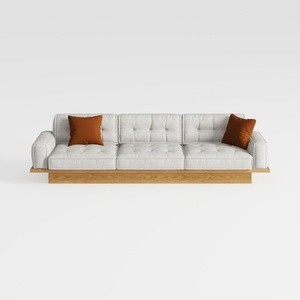
Modern Solid Wood Frame Tufted Fabric Three Seat Sofa 3D Model

Minimalist Travertine Top Solid Wood Round Coffee Table 3D Model
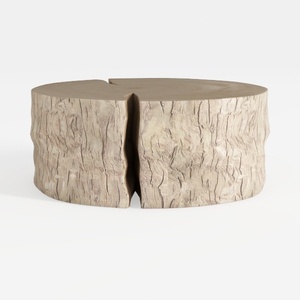
Rustic Solid Wood Split Log Coffee Table 3D Model
Looking to transform your space? Homestyler is the ultimate online home design platform! With its user-friendly design tool, stunning 3D renderings, diverse design projects, and helpful DIY video tutorials, you can effortlessly bring your home vision to life. Perfect for designers of all levels!
Diseño ahora GRATIS
































