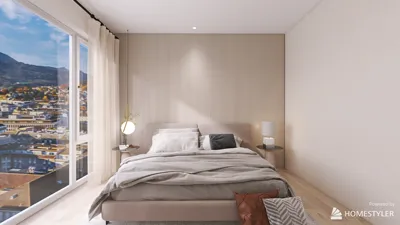


Small houses can achieve impressive curb appeal by choosing the right exterior color palette. I focus on selecting color families, considering light reflectance, and employing materials that visually expand perceived size, manage glare, and highlight architectural rhythm. Research shows that color has a significant effect on perceived value and warmth in residential properties; studies indicate that colors influence mood and cognitive performance through a careful balance of contrast and saturation, which I observe when adjusting brightness and undertones on compact facades to enhance their spaciousness without overwhelming the streetscape.
When selecting colors, it's crucial to take measurable performance into account. The WELL Building Standard emphasizes glare control and balanced luminance as vital components of visual comfort, which is particularly relevant for glossy exterior paints and high-reflectance whites under bright sunlight. Bright whites with a high Light Reflectance Value (LRV) of 80 to 90 can effectively bounce daylight, but an overly shiny finish might result in hotspots; therefore, I prefer soft-matte, warm whites with an LRV around 70 to 80, as they create an illusion of greater volume while ensuring comfort. In terms of color psychology, Verywell Mind highlights that blues and greens promote calmness and stability, making them ideal choices for smaller homes that aim for a grounded appearance rather than overwhelming visual noise.
Color Strategy: Scale, Proportion, and Visual Harmony
On more compact facades, the strategic use of color blocks can alter perceived size. I divide the facade into three distinct horizontal bands: the base, the body, and the crown (roofline/soffit). A deeper base color, such as charcoal or earthy olive, serves to ground the home; mid-tone body colors lighten the visual mass; and a slightly brighter crown helps elevate the roofline. This tri-tone strategy effectively enhances vertical perception, making the structure appear taller. While planning trims and fascias, it’s essential to maintain a 20 to 30 percent contrast against the body color to define edges and create clear shadow lines without appearing harsh.
Ideal Light Neutrals for Visual Expansion
My preferred choices for small homes include warm off-whites and light greiges. Ideally, aim for an LRV of 65 to 80 with a hint of warmth (yellow or red undertones) to avoid a sterile appearance. Light neutrals tend to visually push surfaces outward, minimizing clutter while harmonizing beautifully with muted accents, such as copper gutters, cedar or thermally modified wood, and satin black fixtures. Maintaining low to medium gloss levels ensures ease of cleaning and reduces glare, aligning with WELL's focus on visual comfort.
Nature-Inspired Mid-Tones
Colors like sage green, smoke blue, and clay taupe offer depth without diminishing the facade's appearance. These shades easily complement native flora and local stone types. For environments near the coast or in wooded areas, a slate blue body accented with natural wood creates a tranquil profile against the backdrop. Ensure that trim colors are one shade lighter to outline the windows and doors, enhancing curb appeal.
High-Contrast Accents: Doors, Shutters, and Metalwork
Compact homes often benefit from a singular accent choice, such as the front door. Opt for a saturated color like deep teal, terra cotta, or merlot for a standout feature. The remaining elements should remain understated: shutters in a near-black (not pure black) or deep bronze, and hardware in weathered brass or matte graphite. This method of controlled contrast draws the eye, enhances perceived detail quality, and prevents a cluttered appearance that can hinder visual clarity on smaller elevations.
Roof and Trim Coordination
The color of the roof sets the foundation for the overall color palette. Dark roofs, such as charcoal or espresso, typically pair best with warm body colors (greige, putty, muted olive); conversely, light roofs (such as silver-gray metal or light shingles) favor cooler body colors (pale blue-gray, soft pewter). The trim should be a brightness level between that of the roof and the body to frame edges without appearing detached. Fascia and soffits should be just a shade lighter to elevate the crown line visually, contributing to the house's perceived height.
Material and Sheen: Managing Glare, Texture, and Durability
Texture can serve as an excellent companion to color. Vertical wood cladding finished in a light tone elongates the structure's height, while shingle or brick patterns in mid-tones add dimension without heaviness. By pairing a satin exterior paint for the main body with matte stains for timber elements, glare can be effectively controlled, aligning with WELL’s guideline focusing on visual comfort and balanced luminance. Metal components (such as railings and gutters) perform best in low-gloss dark bronze or graphite, as they crisply outline planes and conceal minor surface flaws.
Regional Context and Light Environment
Considerations regarding latitude and daylight intensity significantly impact color choices. In areas with intense sunlight, off-whites may cause glare, warranting a shift to paler shades like sand, mushroom, or light sage. In overcast regions, slightly more vibrant hues can prevent the home from blending into the surroundings—storm blue or smoky plum provides presence against dull skies. For sites facing west, it's advisable to lower the gloss on the facade to mitigate reflections and color washout during evening sunlight.
Landscape as a Color Partner
The surrounding landscape should complement the home rather than compete with it. Darker body colors benefit from silver-green foliage (like olive or lavender), while lighter tones look great alongside deep greens and seasonal flowers. Stone borders and gravel pathways can reflect the trim colors, fostering a subtle visual loop that unifies the entire composition and enhances its overall perceived scale.
Layout and Facade Composition
When adjusting window arrangements or porch features, I sketch massing and sightlines to determine optimal color placement at logical detail points—like mullions, columns, and water tables. If you're experimenting with different schemes, consider using a room design visualization tool, such as Homestyler, to simulate body-to-trim ratios and accent positioning; it helps identify any potential over-contrasts before they are finalized in paint.
room design visualization tool
2024–2025 Trends for Small Homes
Muted earthy tones and a warm minimalist aesthetic are becoming increasingly popular—think light sand bodies, tobacco-colored trim, and copper accents. Coastal-modern designs featuring pale pewter alongside driftwood and graphite continue to thrive. Sustainable finishes, including low-VOC paints, thermally modified wood, and recycled metal fittings, align with eco-friendly design principles while enhancing long-term value.
Practical Palette Recommendations
- Warm white body (LRV ~75), soft beige trim, charcoal door; ideal for compact lots.
- Light greige body (LRV ~70), bronze metal details, cedar accents; suitable for new constructions and cottages.
- Slate blue body, off-white trim, copper gutters; perfect for coastal or wooded environments.
- Sage body, putty trim, matte black door; effective in desert and mountainous areas.
Final Detailing Tips
Test large paint swatches in both morning and late afternoon light to observe the variation in undertones. Maintain a simple palette: select one body color, one trim color, and one accent color. Allow texture to contribute significantly to the overall effect—consider options like board-and-batten, shiplap, or brick courses to create light and shadow dynamics, permitting colors to remain subtle. I prioritize visual harmony over fleeting trends; small homes require cohesion more than spectacle.
References
For additional insights on visual comfort and color psychology, refer to the WELL v2 guidelines (wellcertified.com) and the color psychology resources from Verywell Mind (verywellmind.com/color-psychology). These references align with the luminance and mood strategies that I incorporate into compact home exteriors.
FAQ
Q1: What LRV range can help a small house appear larger?
A: Target an LRV between 65 and 80 for the main body. This range effectively reflects ample daylight, lightening visual mass without leading to glare when matched with satin finishes.
Q2: Is it advisable to use pure white on outdoor surfaces?
A: Pure, cool whites tend to glare under intense sunlight. Warm off-whites with a low sheen maintain brightness while ensuring the visual comfort highlighted by WELL v2.
Q3: How should I choose a front door color that stands out without being overpowering?
A: Opt for a single saturated accent (like deep teal, terra cotta, or merlot) while keeping the other elements minimal. This contrast attracts attention without cluttering the facade.
Q4: Do darker exterior colors make a small house appear smaller?
A: Darker body colors can visually compress the structure, but combining them with lighter trims and a brighter crown can restore balance. Employing darker shades at the base also helps anchor the home.
Q5: What sheen is preferred for the exteriors of smaller homes?
A: Utilize satin finishes on the body with matte options for wood accents. This combination minimizes glare and maintains texture, supporting visual comfort principles.
Q6: How do regional climates influence color decisions?
A: In regions with high sunshine, warmer and lower-LRV neutrals are best to reduce glare, while overcast climates benefit from slightly more saturated colors to maintain visibility.
Q7: Can the presence of metal roofs limit my color options?
A: Not necessarily. Light metal roofs pair well with cooler body tones (like pale gray-blue), while dark roofs work with warmer body colors (like greige or olive). Coordinate the trim to bridge these two elements.
Q8: Is black trim too harsh for a small house?
A: While pure black can appear flat, near-black options (such as graphite or deep bronze) provide crisp edge details while retaining depth and character.
Q9: How do landscaping colors interact with the facade?
A: Utilize plant colors to enhance the body tones; for instance, pair silver-green foliage with dark bodies, deep greens with lighter ones, and echo the trim colors in stone borders.
Q10: What’s a reliable three-color formula to follow?
A: Choose a body color (light-neutral), trim (slightly lighter or darker), and a single accent for doors or shutters. Ensure that metal elements harmonize with the trim to maintain visual cohesion.

Zoe Ash Medium Record Storage Console
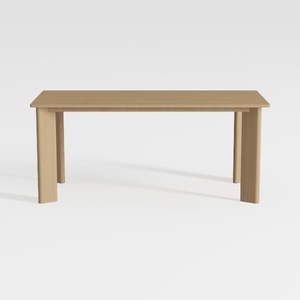

HON Coze Home Office Desks, Sturdy Table Computer
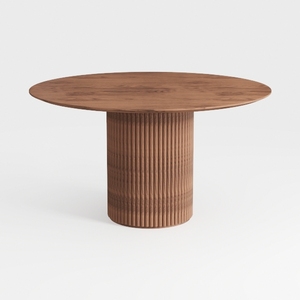
43.3''-59'' Extendable Round Dining Table for 4, M
Homestyler is your go-to online home design platform! With its user-friendly design tool, stunning 3D renderings, and extensive DIY video tutorials, you can easily transform your ideas into reality. Explore countless design projects and elevate your home effortlessly—perfect for both beginners and seasoned designers!
Diseño ahora GRATIS
































